 Odita Sunday




CCAN Chairman urges security agencies to invest in journalists ahead of 2027 elections
By Odita Sunday
The Chairman of the Crime Correspondents Association of Nigeria (CCAN), Festus Ejiroghene Fifen, has called on security agencies and government institutions to prioritise journalists’ welfare, specialised training and safety equipment as part of efforts to combat fake news and strengthen national security ahead of the 2027 general elections.
Fifen said journalists covering crime and security operations remained critical partners in safeguarding public safety and democratic stability, warning that inadequate welfare, poor working conditions and insufficient professional training could undermine their effectiveness.
He made the call on Wednesday in Abuja while delivering his opening and welcoming address at the 3rd CCAN Annual Conference and Awards, themed, *”Navigating Security Challenges in the 2027 Election: The Role of the Media in Combating Fake News.”*
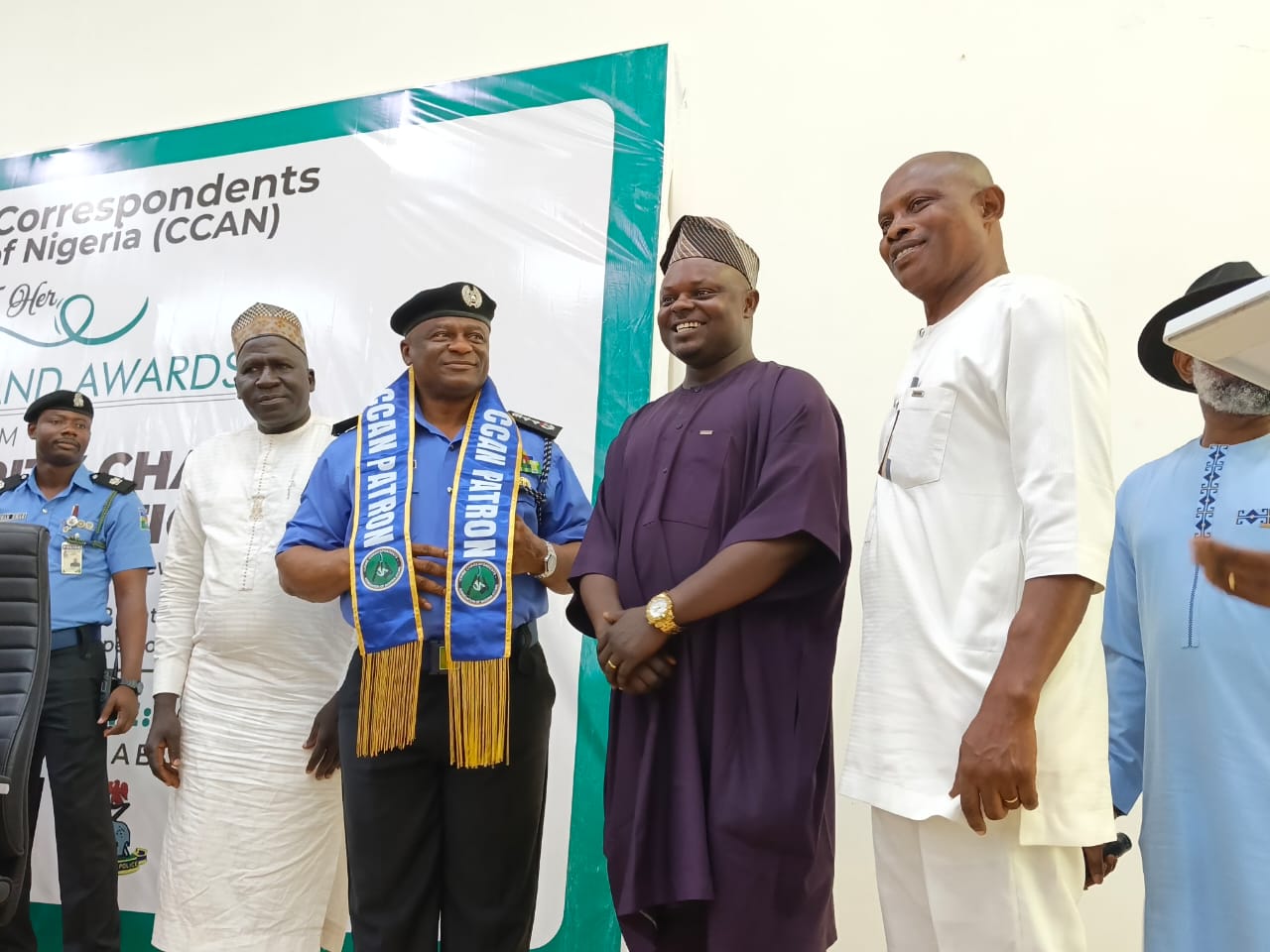
The conference brought together the Inspector-General of Police, heads of military, paramilitary and security agencies, media executives, civil society leaders, journalists and other stakeholders to examine emerging security challenges ahead of the 2027 elections.
Fifen described the conference as an urgent national intervention, noting that the period preceding general elections was often characterised by heightened political tension, complex security challenges and the spread of misinformation and disinformation capable of triggering violence.
He warned that fake news, manipulated media and unverified information had become as dangerous as physical attacks, with the potential to ignite communal clashes, disrupt security operations and erode public confidence in electoral institutions.
“Today, fake news, manipulated media, and unverified rumours are as dangerous as physical attacks. They can ignite communal clashes, disrupt security operations, and erode public trust in electoral institutions,” he said.
According to him, Nigeria must strengthen its defences against digital warfare, align security strategies and deepen collaboration between law enforcement agencies and the media before the 2027 elections.
Highlighting the responsibilities of crime correspondents, Fifen described journalists covering security and criminal activities as a critical line of defence in public safety and national awareness.
He said crime reporters routinely worked in high-risk environments, covered military and police operations and provided citizens with essential information on security developments.
He noted that accurate and responsible reporting also helped hold security institutions accountable to operational standards and human rights obligations, while translating complex security operations into public understanding.
However, the CCAN chairman lamented that journalists frequently risked their lives without adequate welfare packages, protective equipment, specialised training and life insurance.
He criticised the practice of spending huge sums on elaborate buffets, decorations and souvenirs at security events while neglecting the welfare and professional development of journalists expected to publicise such engagements.
“Journalism cannot feed on souvenirs, and capacity cannot be built on a plate of rice and periodic handouts,” Fifen declared.
He argued that resources allocated to security communication engagements should instead support specialised training in fact-checking, digital forensics and crisis reporting, as well as the provision of safety kits, protective equipment and logistics for reporters covering conflict zones.
Fifen also called for modern press centres equipped with reliable internet connectivity and real-time verification tools at major security commands, similar to facilities available in developed countries.
According to him, investing in journalists’ welfare and professional development would deliver greater benefits to national security than expenditure on event branding and catering.
To address information-related security threats ahead of the elections, Fifen proposed institutionalised conflict-sensitive journalism and stronger collaboration between security agencies and crime correspondents.
He urged journalists to exercise restraint and avoid sensational headlines capable of inflaming ethnic, religious or political tensions before, during and after the elections.
He also called on security agencies to involve crime correspondents in scenario-building exercises and pre-election security simulations to ensure that communication strategies were properly aligned.
The CCAN chairman emphasised that responsible journalism and strategic communication were essential to preventing misinformation from undermining public confidence and national stability.
Fifen expressed appreciation to the Inspector-General of Police, IGP Olatunji Rilwan Disu, psc(+), NPM, whom he described as a key partner in promoting national peace and security.
He commended the police chief’s leadership, efforts to combat crime across the country and continued support for the association.
He also acknowledged the Nigeria Police Force for maintaining an open-door relationship with the media and recognising journalists as indispensable partners in national security.
The CCAN chairman further appreciated media executives, editors, veteran journalists, sponsors, partners and members of the organising committee for their contributions to the success of the conference.
Congratulating the award recipients, he said their contributions to national security and impactful journalism deserved recognition.
Fifen urged journalists to uphold professional ethics, reject sensationalism and political inducements, and verify information before publication as the country approaches another electoral cycle.
“Truth is our greatest weapon, and integrity our ultimate shield,” he told fellow journalists.
He also urged government and security institutions to regard the media as strategic partners in defending the country rather than adversaries to be managed.
“Do not treat the media as adversaries to be managed, but as strategic partners in defence of the Republic. Value the welfare of the reporter above the fanfare of the event,” he said.
He reaffirmed CCAN’s commitment to promoting responsible crime reporting, strengthening media-security relations and contributing to a secure, informed and resilient Nigeria.
About the Author