 Odita Sunday



CDS Oluyede Raises Alarm Over AI Fake Videos, Warns of Threat to National Security

By Odita Sunday
The Chief of Defence Staff, General OO Oluyede, has warned that fake videos, manipulated images and cloned voices generated through artificial intelligence are emerging as serious threats to Nigeria’s national security, capable of misleading the public, putting troops at risk and weakening confidence in the military.
He has therefore urged defence journalists to strengthen fact-checking, verify sensitive military information before publication and help expose fabricated content being circulated in the name of the Armed Forces of Nigeria.
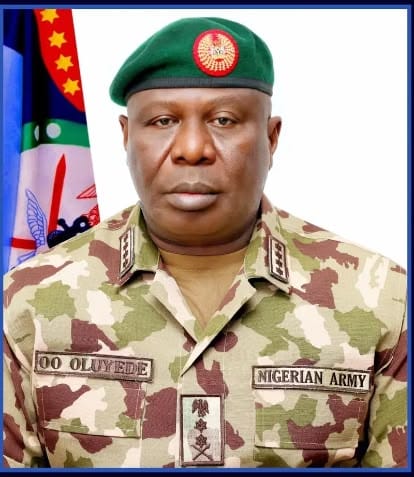
Oluyede made the call in a goodwill message to the Defence Correspondents Association of Nigeria (DECAN) conference 2026, themed “Beyond Kinetic Warfare: Harnessing Technology and Intelligence-Led Operations for Nigeria’s National Security.”
The CDS said the changing nature of warfare required the military to look beyond conventional weapons and firepower, stressing that intelligence, technology and control of the information space had become increasingly important in modern security operations.
“Today, battles are no longer won by firepower alone. They are won by superior information, real-time intelligence, technological dominance, cyber resilience, and the ability to control the narrative space,” he said.
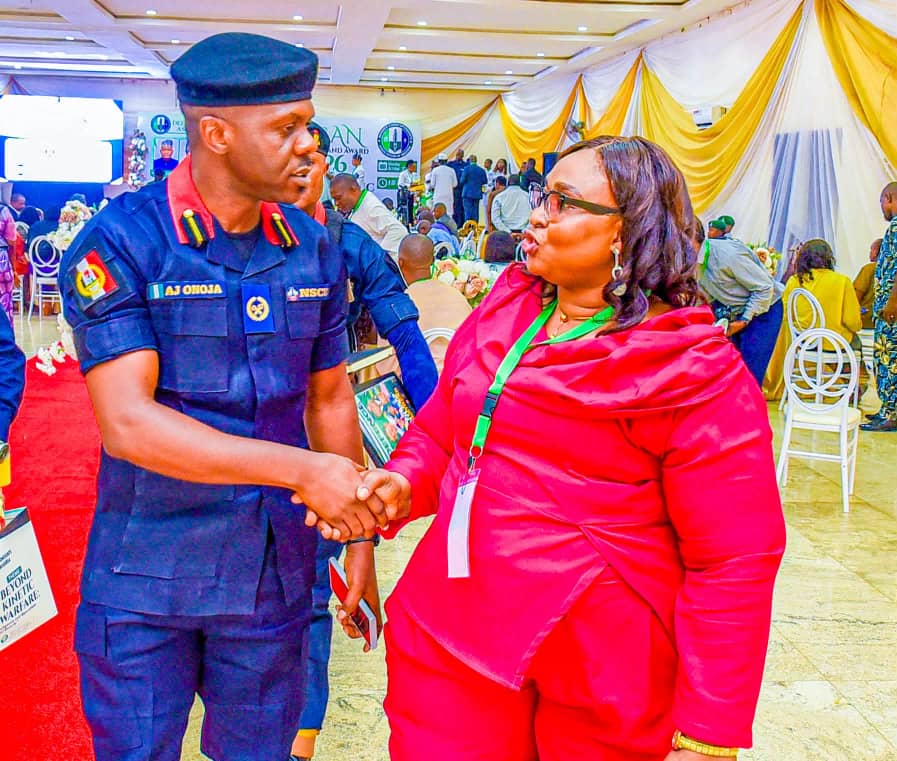
He explained that the Armed Forces of Nigeria was investing in modern technologies to improve surveillance, intelligence gathering and operational decision-making.
According to him, these efforts include space-based surveillance, geospatial intelligence, artificial intelligence-enabled decision support and improved intelligence sharing among military formations.

He also highlighted initiatives at the Defence Space Administration, the expansion of modular earth observation outposts into operational theatres and the establishment of the Defence Space School to develop specialised skills among military personnel.
Oluyede said the ongoing integration of artificial intelligence and advanced surveillance systems was part of the military’s efforts to build a force capable of responding effectively to evolving security threats.
However, he warned that the same technology could be exploited by individuals and groups seeking to spread false information, create panic and undermine military operations.
He expressed particular concern about AI-generated videos, manipulated photographs, cloned voices and false claims about military activities, noting that such content could be deliberately used to discredit troops and damage public confidence in the Armed Forces.
The CDS described deepfakes as more than ordinary misinformation, warning that they could be deployed as tools of psychological warfare against the military and the country.
“In today’s information age, security operations are fought not only on the battlefield but also in the information domain. A single AI-generated video can undo months of operational gains, endanger troops, and cause panic in communities,” he said.
He stressed that the fight against such threats required the combined efforts of the military, the media and the public.
Oluyede identified defence correspondents as important partners in protecting the public from false information, given their role in reporting military activities and shaping public understanding of security operations.
He urged members of DECAN to make accuracy a priority, particularly when reporting sensitive operational developments that could affect ongoing missions or the safety of personnel.
The CDS advised journalists to seek clarification from Defence Headquarters before publishing sensitive military information, warning against allowing the pressure to break news first to undermine professional standards.
“Speed must never be at the expense of accuracy,” he said.
He also called on defence journalists to use their platforms to educate Nigerians on how to recognise AI-generated content and expose fake videos falsely attributed to the Armed Forces.
Beyond fact-checking, Oluyede encouraged journalists to focus on informed, intelligence-led reporting rather than sensational headlines.
He said responsible reporting could strengthen cooperation among security agencies, improve relations between the military and civilians, and help counter propaganda spread by extremist groups.
Reaffirming the Armed Forces’ commitment to defending Nigeria’s sovereignty and democracy, the CDS said the military could not tackle the country’s security challenges alone.
He emphasised that public trust, cooperation between the military and citizens, and responsible journalism remained essential to national security.
Oluyede, on behalf of the Armed Forces of Nigeria, commended DECAN for its contributions to defence reporting and its commitment to professionalism, patriotism and partnership with the military.
He also assured the association that Defence Headquarters would continue to support its work through an open-door policy aimed at promoting timely and accurate information sharing.
The CDS expressed hope that the conference would produce practical ideas to help Nigeria respond to emerging security challenges, particularly those arising from advances in technology and the growing threat of digital disinformation.
He wished the association a successful and impactful conference.
About the Author