 Odita Sunday




Defence Minister Wants Modern Tollgates To Help Track Criminals On Highways
By Odita Sunday
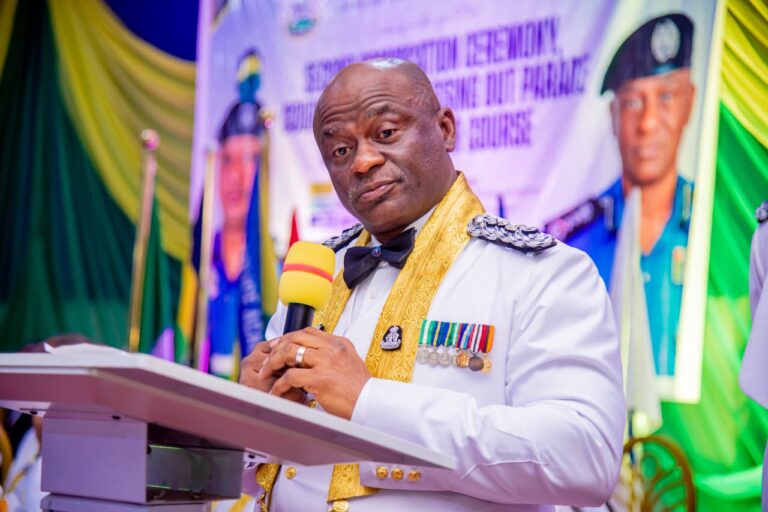
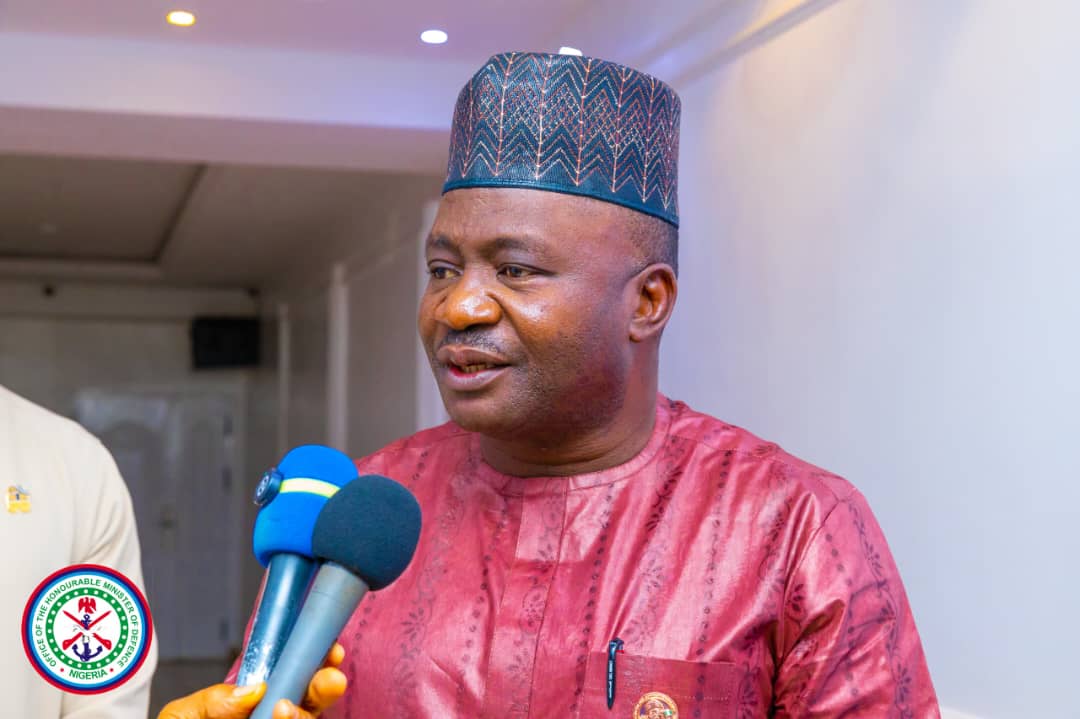
The Defence Minister, General Christopher Gwabin Musa (Rtd), OFR, has called for the return of tollgates on major highways, saying modern technology could turn them into important security points for tracking criminals and monitoring movements across the country.
Musa said the old tollgate system should be replaced with automated facilities capable of capturing vehicle registration details and tracking movements without the cash transactions that previously created room for abuse.
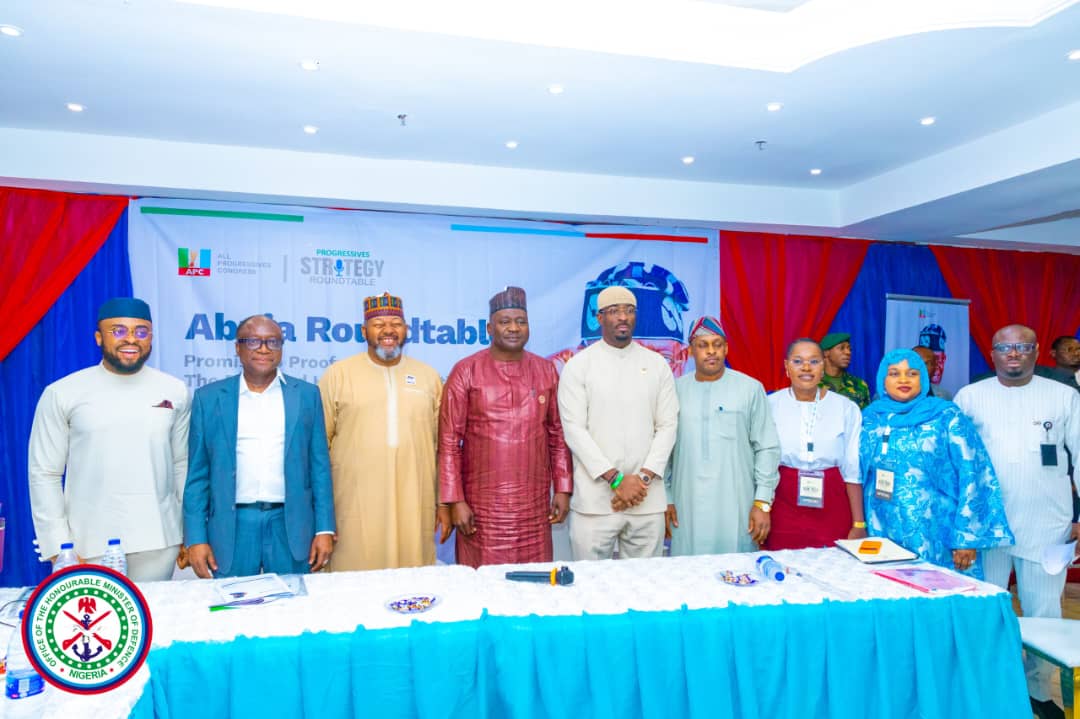
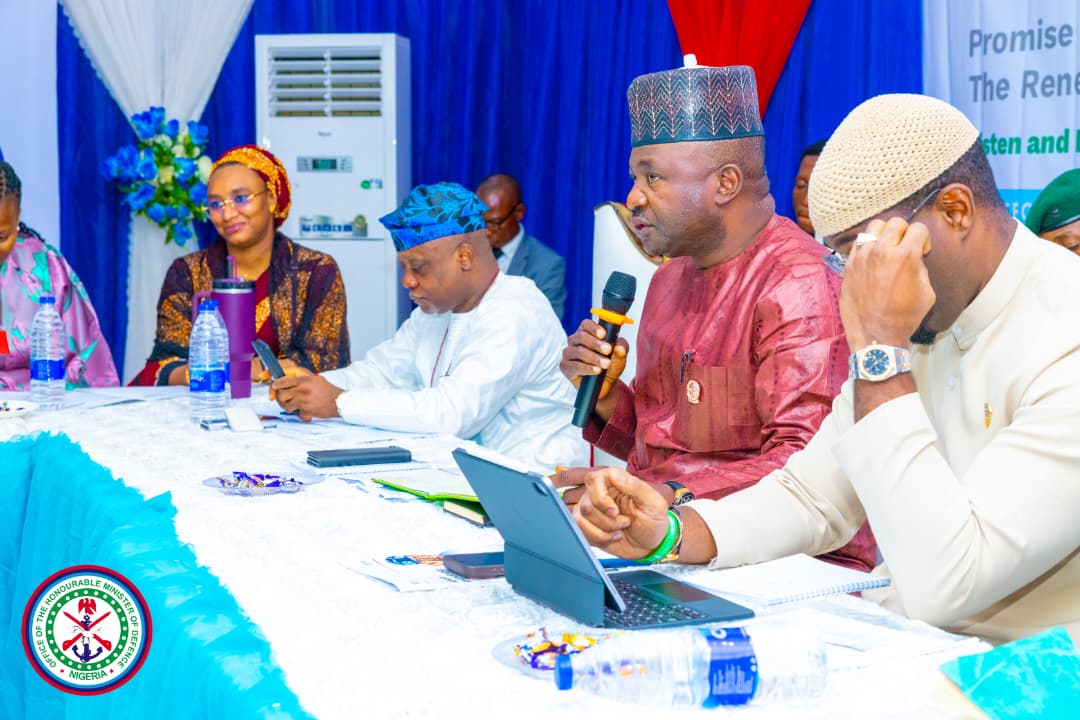
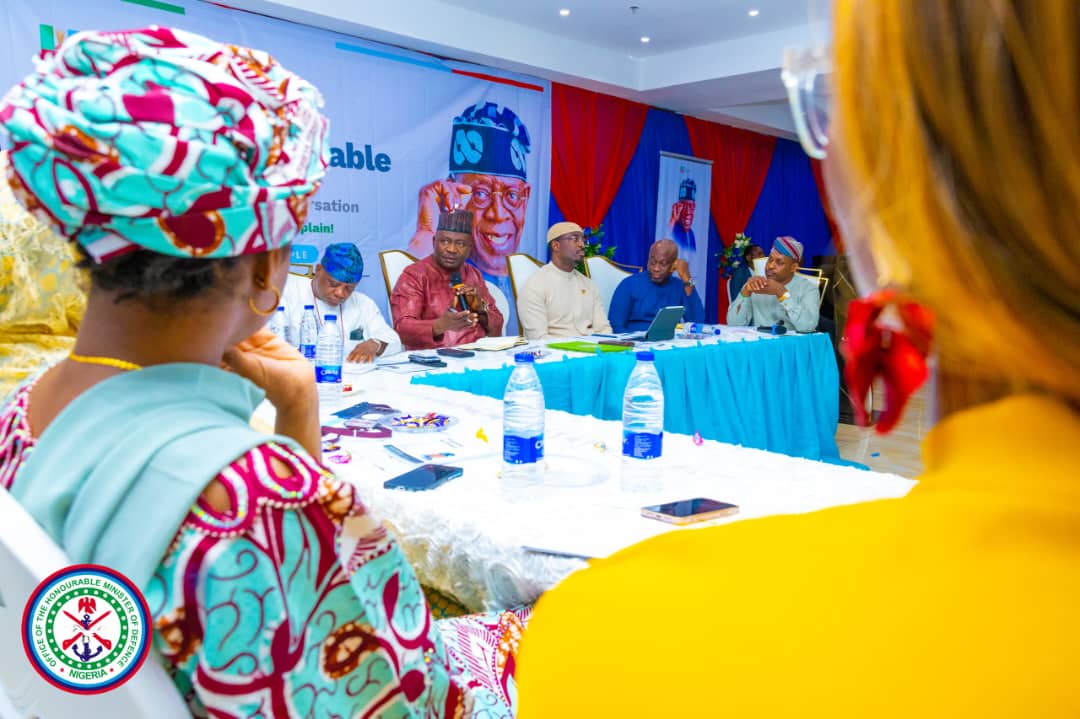
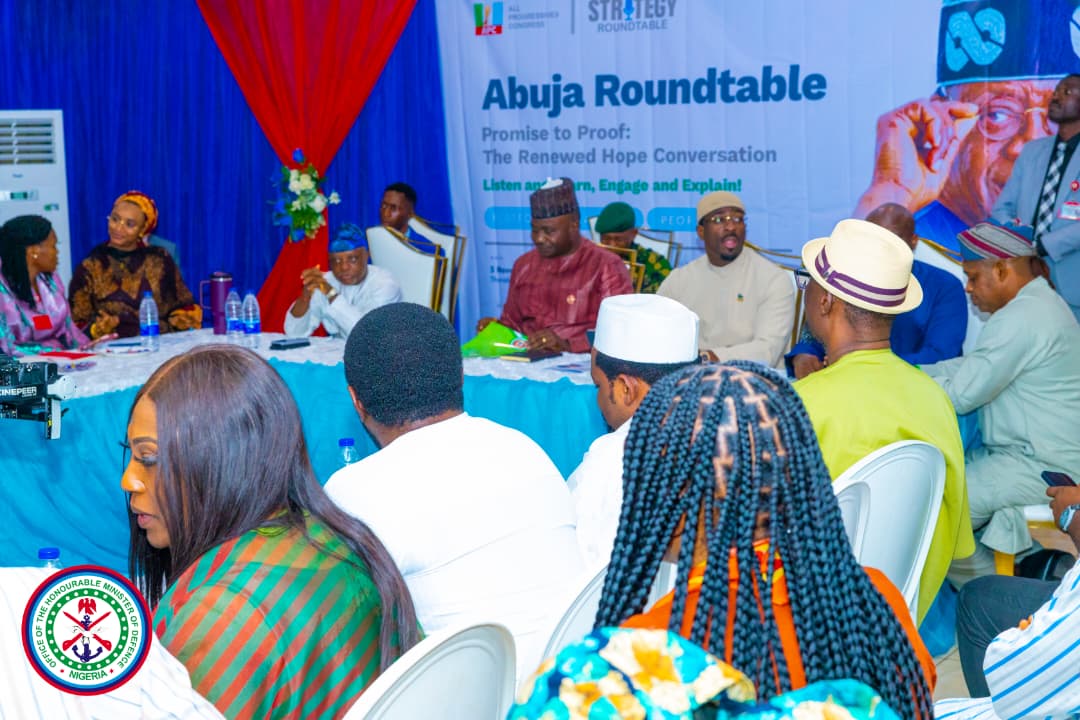
He made the call during a panel session at the Abuja Round Table, tagged “Promise to Proof: The Renewed Hope Conversation,” where he spoke on “Safe to Farm, Travel and Trade: Protecting Lives and Livelihoods in Every Community.”
The Minister described the removal and destruction of tollgates as a strategic mistake, arguing that properly equipped facilities could help security agencies identify suspicious movements and trace suspects travelling between states.
“With modern Information and Communications Technology (ICT) and automation, toll collection no longer requires cash transactions,” General Musa stated.
He explained that automated systems could capture vehicle registration numbers and provide information that would help security agencies track movements along major interstate routes.
Musa in a statement signed by Leah Katung-Babatunde, Special Assistant (Media) to the Honourable Minister of Defence, also called for a more reliable national identification system, saying the integration of unique identification numbers, facial recognition and biometric data would make it harder for individuals to conceal their identities or exploit gaps in the country’s security system.
He said a centralised digital identification database would help security agencies verify identities and access useful intelligence more quickly.
On the military’s continued involvement in internal security operations, the Defence Minister said the Armed Forces of Nigeria were primarily responsible for defending the country’s territorial integrity but could support the police when security threats became too difficult for them to handle.

He, however, expressed concern about the toll prolonged deployments were taking on military personnel, many of whom have spent years away from their families while serving in different parts of the country, particularly the Northwest.
“Our troops have spent years deployed across regions such as the Northwest, away from their families and loved ones,” he said.

The Minister said the government was working to improve police recruitment, training and operational capacity so that the force could gradually take on greater responsibility for internal security.
He explained that strengthening the police would allow the military to withdraw gradually from prolonged internal deployments, return to their barracks and concentrate on their core duties.
Looking beyond security operations, Musa identified national disunity as one of Nigeria’s major challenges, arguing that the country’s problems were not simply a question of insufficient resources or firepower.
He urged Nigerians to look beyond ethnic, religious and regional differences, stressing that lasting peace would require citizens to see one another first as fellow human beings and members of the same country.
“We must begin to view one another simply as human beings and fellow citizens, rather than dividing ourselves along ethnic, regional, or religious lines,” he said.
Musa reaffirmed the Federal Government’s commitment under the Renewed Hope Agenda to making communities safer for Nigerians to farm, travel and conduct business.
About the Author