
 Odita Sunday

By Odita Sunday
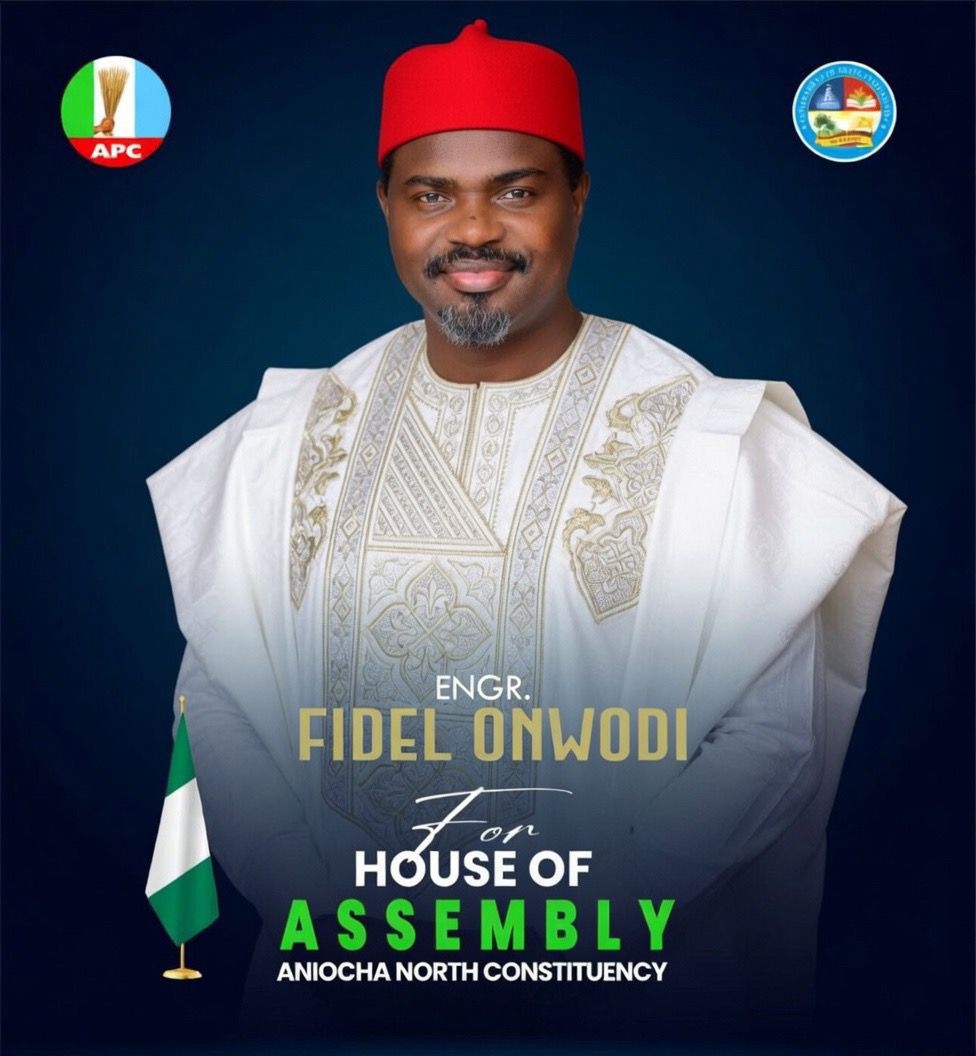
The political atmosphere in Aniocha North Local Government Area of Delta State is gathering momentum ahead of the Delta State House of Assembly (DTHA) elections, as Engr. Fidel Onwodi continues to attract widespread endorsements from influential stakeholders and grassroots leaders.
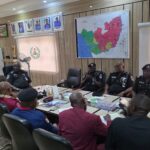
In what observers describe as a strategic consolidation of political forces, prominent community leader, Nkem Okwuofu, has formally declared her support for Onwodi following a high-level consultation meeting that brought together key actors across the local political landscape.
The meeting, which sources described as both consultative and symbolic, was aimed at strengthening internal cohesion, fostering alignment among stakeholders, and building consensus around a candidate perceived to have both grassroots appeal and technocratic competence.
Beyond Okwuofu’s endorsement, the meeting also witnessed the alignment of other influential figures, including Uzoma Idabor and Chiedu Nwaghodo, both of whom are regarded as significant players within the political structure of the constituency. Their support is widely seen as reinforcing Onwodi’s growing political base and enhancing his acceptability among party faithful.
The consultation drew a broad spectrum of stakeholders, underscoring the depth of interest in the emerging political realignments. Among those in attendance were the Executive Chairman of Aniocha North LGA, Emma Bazim Chinye; the Vice Chairman, Clara Nneka Dibie; respected legal practitioner, Ada Kachikwu; and political figure, Jaunty Okwudi.
Also present at the meeting was the Commissioner for Science and Technology, Daniel Odi Odigie, alongside the Chief Job and Wealth Creation Officer of Delta State, Ifeanyi Egwunyenga, further highlighting the calibre of political heavyweights aligning with the Onwodi project.
Other attendees included Ndubuisi Osemene, former council chairmen, councillors, the Leader of the Aniocha North Legislative Arm, Hon. Chief Raphael Uzor, ward executives, party leaders, and a wide array of grassroots mobilisers and supporters.
Stakeholders who spoke at the meeting reportedly expressed strong confidence in Onwodi’s leadership capacity, describing him as a candidate with the requisite vision, competence, and commitment to effectively represent the constituency at the state legislature.
According to insiders, discussions at the meeting focused not only on political strategy but also on the developmental priorities of the constituency, with emphasis on youth empowerment, infrastructure development, and inclusive governance.
Political analysts note that the convergence of both elite stakeholders and grassroots actors around a single aspirant could prove decisive in shaping the outcome of the DTHA race. They argue that early endorsements of this magnitude often signal a broader coalition-building effort aimed at minimising internal divisions and presenting a united front ahead of party primaries and the general election.
The growing support for Onwodi is also seen as reflective of a broader shift within the local political environment, where voters and stakeholders are increasingly prioritising candidates with a blend of professional expertise and community engagement.
As consultations continue across wards and communities, observers say the coming weeks will be critical in determining whether the current momentum translates into a sustained political advantage.
About the Author