
 Odita Sunday




By Odita Sunday
The Independent Corrupt Practices and Other Related Offences Commission (ICPC) has warned that weak procurement practices, poor project supervision and financial mismanagement could undermine investments in Nigeria’s tertiary education sector, urging institutions to strengthen accountability in the use of public funds.
The Commission said Tertiary Education Trust Fund (TETFund) interventions could only achieve their intended impact if beneficiary institutions maintained effective internal controls and ensured that projects were properly managed.
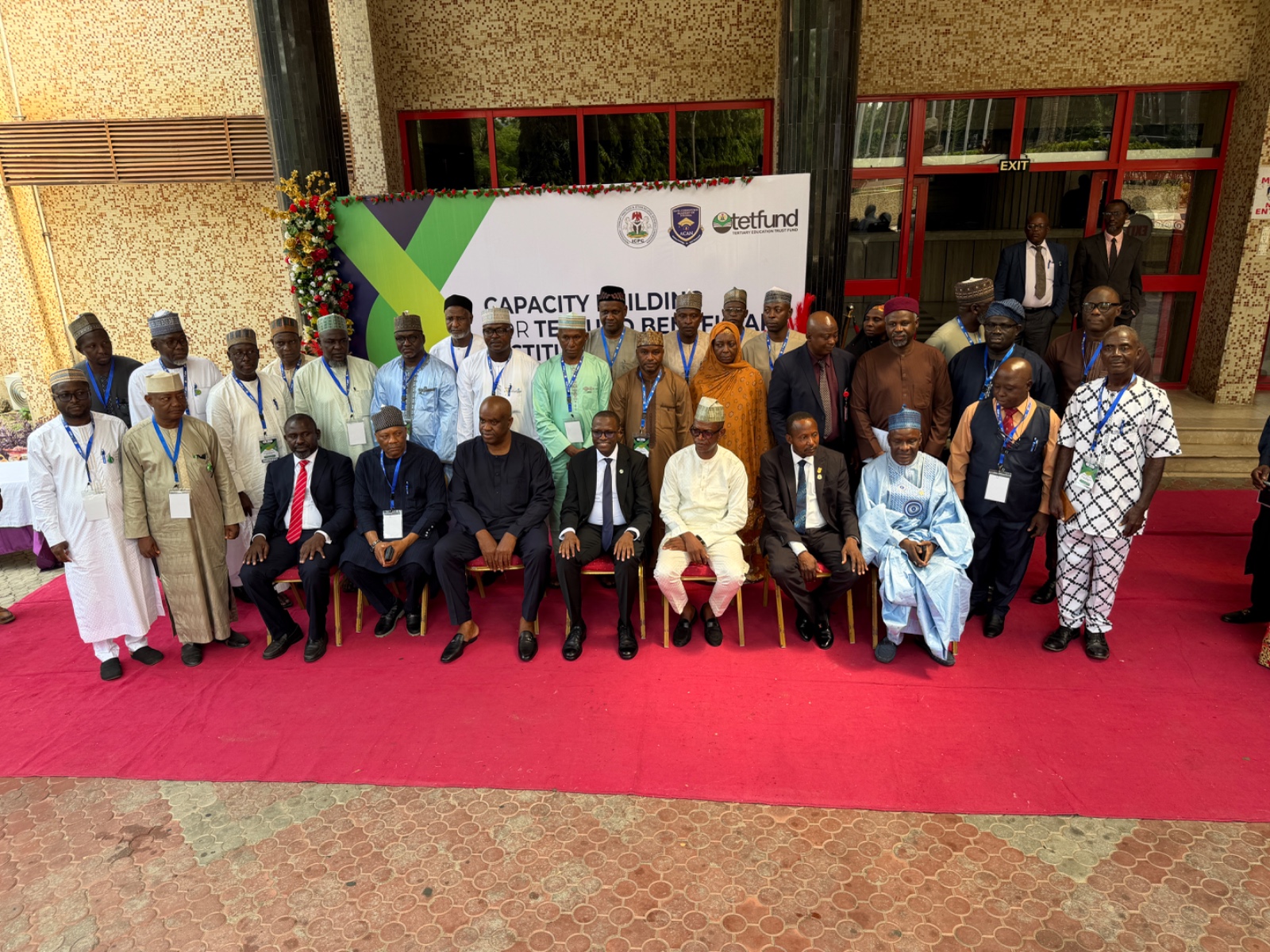
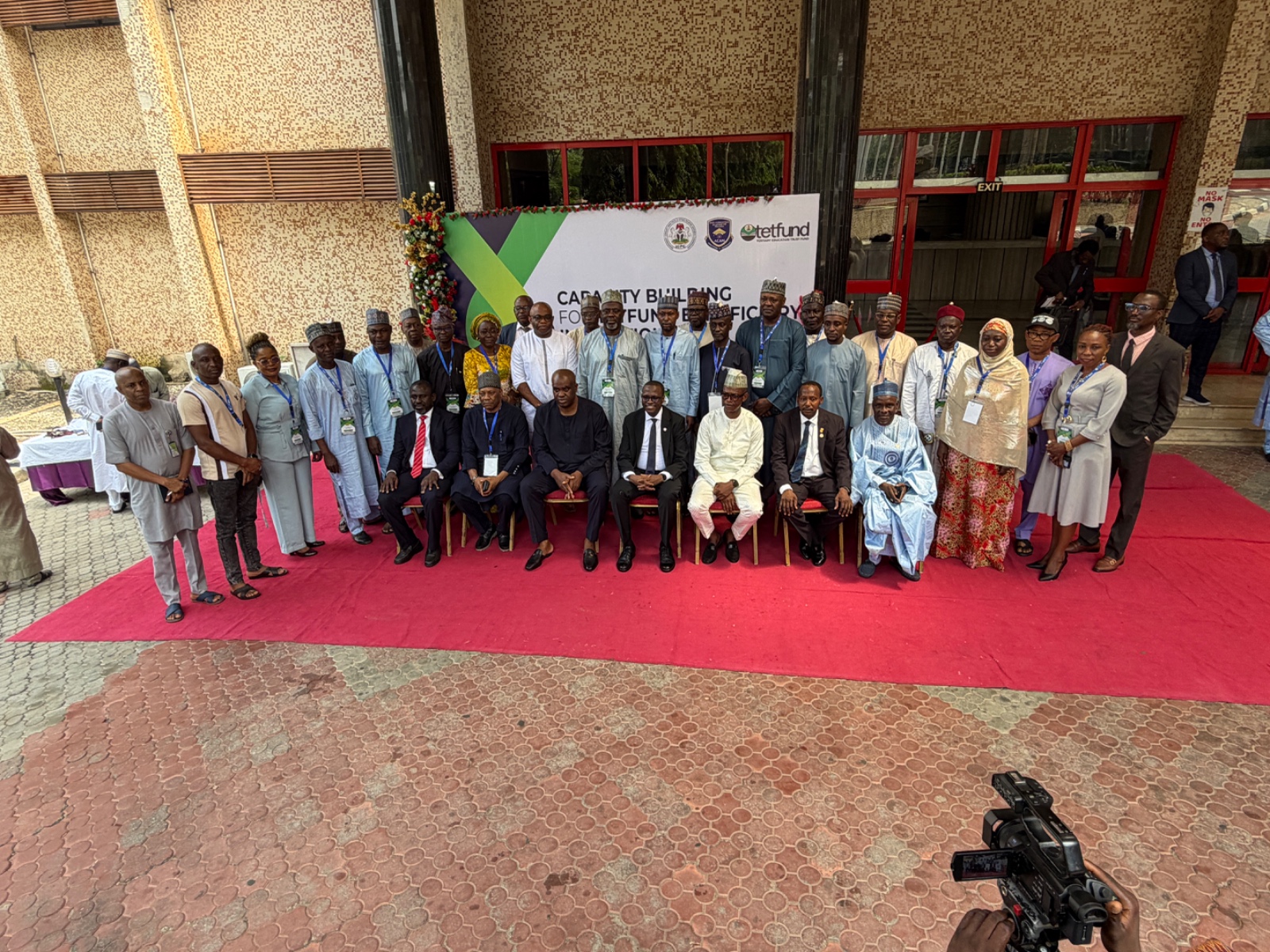
The warning was given by the ICPC Chairman, Dr Musa Adamu Aliyu, SAN, at the opening of a two-day Organisational Integrity Management Capacity-Building Programme for officials of TETFund beneficiary institutions in Abuja. The programme was organised by the Anti-Corruption Academy of Nigeria (ACAN), the training and research arm of ICPC, with support from TETFund.
In a statement issued on Monday, 2 November 2026, and signed by J. Okor Odey, Head, Media and Public Communications, ICPC, Dr Aliyu identified conflicts of interest, ineffective internal controls and financial irregularities as some of the risks that could prevent education projects from delivering value for money.
He urged heads of tertiary institutions to make integrity a practical part of their daily administrative decisions rather than treating it as a policy statement or an institutional slogan.
According to him, institutional leaders must lead by example, enforce established procedures and create safe channels through which staff and other stakeholders can report misconduct without fear of retaliation.
The ICPC Chairman also called for regular corruption risk assessments, proper documentation of transactions, clear separation of official responsibilities and independent verification of projects.
He urged participating institutions to develop specific measures for improving integrity management, assign officers to oversee implementation, set timelines and establish measurable indicators to track progress.
Dr Aliyu stressed that the success of the programme should not be judged by the number of officials who attended but by the practical changes introduced in their respective institutions.
He reaffirmed the Commission’s commitment to preventing corruption through System Study and Review, Corruption Risk Assessment, the Ethics and Integrity Compliance Scorecard and capacity-building programmes organised through ACAN.
ACAN, TETFund Stress Institutional Accountability
In his remarks, the Provost of ACAN, Professor Sheriff Ghali Ibrahim, said integrity in tertiary education must extend beyond the offices of institutional heads to include academic staff, non-academic personnel and students.
He identified honesty, accountability and fairness as essential values for building trust and maintaining ethical standards in educational institutions.
Professor Ibrahim urged tertiary institutions to work with ICPC to tackle corruption and other forms of misconduct, including administrative corruption, embezzlement, examination malpractice, the monetisation of marks, sexual harassment and the presence of ghost workers.
He also commended TETFund for supporting the programme, describing it as an opportunity to strengthen governance and ethical practices across the education sector.
The Executive Secretary of TETFund, Arc. Sonny Echono, PhD, represented by the Director of Human Resources and General Administration, Dr. Kolapo Okunlola, said funding alone could not guarantee development without responsible leadership and effective implementation.
He urged institutional leaders to comply with procurement laws, financial regulations and TETFund guidelines, while taking responsibility for the quality and outcomes of projects executed with intervention funds.
Arc. Echono also called on institutions to protect individuals who report wrongdoing and identify weaknesses in their administrative and financial systems before they are exploited.
He reaffirmed TETFund’s commitment to transparency and accountability, urging participants to apply the lessons from the programme to improve the management of resources in their institutions.
He added that the success of TETFund interventions should be reflected not only in the amount of money disbursed but also in improvements to educational infrastructure, research and learning.
About the Author