 Odita Sunday



IGP DISU’S JUDO PRESIDENCY: BALANCING NATIONAL SECURITY RESPONSIBILITIES WITH SPORTS LEADERSHIP
By Alex Monye
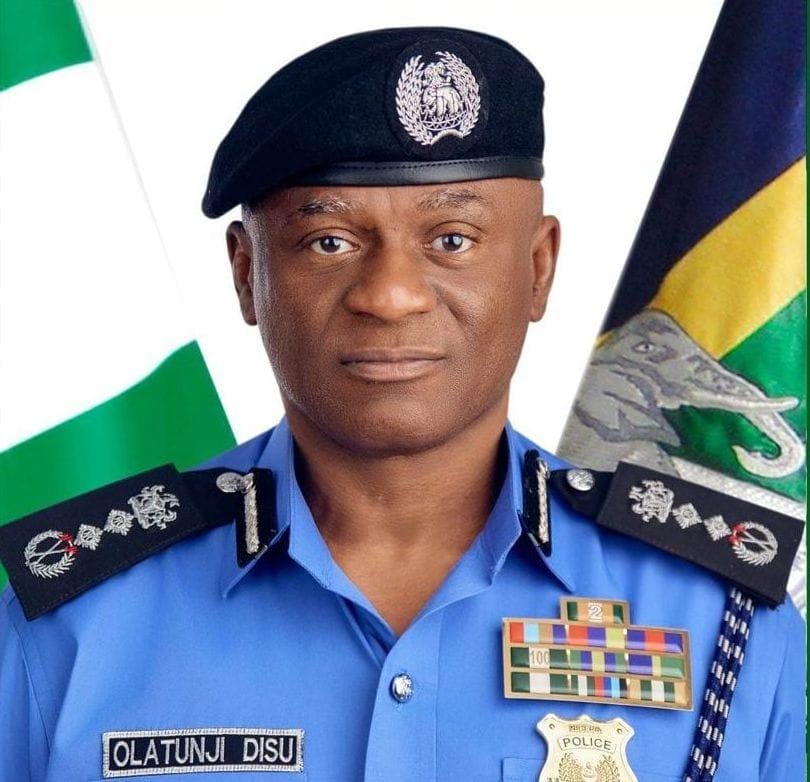
The election of the Inspector-General of Police (IGP), Olatunji Rilwan Disu, as President of the Nigeria Judo Federation (NJF) marks a significant development in his longstanding involvement in sports administration and presents a new opportunity for the growth of judo in Nigeria.
Disu emerged unopposed at the federation’s National Elective Congress held on Thursday, November 19, 2026, at the Media Centre of the Moshood Abiola National Stadium, Abuja, securing all 13 votes cast by eligible delegates.
His emergence has attracted attention within the sporting community, particularly because he currently occupies one of the country’s most demanding public offices as Inspector-General of Police.
However, his election is not a sudden departure into sports administration. It represents the continuation of a longstanding passion for judo, a sport in which he has participated for several decades and through which he has acquired both competitive and administrative experience.
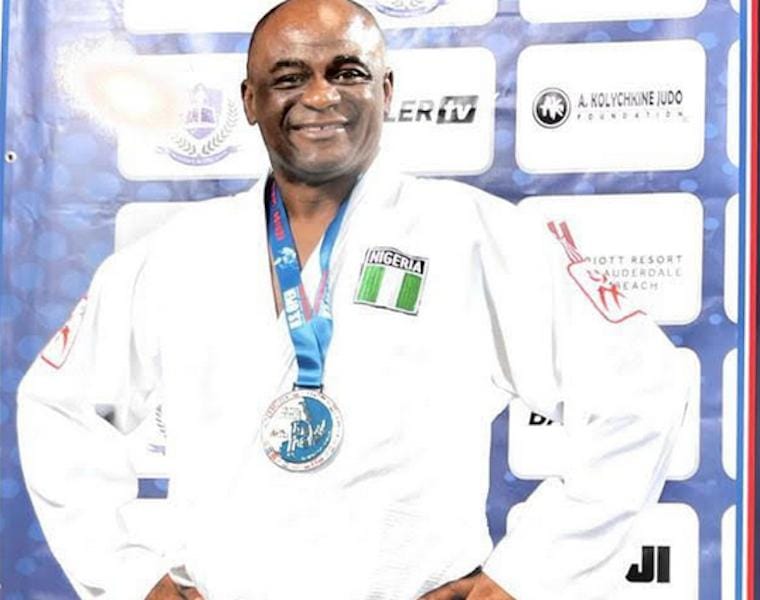
Disu began practising judo in 1986 and holds a third-dan black belt. His achievements include a gold medal at the 1990 National Sports Festival in Bauchi and medals at various police and veterans’ competitions.
In July 2022, he also won a silver medal in the veterans’ -100kg category at the 33rd US Open Judo Championship.
Before his election as national president, he served as Chairman of the Lagos State Judo Association and also served as Patron of the Nigerian Police Judo Association.
His transition from state-level judo administration to the presidency of the national federation represents a considerable expansion of his responsibilities within the sport.
He succeeds Dr Musa Oshodi, whose tenure preceded the emergence of the new administration.
The election was conducted under the leadership of the federation’s Caretaker Committee, chaired by Sheriff Hammed.
In his acceptance remarks, Disu expressed appreciation for the confidence reposed in him by the delegates and emphasised the need for unity, reconciliation and collective commitment among stakeholders.
He indicated his readiness to reach out to judokas within Nigeria and in the diaspora, stressing that the development of the sport must take precedence over individual interests.
His proposed direction places emphasis on strengthening grassroots participation, encouraging young people to embrace judo and improving Nigeria’s competitiveness at continental and international competitions.
Among the areas requiring attention are athlete development, coaching standards, technical capacity, competition organisation, institutional partnerships and the welfare of judokas.
The new administration will also be expected to strengthen the relationship between the national federation and state associations to ensure that development programmes extend beyond the national level.
While his election has generated discussion about the demands of occupying two significant leadership positions, it is important to recognise that Disu’s involvement in judo predates his appointment as Inspector-General of Police.
His previous experience as a state association chairman demonstrates an established connection with the sport and an understanding of its administrative environment.
Nevertheless, the national presidency carries broader expectations than his former state-level position.
As Inspector-General of Police, Disu remains responsible for providing leadership to the Nigeria Police Force at a time when national security, crime prevention, operational efficiency and public confidence in policing remain major concerns.
The demands of the two positions therefore make effective institutional administration and delegation particularly important.
The Nigeria Police Force has its established command structure, while the Nigeria Judo Federation operates through its own administrative structures.
Effective administrative support and appropriate delegation will be essential to ensuring that the development of Nigerian judo remains a collective responsibility.
The discussion should therefore focus on institutional effectiveness rather than suggesting that a passion for sports administration automatically conflicts with the responsibilities of public office.
Disu’s election also provides an opportunity to draw greater attention to judo as a sport capable of promoting discipline, confidence, physical fitness and character development among young Nigerians.
His experience in law enforcement and martial arts could help encourage partnerships that support the promotion of judo in schools, tertiary institutions and other sporting environments.
The importance of grassroots development cannot be overemphasised. A sustainable judo programme requires early talent identification, qualified coaches, accessible training facilities, regular competitions and adequate support for athletes.
The federation will also need to build stronger relationships with relevant government institutions, sports development agencies, private-sector partners and international judo organisations.
These are important areas through which the new leadership can translate its ambitions into measurable achievements.
Disu’s involvement in judo has also extended to initiatives within the security community.
The Nigeria Police Force announced the first IGP Olatunji Disu Inter-Club Judo Championship in Lagos on November 19, 2026.
The championship reflected the use of judo as a sporting and physical development activity among security personnel,
with participation involving other security and paramilitary organisations reported by the media.
The initiative further demonstrates the relationship between his professional environment and his longstanding interest in martial arts.
For the Nigeria Judo Federation, Disu’s emergence comes with expectations of improved administration, stronger stakeholder relations, increased grassroots participation and greater international recognition.
For the Nigeria Police Force, the expectation remains effective leadership and sustained attention to the country’s security needs.
His new position should therefore be viewed as an opportunity to contribute to Nigerian sports through his experience and established interest in judo, while the federation’s administrative structures ensure that its programmes and responsibilities are effectively managed.
Ultimately, the success of his presidency will be determined by the achievements recorded by the federation, the unity established among stakeholders and the progress made in developing Nigerian athletes.
The challenge is not simply about holding two leadership titles, but about ensuring that the institutions involved continue to function effectively and deliver on their respective responsibilities.
For Nigerian judo, Disu’s election offers a fresh opportunity. The responsibility now rests on the new president and the wider judo community to turn that opportunity into lasting progress.
About the Author