 Odita Sunday



INEC AND ADMINISTRATIVE SUBTERFUGE: A DANGEROUS PATH THAT COULD TEAR NIGERIA APART
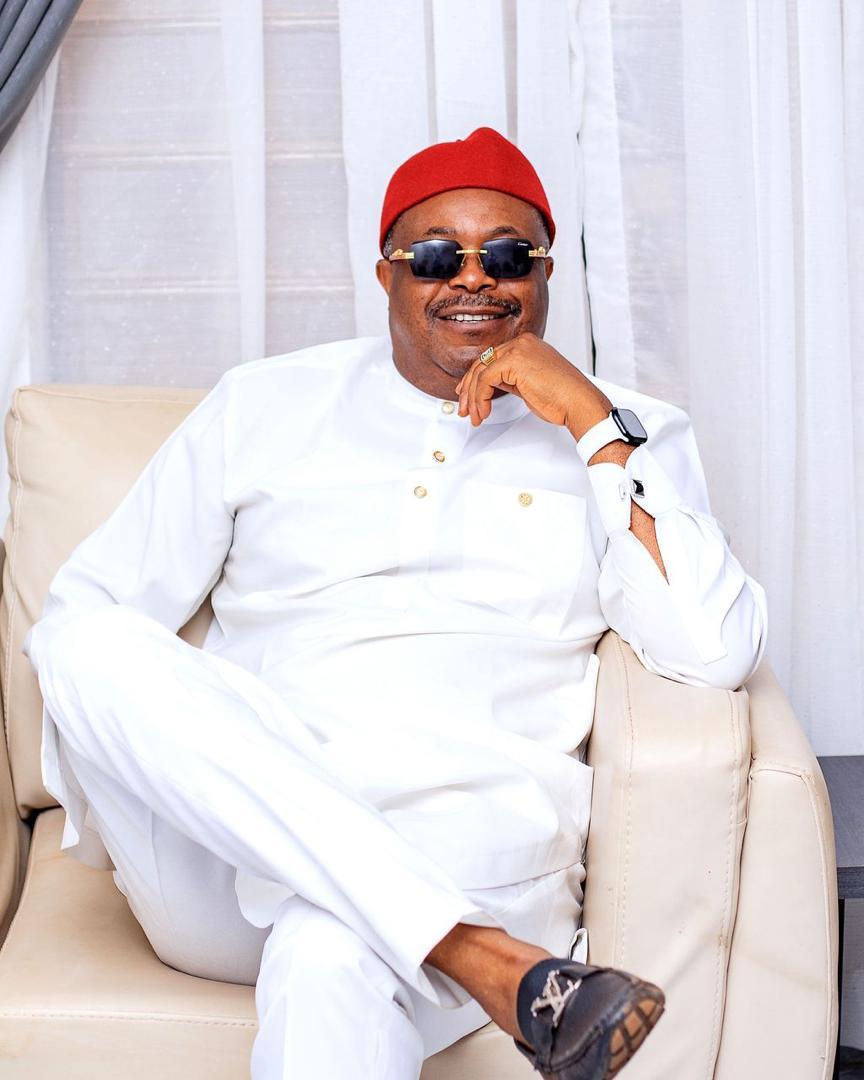
By Dr. Christopher Okobah
There are responsibilities so sacred that betraying them wounds an entire nation. Conducting an election is one of them.
An electoral commission holds more than names, photographs and voting figures. It holds the peaceful means by which a suffering people can demand a different future. In its custody are the hopes of the unemployed graduate, the exhausted trader, the frightened farmer and the mother wondering whether her children will ever live better than she has.
The the roads are not death traps.
That the hospitals are not death centers.
That our police are not agents of oppression.
That our institutions are not dane of corruption.
That INEC doesn’t become a den of corruption where the people’s hopes are traded and their democratic rights betrayed.”
“A ballot is the voice of a citizen who should never have to carry a weapon to be heard.”
That is why the questions confronting the Independent National Electoral Commission ahead of the 2027 elections deserve urgent, verifiable answers.
Reports published on 27 October 2026 describe allegations of suspected AI-generated photographs and duplicate entries in the preliminary voter register. These reports establish serious grounds for scrutiny. Manufactured voters or planned electoral fraud. That distinction must guide an investigation whose findings Nigerians can examine.
But allegations of this gravity cannot be settled by asking citizens simply to trust the institution under scrutiny. Trust requires evidence. Confidence requires openness. Every questionable record deserves an explanation and, where necessary, correction.
Administrative subterfuge begins when official processes become instruments of concealment: when an explanation is designed to confuse, when a procedure becomes an obstacle, or when bureaucracy shields conduct that cannot withstand public examination. An error alone does not prove deception. Deliberately hiding an error, frustrating its investigation or protecting those responsible would raise a far darker concern.
“An administrative excuse cannot carry the moral weight of a stolen democratic right.”
INEC must understand what is at stake. A voter register is the foundation upon which an election stands. Citizens must be able to establish that their identities are correctly recorded, that suspicious entries are investigated and that corrections follow a transparent process.
Where photographs appear questionable, examine their origin. Where identities appear duplicated, investigate the underlying records. Preserve the audit trails. Explain who could create or alter entries and what safeguards govern that access. Provide independent scrutiny while protecting citizens’ personal information.
A preliminary register exists partly to identify and correct problems. Its publication should therefore lead to a credible correction process, with clear deadlines and publicly reported outcomes.
Nigeria needs that reassurance because too many citizens already carry a heavy burden of disappointment. For a family struggling to eat, an election may represent the possibility of relief. For a community living in fear, it may represent the possibility of protection. To undermine that hope would be an act of profound cruelty.
“When people lose confidence that their votes can change their lives, the country loses one of its strongest foundations for peace.”
This is the danger INEC’s leadership must confront. A deeply disputed election could worsen division, provoke unrest and place lives and livelihoods at risk. No responsible person should welcome such a prospect. The families who suffer in a national crisis are often those who had the least power to prevent it.
INEC’s leaders must also recognise that their offices, reputations and legacies may not survive a proven betrayal of public trust. Any official found responsible for deliberate manipulation should face lawful investigation and accountability. Institutional authority cannot become permanent shelter from responsibility.
The warning is urgent precisely because a crisis can still be prevented.
Citizens, too, have a duty: examine the register, preserve evidence, submit objections, demand independent oversight and organise peaceful civic action. Anger must become disciplined vigilance. Public pressure must insist on facts.
“The strongest defence of democracy is a citizenry that refuses both intimidation and the temptation to abandon the truth.”
INEC must meet that vigilance with openness. It must answer legitimate questions without contempt, correct verified failures without evasion and demonstrate that every eligible Nigerian’s vote carries equal weight.
Nigeria’s continued unity deserves more care than political calculations and administrative convenience. Its people deserve an election they can trust—and an electoral commission willing to earn that trust.
“No office is worth the peace of a nation. No political victory is worth the future of its children.”
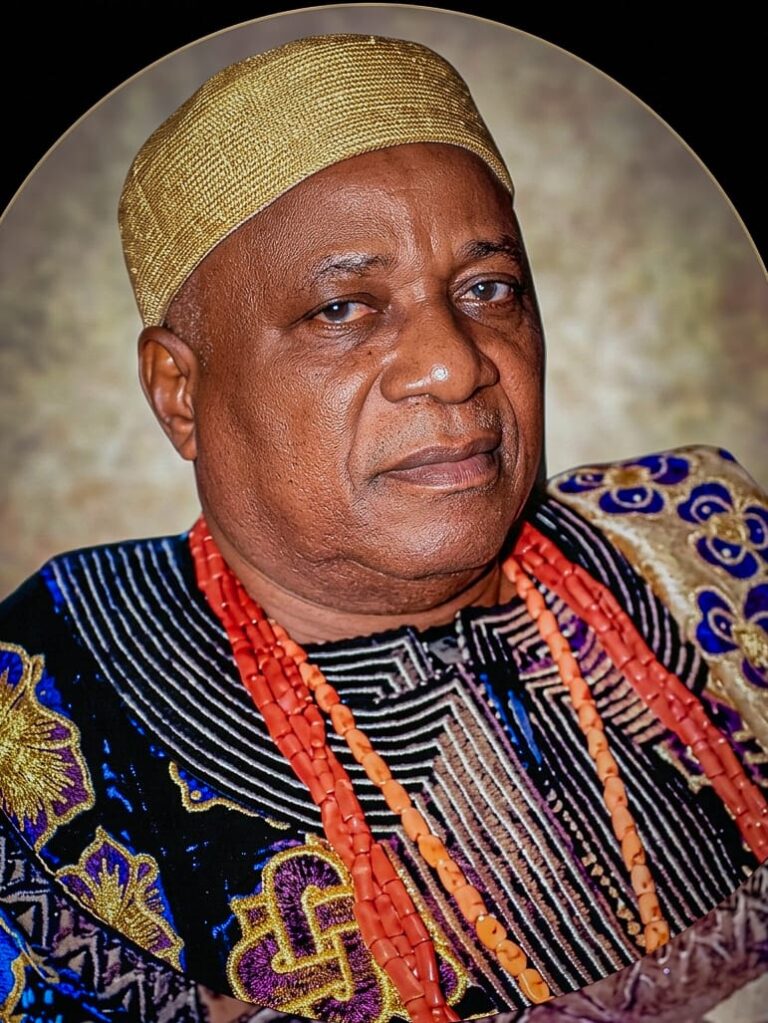
Chris Okobah PhD
Award winning author
Please share this article if you believe in a better Nigeria
About the Author