 Odita Sunday




Navy Steps In as Okpoama, Die-Ama Communities Agree to End Hostilities
By Odita Sunday
A fresh effort to end the lingering tension between Okpoama and Die-Ama communities in Bayelsa State has yielded a positive response, with both sides agreeing to lift restrictions on movement and economic activities following peace talks facilitated by the Nigerian Navy.
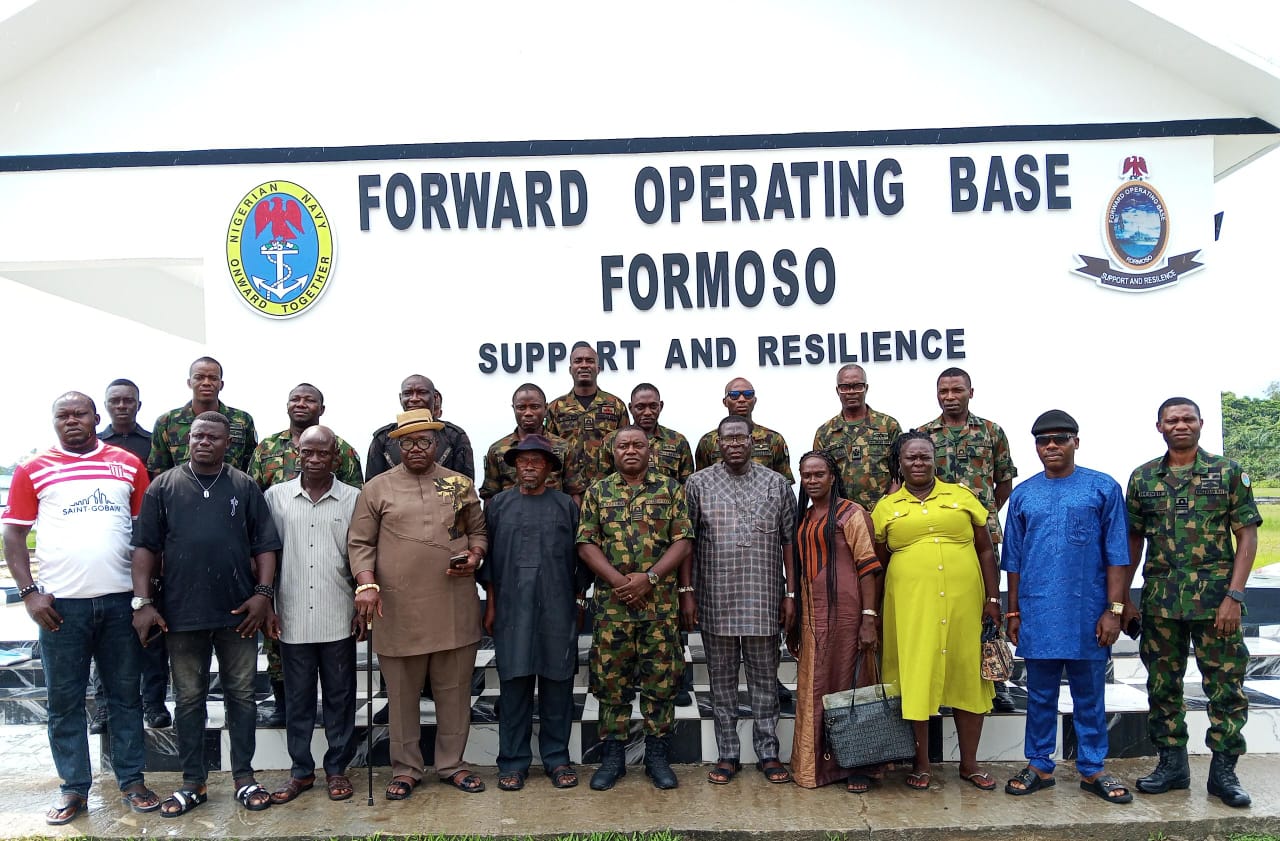
The meeting, held on Tuesday, November 17, 2026, at the Forward Operating Base (FOB) FORMOSO, brought representatives of the two communities together to discuss their differences and find a peaceful way forward.
The dialogue was convened by the Commanding Officer of FOB FORMOSO, Capt SK Haruna, as part of efforts to prevent further hostilities and encourage lasting peace between the communities in Brass Local Government Area.
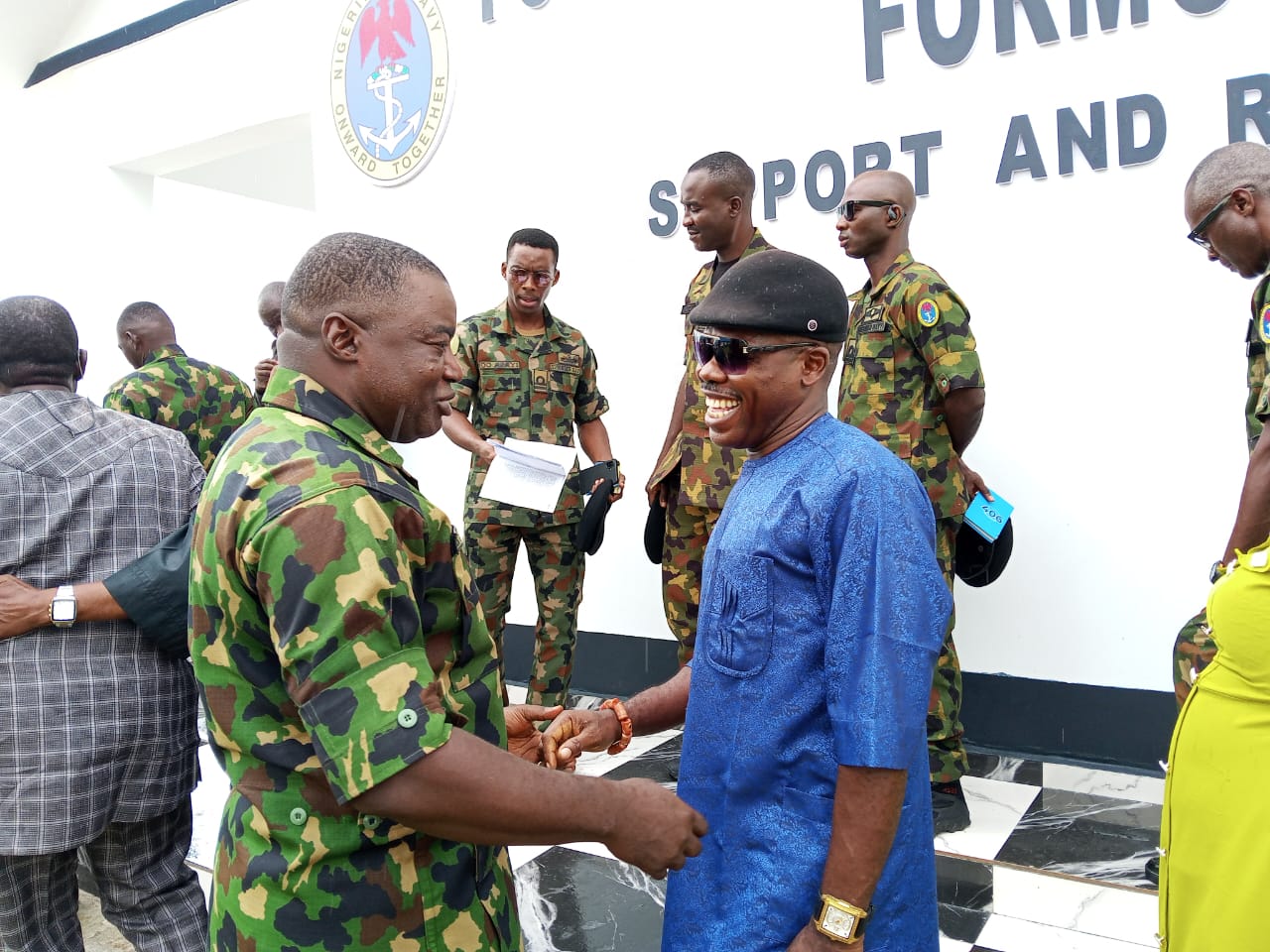
Those in attendance included His Highness Baratuaipre Amaene of Die-Ama Community and Chief Ayebaemi Alabo, who represented His Highness of Okpoama community, alongside executives from both sides.
During the discussion, representatives of the communities were given the opportunity to explain their grievances and the issues behind the continued tension. Both sides expressed their willingness to put the dispute behind them and work towards a lasting peaceful settlement.
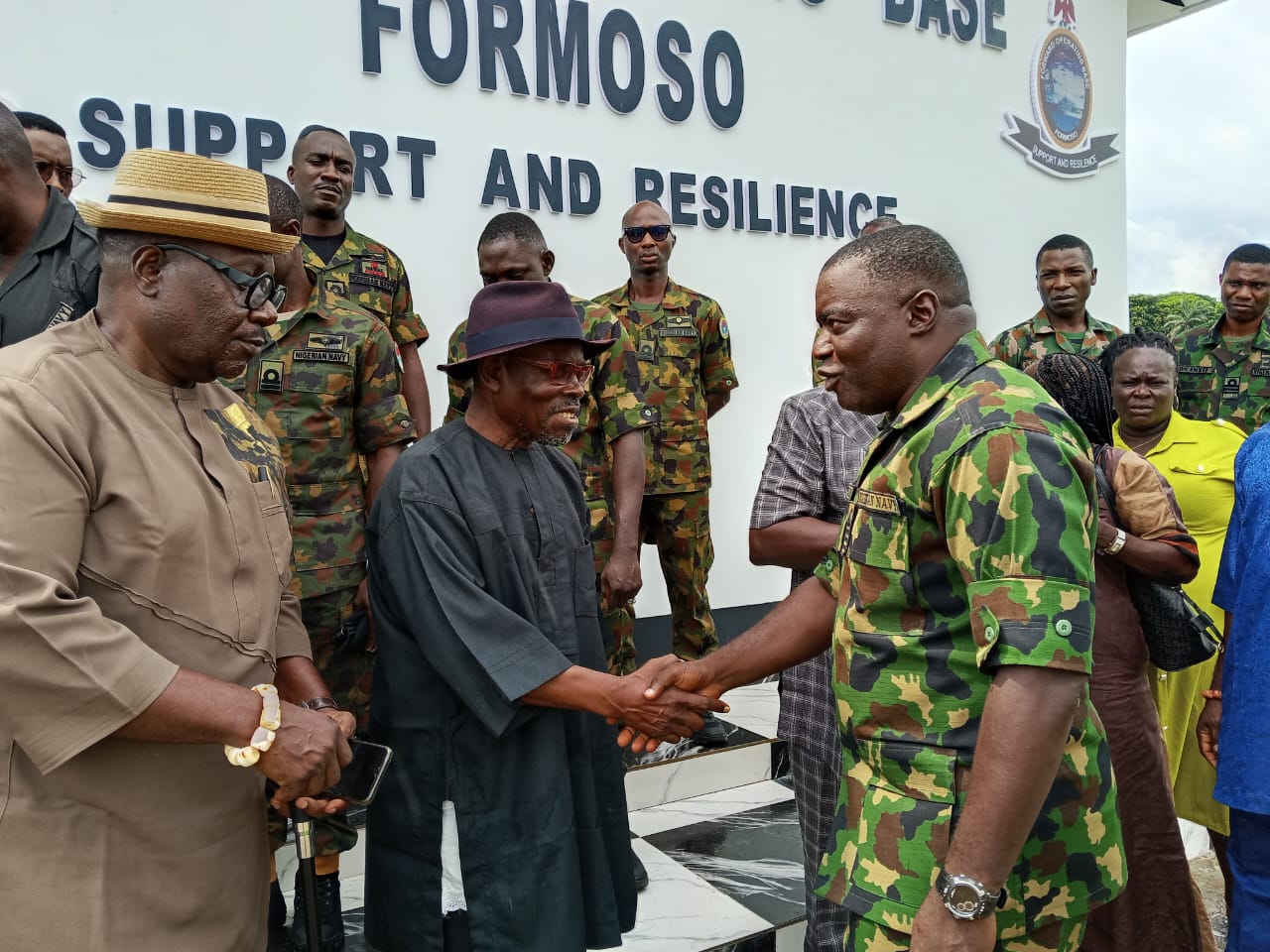
As part of the resolutions, the communities agreed to immediately remove restrictions affecting movement and economic activities between them.
FOB FORMOSO also offered to mediate on the issues raised, while assuring both parties that matters outside its authority would be referred to the appropriate higher authorities.
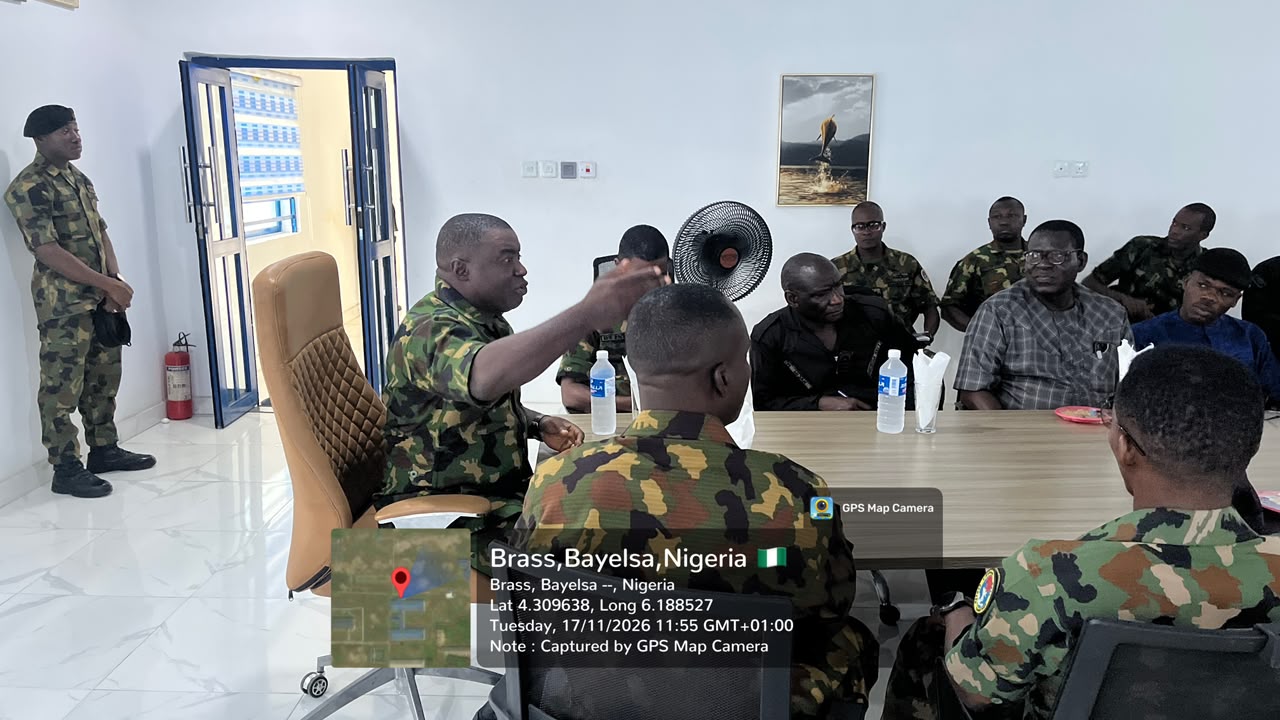
Speaking at the meeting, Capt SK Haruna urged the communities not to allow old grievances to stand in the way of peaceful coexistence.
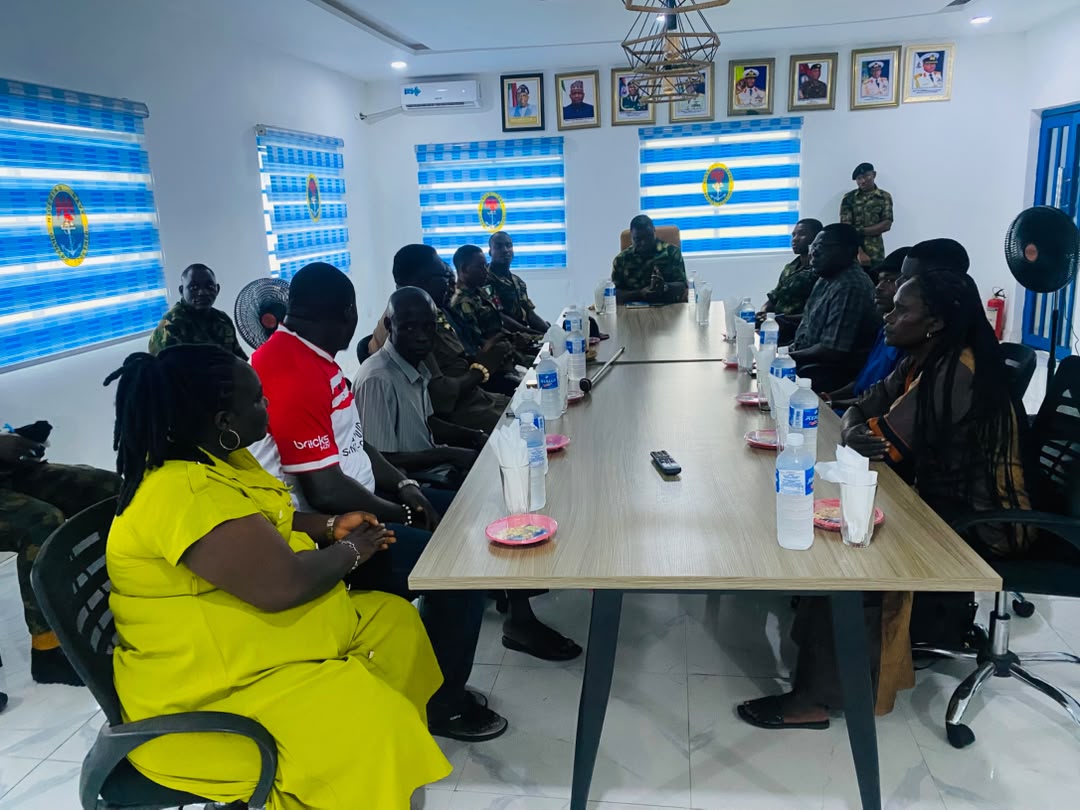
He reminded them that maintaining peace was a shared responsibility, warning youths against keeping historical rivalries alive and advising community elders against taking the law into their own hands over land disputes.
Haruna stressed that land-related disagreements should be taken to competent courts for resolution rather than settled through confrontation.
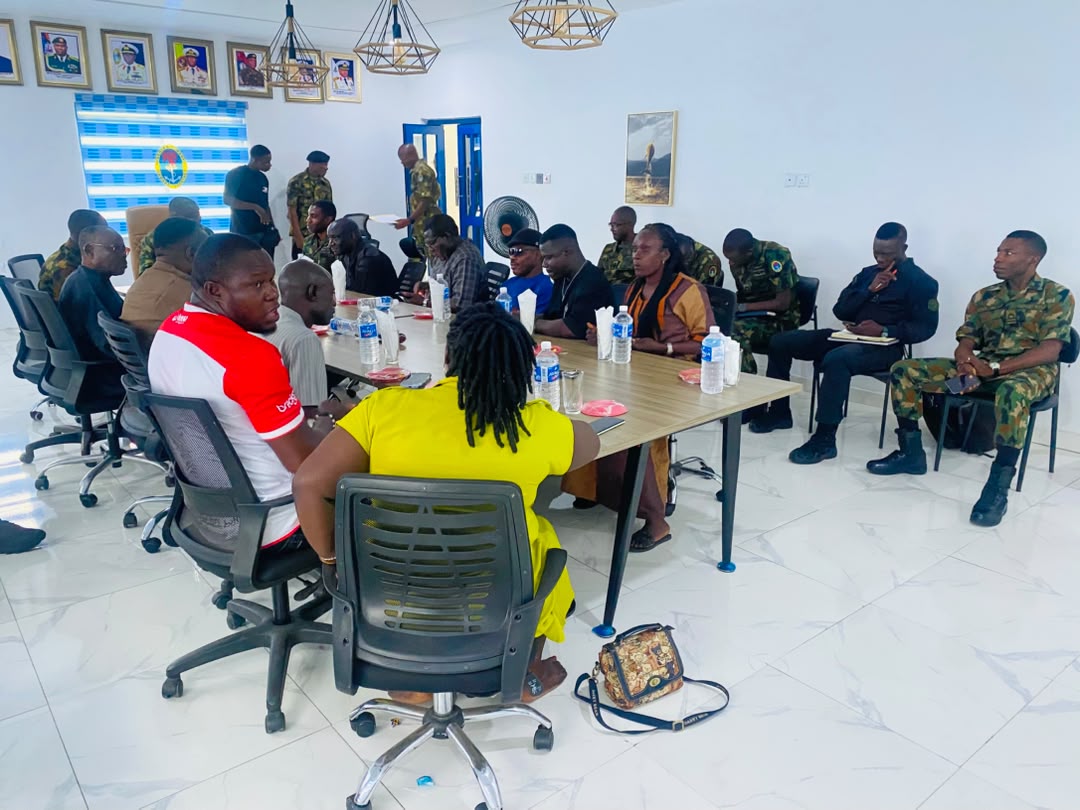
The meeting ended with both communities expressing their readiness to respect the resolutions reached, raising hopes that dialogue will replace hostility and allow residents to go about their daily activities without restrictions.
The intervention represents an important step towards reconciliation, as both communities now have an opportunity to rebuild trust and pursue a more peaceful relationship.
About the Author