 Odita Sunday



By Odita Sunday
The National Emergency Management Agency (NEMA) and the World Bank Group have begun assessing Kogi State’s capacity to respond to emergencies, with stakeholders examining existing systems and gaps that could affect the state’s ability to act when disaster strikes.
The assessment, conducted by NEMA’s Abuja Operations Office in collaboration with the World Bank Group, is part of efforts to strengthen emergency preparedness and response systems across the country.
The exercise followed an Emergency Preparedness and Response Plan (EPR&R) workshop held earlier in the year and was designed to determine Kogi’s “Ready-to-Respond” status, assess available capacity and identify areas requiring further intervention.
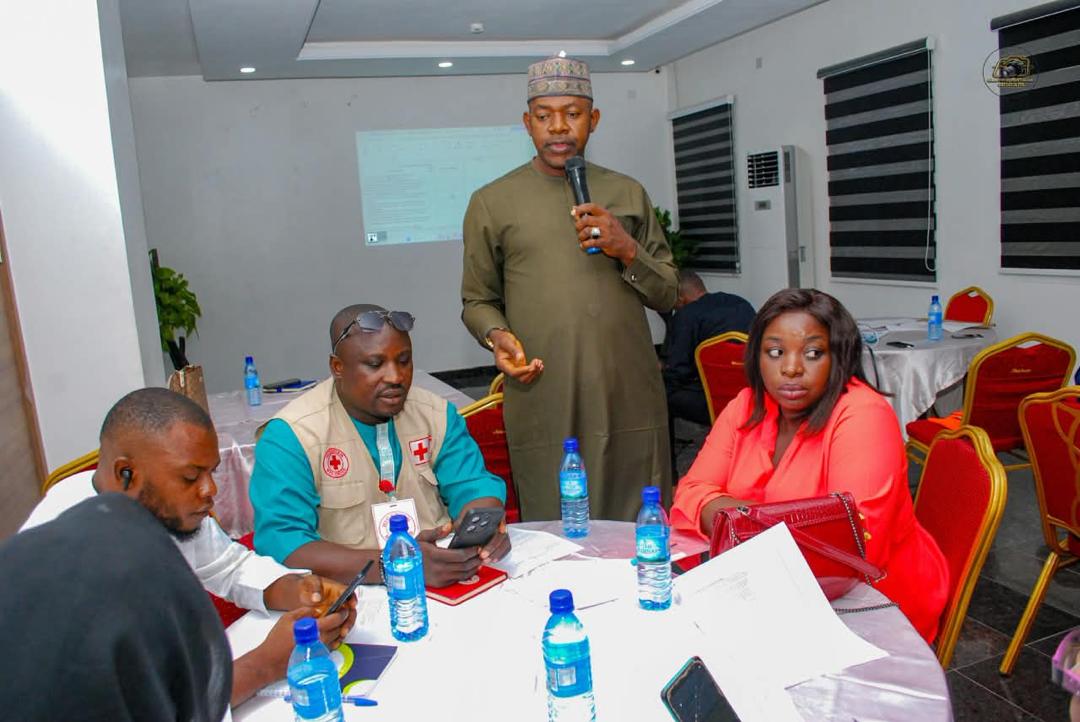
Declaring the exercise open, the Head of NEMA Abuja Operations Office, Pharm. Zakari Abubakar, who represented the Director General of NEMA, Mrs. Zubaida Umar, said the agency remained committed to helping states build effective and coordinated emergency management structures.
Abubakar stressed the importance of continuous collaboration among emergency management agencies and other stakeholders, saying preparedness and stronger coordination were essential to reducing the impact of disasters on communities.
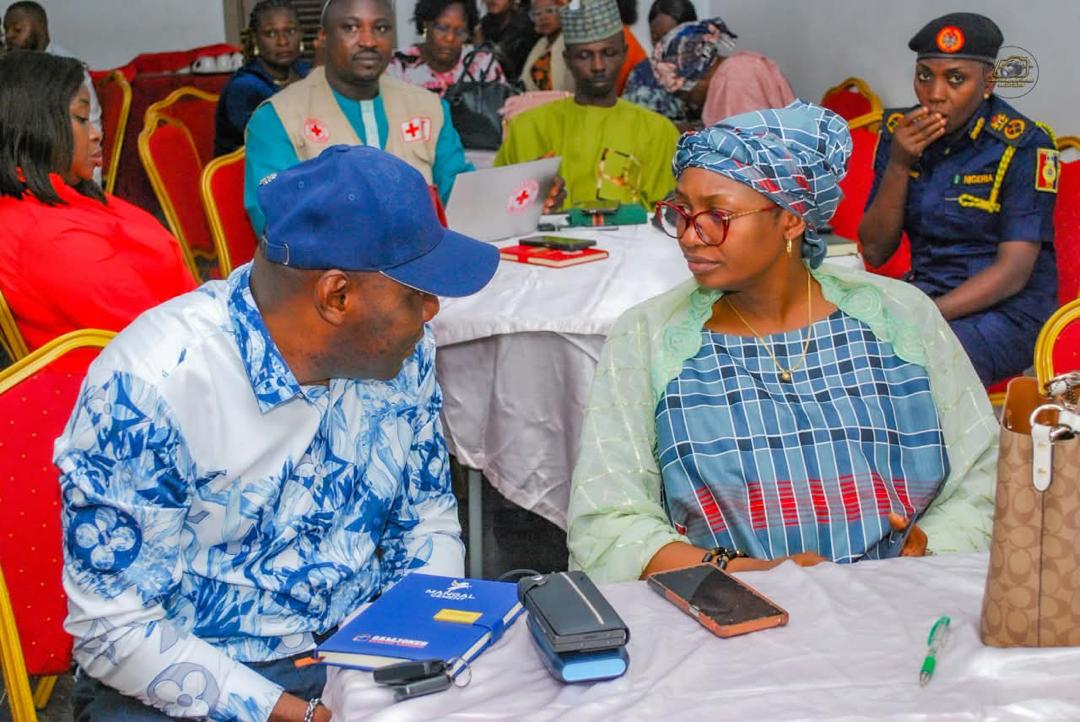
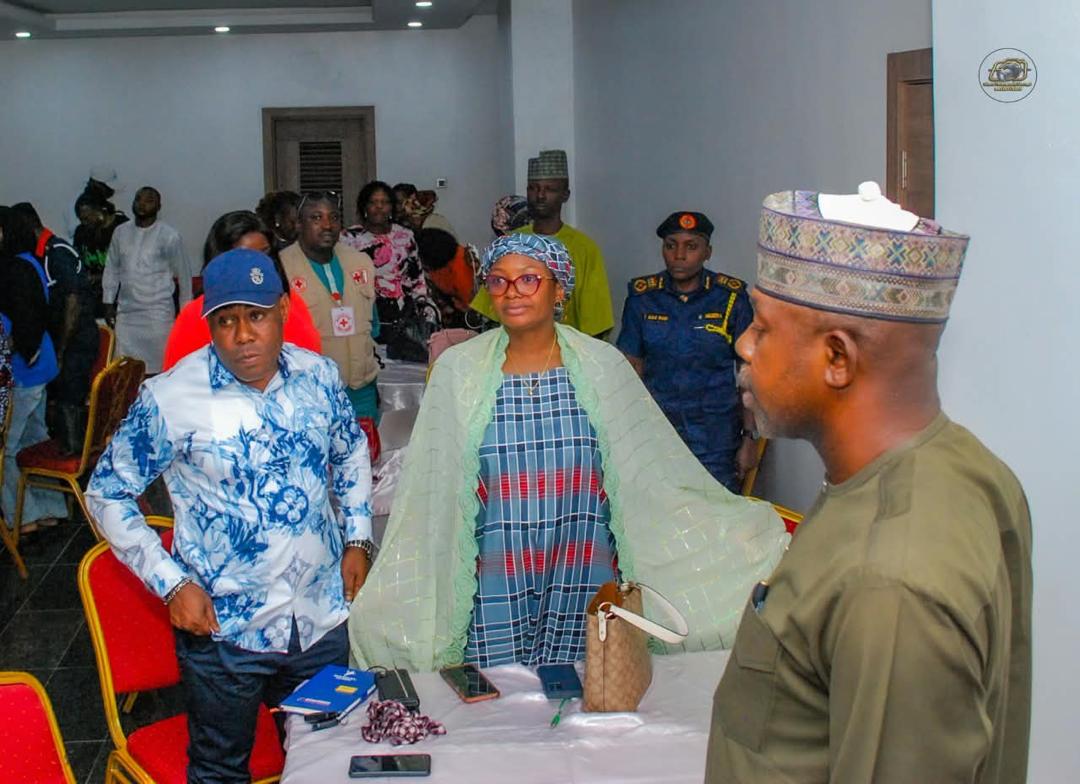
The assessment brought together representatives of NEMA, the Nigerian Navy, the Nigeria Security and Civil Defence Corps (NSCDC), Kogi State Fire Service, the Nigerian Red Cross Society, Kogi State Emergency Management Agency (KOSEMA), the Kogi State Government, the National Inland Waterways Authority (NIWA) and other relevant Ministries, Departments and Agencies.
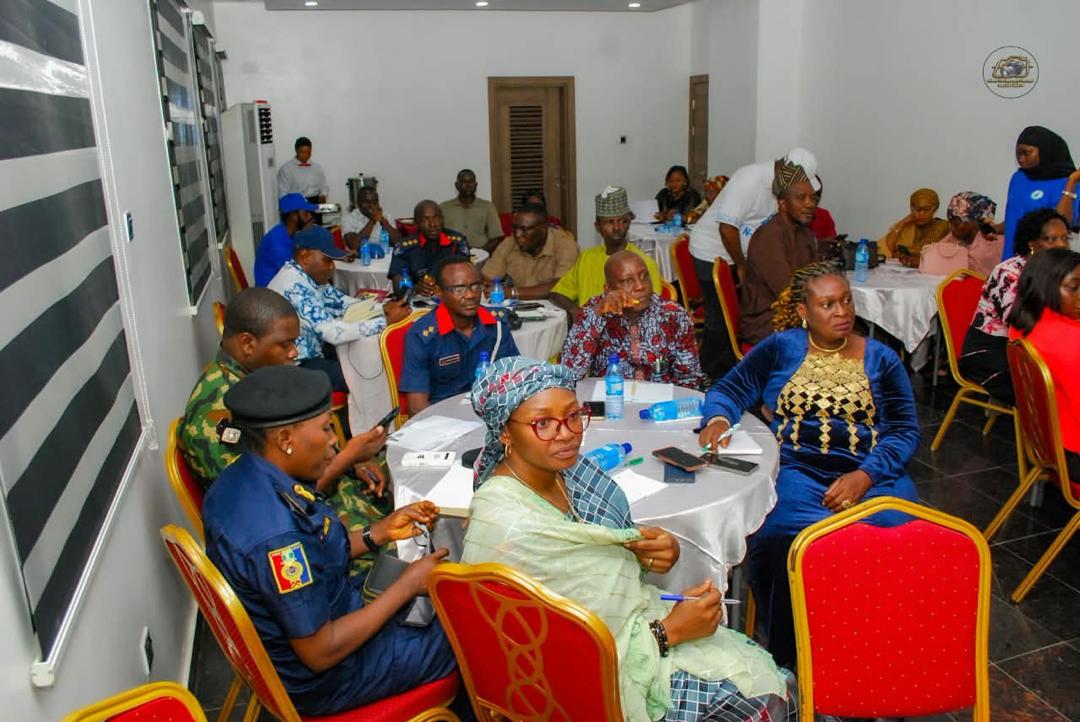
During the exercise, the stakeholders reviewed existing emergency response mechanisms, examined institutional capabilities and identified areas where further improvements are needed to strengthen operations during emergencies.
The collaboration between NEMA and the World Bank Group is expected to support evidence-based planning and strengthen coordination frameworks for disaster preparedness and response.
The initiative is also aimed at helping Kogi State and other states develop more resilient emergency management systems capable of responding effectively to disasters and protecting vulnerable communities.
About the Author