 Odita Sunday
Nigeria’s greatest crisis is not only bad leadership—it is the growing willingness of citizens to defend the very system that impoverishes them.
For too long, Nigeria has been moving in the wrong direction.
Our economy has struggled. Too many of our roads have become death traps. Our hospitals are overwhelmed. Our public schools and institutions have been neglected. Electricity remains unreliable, while public debt continues to rise.
People suffer from bad roads, poor healthcare, unemployment, insecurity and failing schools—and still fight one another in defence of politicians who may never experience those hardships themselves.
Many powerful Nigerians educate their children abroad while our universities struggle. They seek medical treatment overseas while our hospitals deteriorate. They fly above the potholes in private jets and business class while ordinary Nigerians risk their lives travelling on dangerous roads.
Why, then, should they feel the urgency of fixing what they rarely use?
Even institutions that should provide the moral conscience of society must examine themselves. Religious leaders must never become cheerleaders for political power simply because politicians donate money to churches, mosques or religious projects.
Faith must speak truth to power.
But Nigerians must also understand something fundamental:
God does not have a voter’s card.
We cannot pray ourselves out of problems that require responsible citizenship, accountable leadership, strong institutions and courageous reforms.
Nigeria’s problems must ultimately be solved by Nigerians.
We must build an electoral system in which every lawful vote is protected and transparently counted. We must demand competent government. We must rebuild our roads, schools, hospitals and electricity infrastructure.
We must stop reducing every national problem to APC, PDP, Labour Party or any other political platform.
Nigeria is bigger than every political party.
Citizens should judge public officials by their records, integrity, policies and service—not ethnicity, religion, political slogans or financial inducements.
The oppressed must stop becoming defenders of oppression simply because the oppressor speaks their language, worships in their church, belongs to their ethnic group or political party.
Our destiny cannot permanently be outsourced to politicians—or even to prayer.
Prayer should strengthen our conscience, not replace our responsibility.
Nigeria is approaching a dangerous point where dysfunction risks becoming normal. We must refuse to accept poverty as destiny, darkness as normal electricity, potholes as roads, abandoned classrooms as education, or inadequately equipped hospitals as healthcare.
The question is no longer:
“When will somebody save Nigeria?”
The question is:
“When will Nigerians decide that enough is enough and begin rebuilding Nigeria?”
Because ultimately, only Nigerians can fix Nigeria.
And if we refuse to fix it, we will continue paying the price.
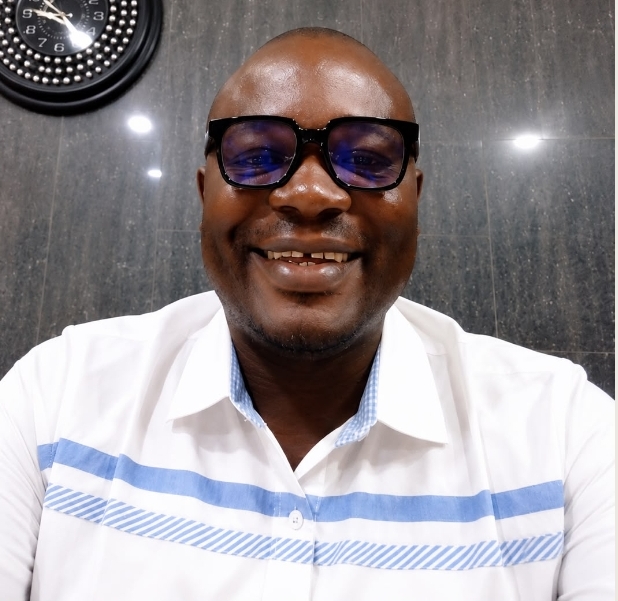
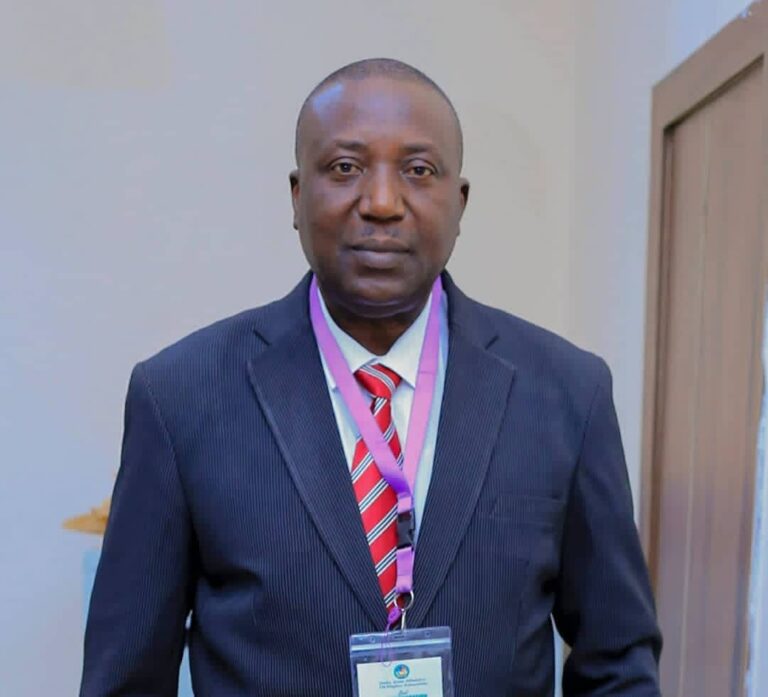
Dr. Chris Okobah, PhD Award-Winning Author
Kindly share if you believe that a better Nigeria is possible—and that rebuilding it is our collective responsibility.
About the Author