 Odita Sunday




Nigeria Must Move Beyond Foreign Technology, Develop Indigenous Defence Capabilities — Musa
By Aviashima Toom, Abuja
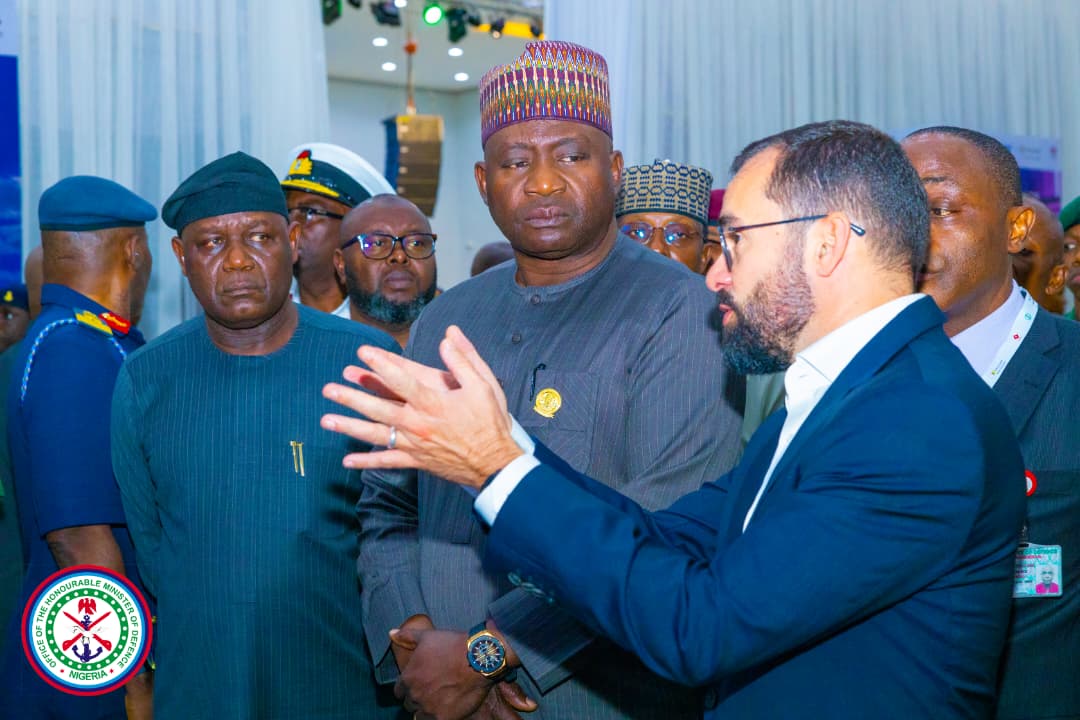
The Minister of Defence, General Christopher Gwabin Musa (retd.), has urged Nigeria to reduce its dependence on foreign technology and prioritise the development of indigenous defence capabilities to strengthen national security.
Musa said the country must invest in technology transfer, local expertise and domestic manufacturing to support military operations and address emerging security challenges.
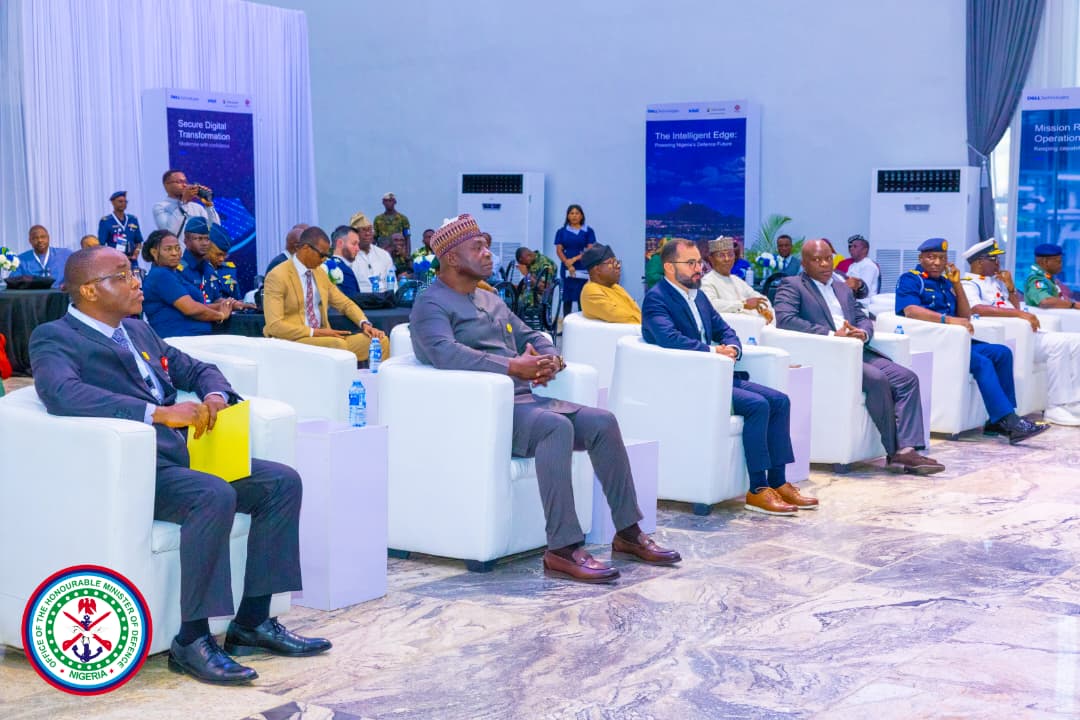
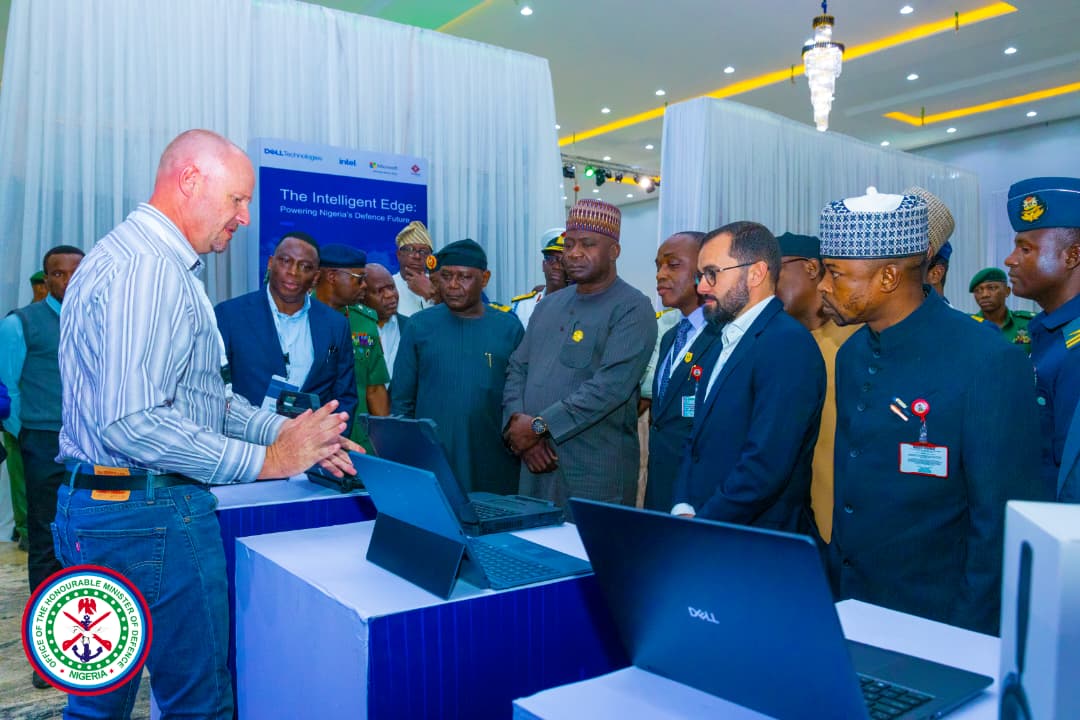
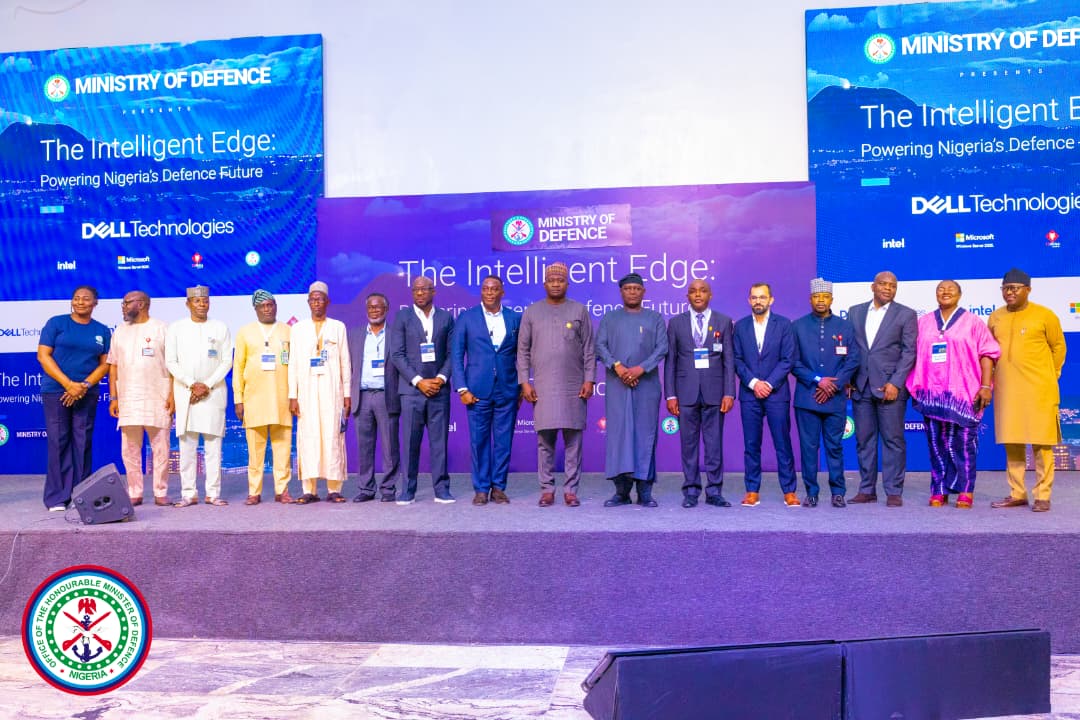
The minister made the call on Tuesday at the opening of a two-day strategic workshop organised by the Ministry of Defence in collaboration with Dell Technologies at the Armed Forces Officers’ Mess, Asokoro, Abuja.
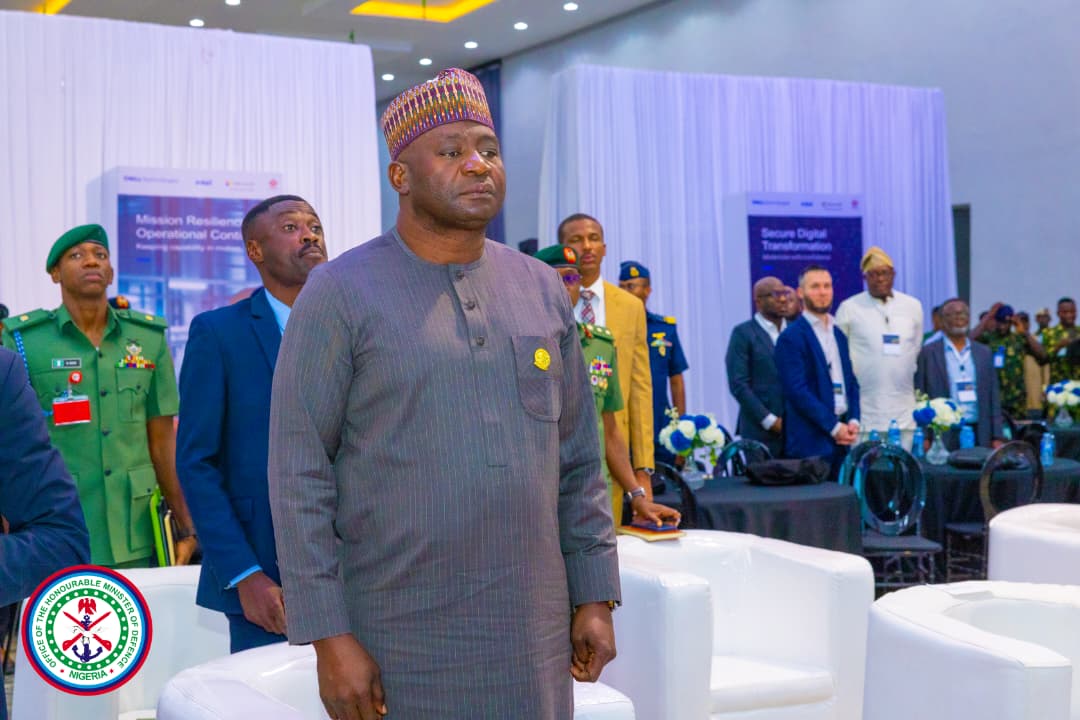
The workshop, themed “The Intelligent Edge: Powering Nigeria’s Defence Future,” is focused on exploring how emerging technologies can enhance military operations, intelligence gathering and strategic decision-making.
Musa noted that advancements in artificial intelligence, data analytics and digital systems were rapidly transforming modern warfare, stressing that technology had become indispensable to effective military operations.
According to him, Nigeria must develop the capacity not only to acquire advanced technologies but also to operate, maintain, adapt and, where possible, manufacture them locally to meet its defence requirements.
He emphasised that international partnerships should go beyond technology procurement to promote knowledge transfer, technical training and the development of indigenous expertise.
The minister urged participants to identify practical ways the partnership with Dell Technologies could support local capacity building and strengthen Nigeria’s technological independence.
He also highlighted the importance of developing young Nigerians with relevant technical skills, noting that expertise acquired through such engagements could contribute to national development and create opportunities in the technology-driven economy.
Musa challenged participants to ensure that the workshop produced practical solutions to address existing technological gaps within the Ministry of Defence, rather than limiting discussions to presentations and recommendations.
He said the joint communiqué expected at the end of the workshop should clearly outline priority areas, agreements and actionable recommendations for implementation.
The minister reaffirmed the Ministry’s commitment to partnerships capable of strengthening national security institutions and advancing Nigeria’s defence capabilities, in line with President Bola Tinubu’s vision of a safer and more secure country.
Earlier, the Special Adviser on Technology to the Minister of Defence, Air Vice Marshal Amos Bulus, said the initiative, which commenced in February 2026, was designed to accelerate technological advancement and institutional development within the defence sector.
Bulus commended the minister for his leadership and commitment to technological transformation, while appreciating Dell Technologies for partnering with the Ministry.
He explained that the collaboration was aimed at providing access to modern technology solutions, promoting knowledge transfer, building institutional capacity and identifying sustainable technological solutions suited to Nigeria’s defence requirements.
According to him, the workshop provides a secure platform for military personnel, policymakers, technical experts and industry stakeholders to examine challenges affecting technology deployment within the Armed Forces.
He identified secure computing infrastructure, data management, cybersecurity and integrated technology solutions as critical areas requiring attention to improve military coordination, personnel records management and institutional efficiency.
Bulus expressed optimism that the engagement would contribute to building a more integrated, responsive and technology-driven defence sector.
Also speaking, the Country Lead of Dell Technologies in Nigeria, Abimbola Owoeye, called for a shift from viewing technology as mere expenditure to recognising it as a strategic investment in national development and security.
Owoeye said the workshop was designed to examine the digital infrastructure Nigeria’s defence establishment would require over the next decade and beyond.
He emphasised the importance of integrated data platforms, intelligent automation and effective data management systems in strengthening military capabilities and improving decision-making.
According to him, access to reliable data and the ability to process and analyse information securely are increasingly important to intelligence gathering and operational effectiveness.
He challenged participants to examine how quickly critical information could be accessed, how securely it could be stored and how effectively it could be analysed to support timely decisions.
Owoeye further explained that computing infrastructure, storage systems, data centres and artificial intelligence would play significant roles in improving information processing, cybersecurity and proactive decision-making.
He assured the Ministry of Dell Technologies’ commitment to working with local stakeholders to develop practical solutions, transfer relevant knowledge and encourage indigenous innovation.
The two-day workshop is expected to bring together senior military officers, defence technology experts, policymakers and industry stakeholders to explore digital solutions for improving operational effectiveness and strengthening Nigeria’s national security architecture.
About the Author