 Odita Sunday


By Odita Sunday
Nigeria has called on countries along the Gulf of Guinea to strengthen joint naval operations, share intelligence and pool military resources to tackle maritime security threats that continue to affect the region.
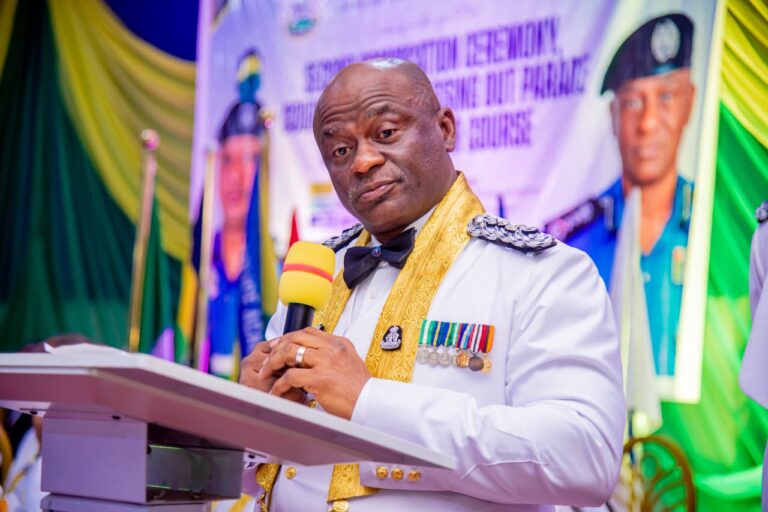
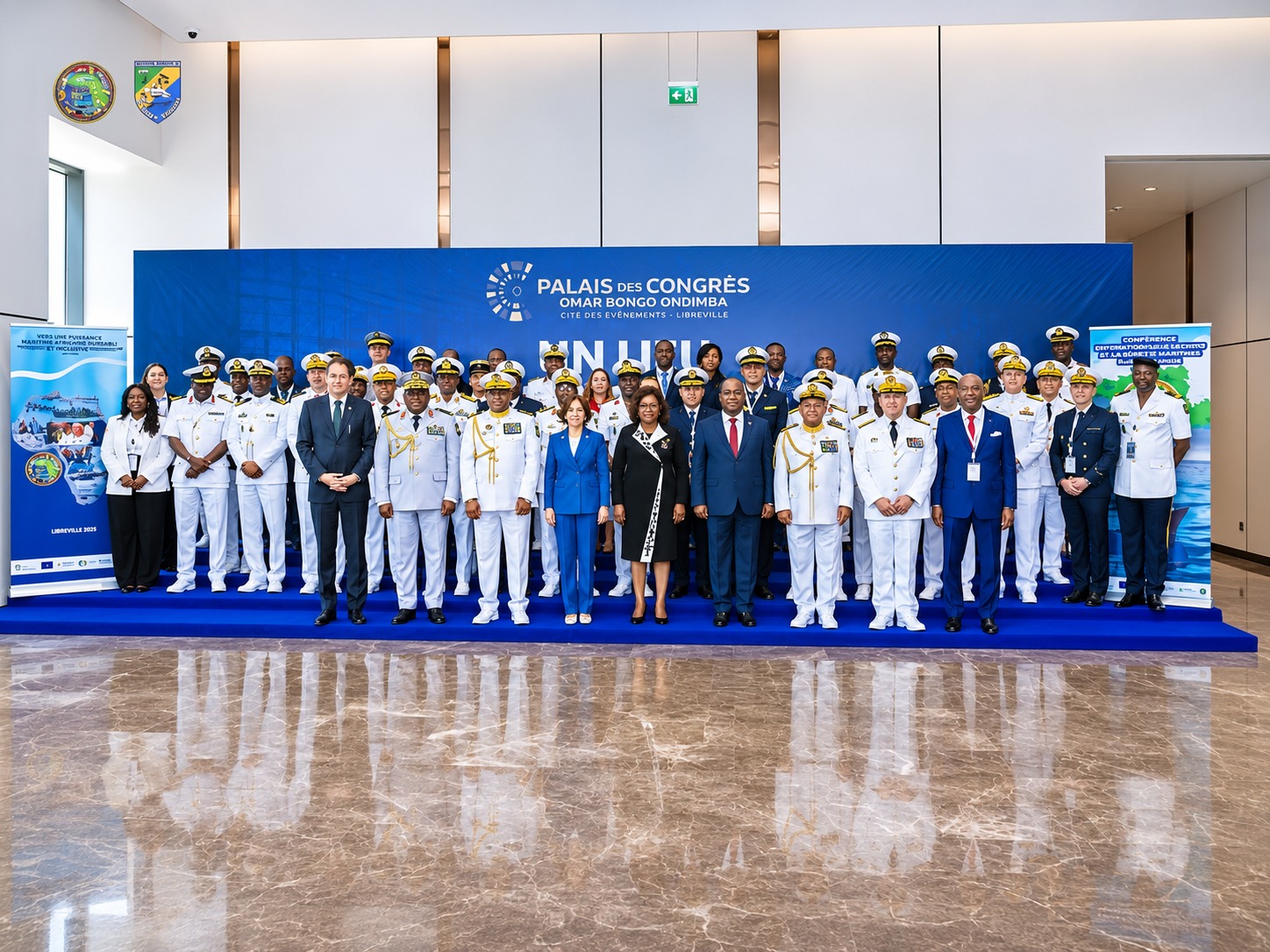
The Chief of the Naval Staff (CNS), Vice Admiral Idi Abbas AM, made the call at the 10th Symposium of Heads of Navies and Coast Guards in the Gulf of Guinea, held in Libreville, Gabon, from November 18 to 19, 2026.
Addressing participants on the theme, “Towards an Integrated Regional Naval Force: Which Capabilities Should Be Pooled?”, Abbas said countries in the region needed to turn existing security commitments into practical, coordinated operations.
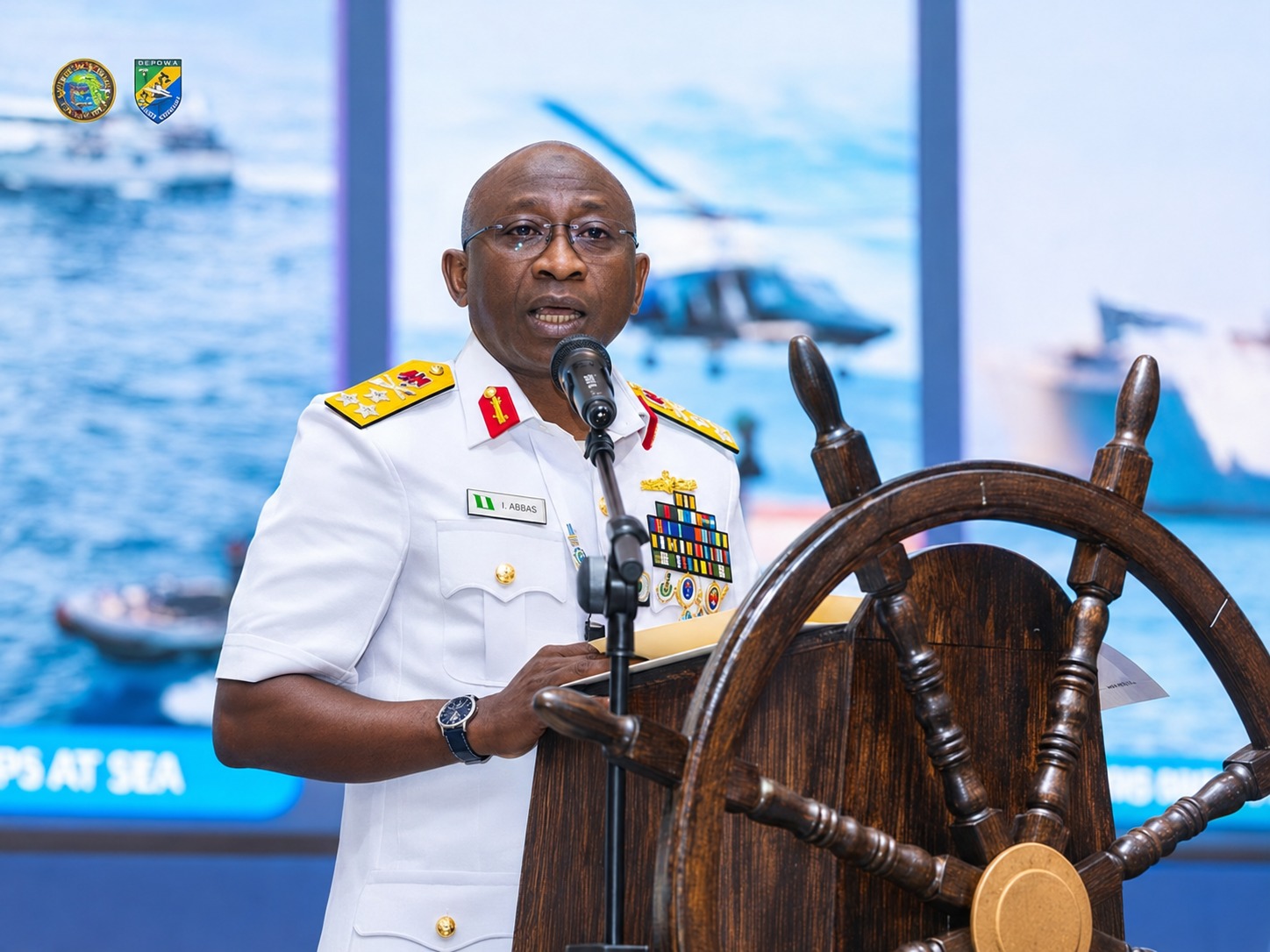
He identified intelligence sharing, maritime surveillance, joint patrols, shared naval and air assets, as well as common logistics arrangements as areas where regional navies could work together to improve security at sea.
A major part of his presentation centred on the Combined Maritime Task Force (CMTF), which was flagged off on June 1, 2026, by the President and Commander-in-Chief of the Armed Forces of the Federal Republic of Nigeria, His Excellency, Asiwaju Bola Ahmed Tinubu, GCFR.
Abbas described the task force as a practical way for African countries to combine their resources and respond collectively to security challenges in their waters.
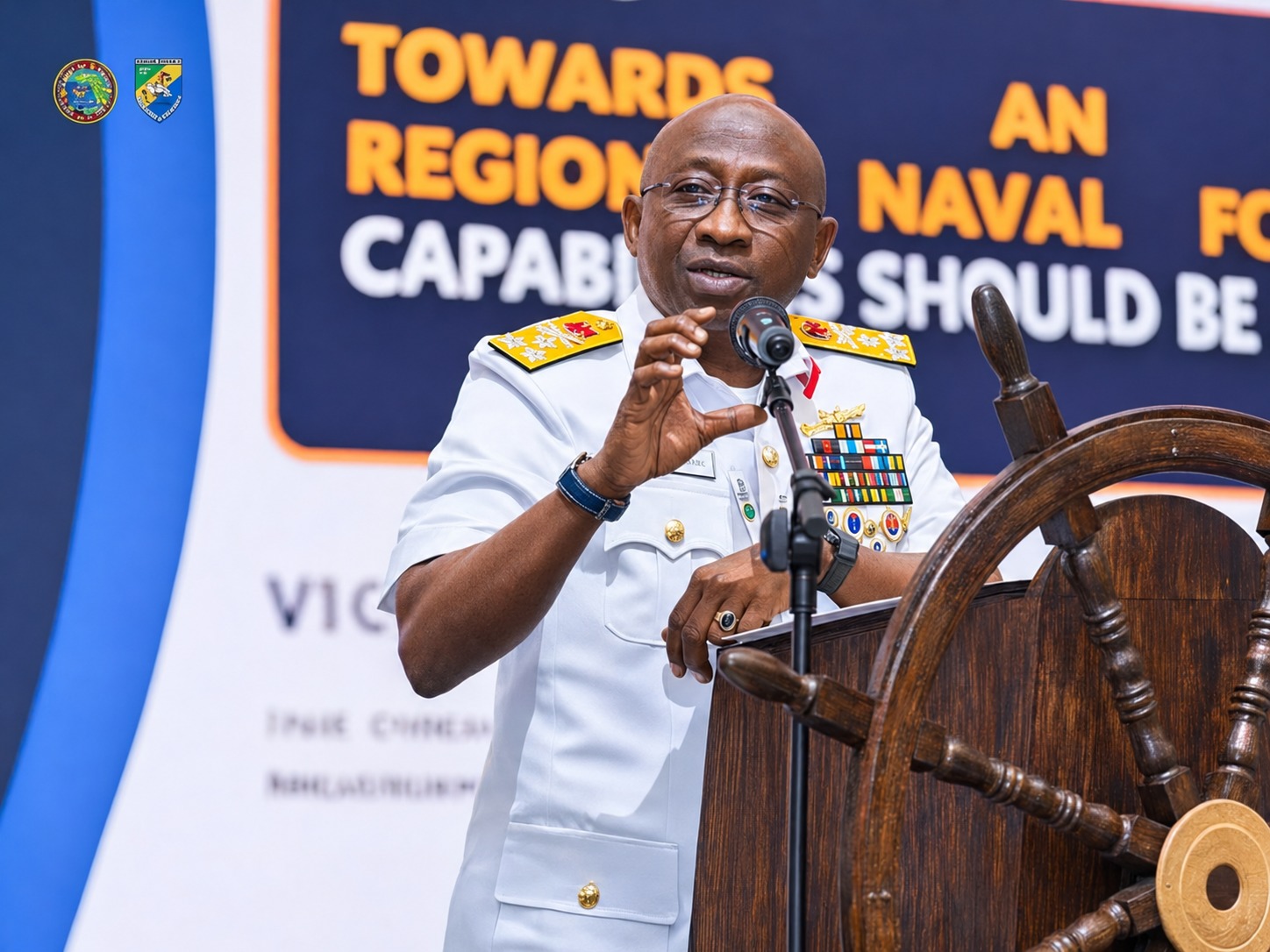
He also outlined the Nigerian Navy’s planned contribution to the initiative, which includes a helicopter-capable Offshore Patrol Vessel, one helicopter, two fast interceptors and maritime domain awareness support through the Falcon Eye System, alongside other strategic capabilities.
To ensure the initiative produces results, the CNS proposed that participating countries agree on a six-month timeline for developing a joint operational plan.
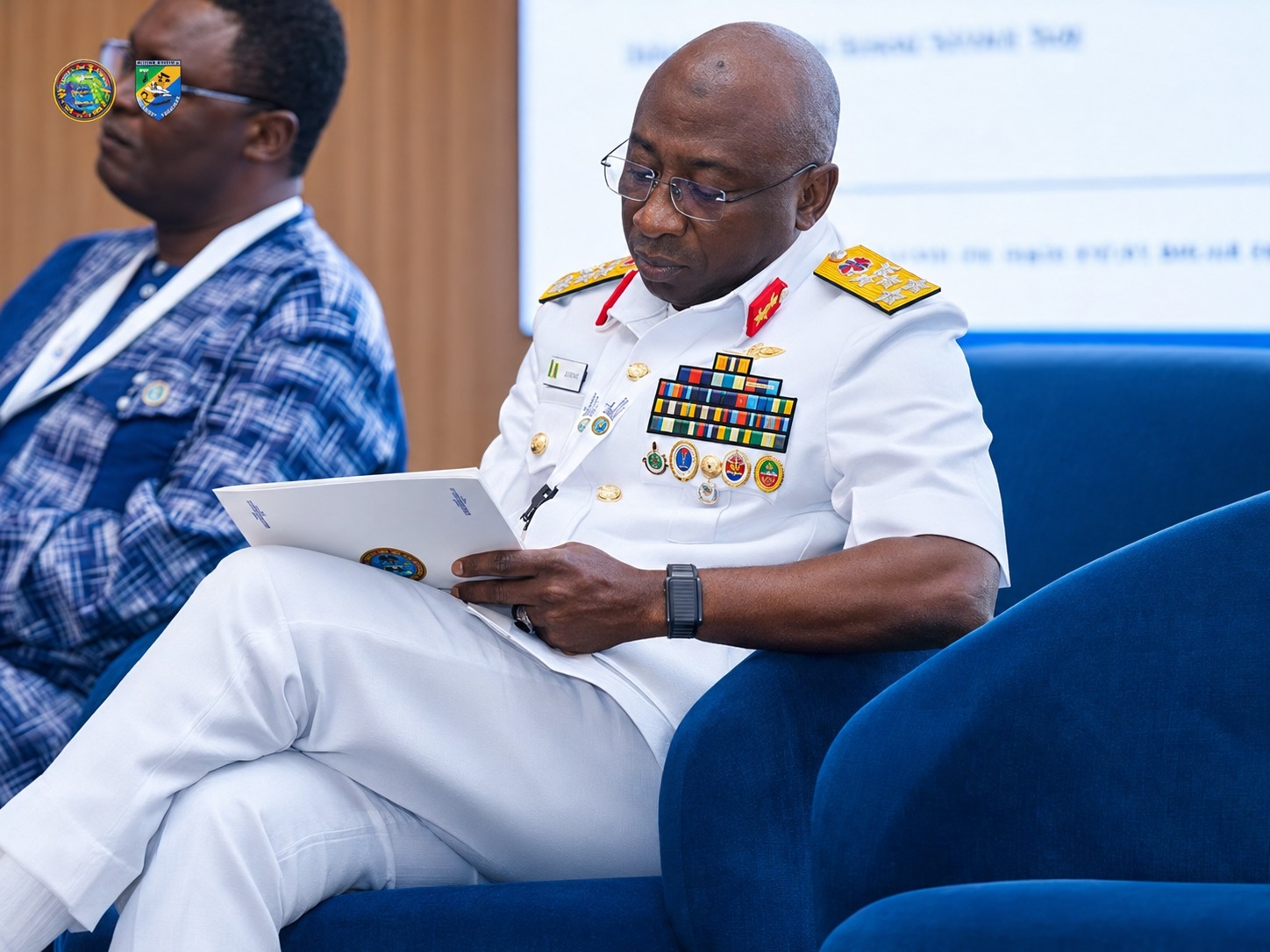
The plan, he said, should spell out the assets each country would provide, when and where they would be deployed, how intelligence would be shared and the arrangements for logistics support.
He acknowledged that differences in the capabilities of participating countries, funding challenges and the need for effective coordination could affect implementation. However, he maintained that these obstacles could be addressed through shared responsibility and sustained commitment from political and military leaders.
For Abbas, the success of regional cooperation should not be judged by the number of agreements signed, but by how effectively countries can bring their resources together to confront common threats.
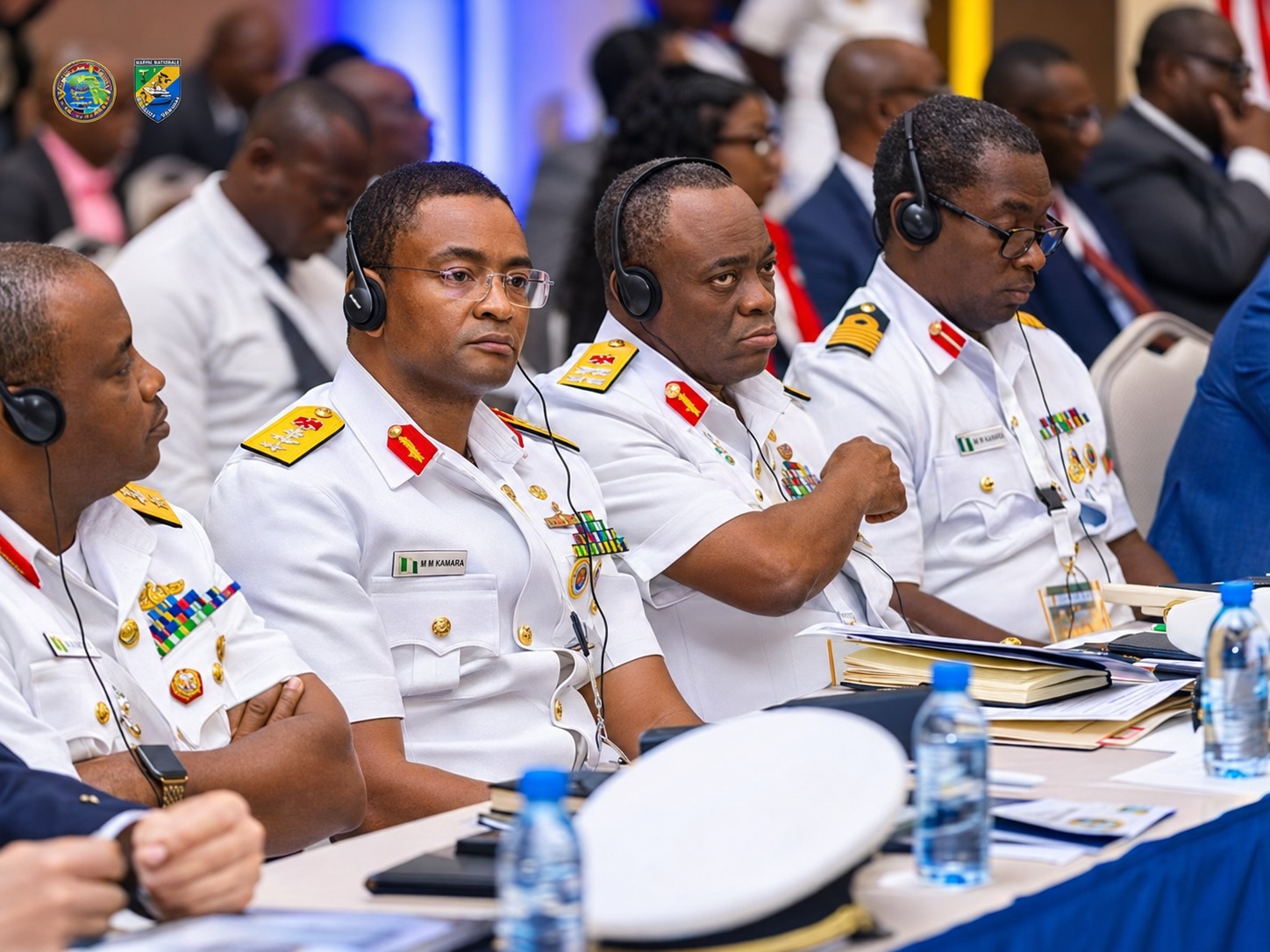
His remarks reaffirmed the Nigerian Navy’s commitment to stronger partnerships and coordinated maritime security efforts, with the broader goal of protecting vital trade routes and creating safer waters for economic activities across the Gulf of Guinea.
The statement was signed by Abiodun FOLORUNSHO, Navy Captain, Director of Naval Information.
About the Author