 Odita Sunday




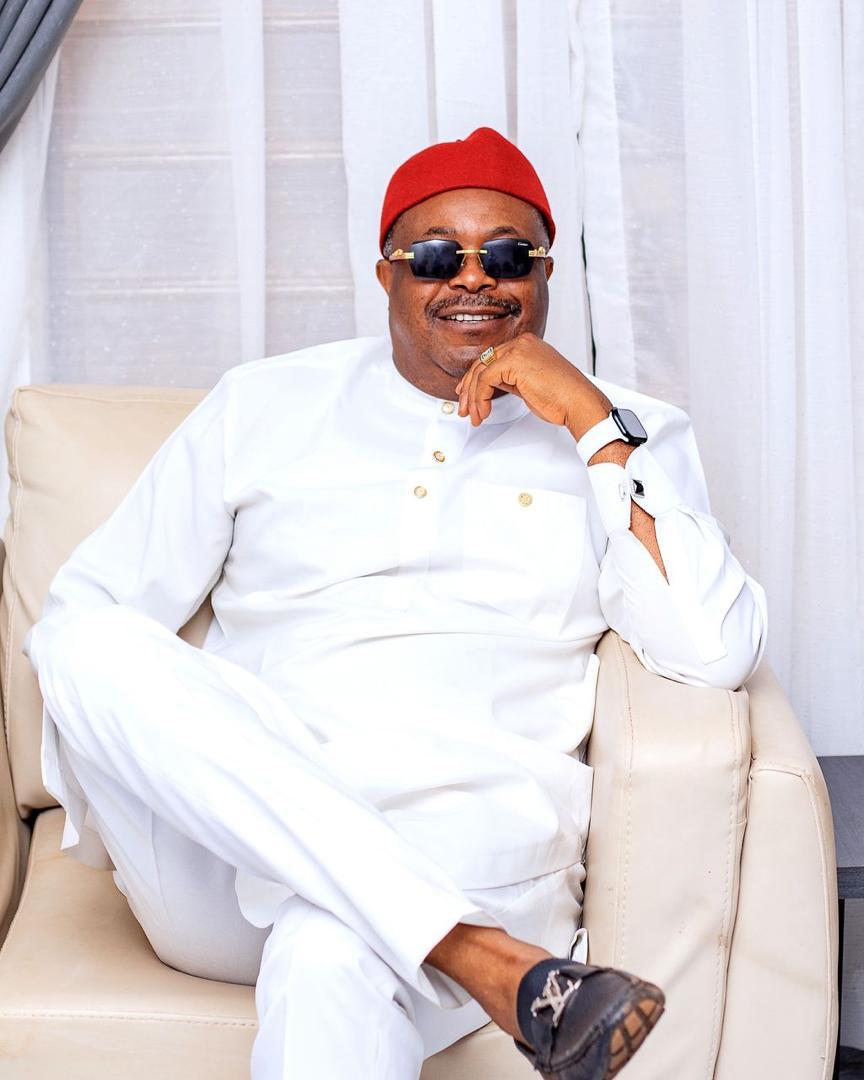
By Dr Chris Okobah, Award-Winning Author
President Tinubu, when questions were raised about how few states you visited during your earlier campaign, one argument made in your defence was that you would focus on governance. Many of us said Nigerians would eventually judge that argument by what your government did when they needed it most. Now that your campaign is taking you to more states, you have an opportunity to answer them in person.
I welcome a president travelling across the country to make his case. But a campaign must allow citizens to speak about what they are living through. What do you tell a mother who buys less food each week with the same money? What do you tell a father whose child was taken from school and who still waits for a call? What do you tell a young person who cheers at a rally and doubts that the vote he casts will count?
These are the questions that should follow you from state to state.
What does a presidential visit mean to a grieving family?
Your aides explained what happened in Jos as a scheduling issue. Put yourself in the place of a family waiting for the president to sit down with them after they have buried someone they love. They may want to tell you what happened, what they believe could have been prevented and what they fear will happen again. Time set aside to hear them is part of the work of governing.
I thought of Yelwata. Nigerians spoke up about what the community had suffered. You went to Benue and stayed in Makurdi. Rain and flooding were cited as reasons you could not reach Yelwata. The people there still had a question. When would you come to hear from them where it happened? And whether or not you could make the journey that day, what protection would they have when they returned to their homes and farms?
There were questions about Warri, too. In Kebbi, families endured the agony of waiting for news after schoolgirls were abducted. Their return was a relief to all of us. Other families are still waiting for their children. They deserve regular updates from the authorities, clear information about the efforts to bring them home and a government that keeps working on their cases after public attention has moved elsewhere.
The thought often attributed to Ralph Waldo Emerson applies here. What you do speaks so loudly that people can scarcely hear what you say. A grieving family will remember whether anyone came back, whether the promises made on the day were kept and whether they feel safe enough to send their children to school again.
What have the reforms delivered?
Across the North, the people raising questions about hunger, poverty and deprivation are telling you what they want this campaign to address. Your administration points to NELFUND and to the economic reforms it has undertaken. A student who can continue an education because of a loan has gained something worth defending. That same student may go home to a family struggling to put dinner on the table. Both realities deserve an answer.
You told Nigerians that your reforms would free up capital. How much did the government save after removing the fuel subsidy? How much did it borrow over the same period, on what terms, and what projects did the borrowing finance? What has been completed, and where can citizens see the results? When revenue falls short, which commitments are being deferred, and which costs are being passed on to the public?
Publish figures that citizens can follow from the budget to the project. A community should be able to see what was approved for its road, how much was released, who received the contract and when the work is due. International lenders, too, should explain what their financing has delivered for the people who will ultimately repay it.
Your administration can point to a favourable credit rating and explain what it means for borrowing. The trader buying less stock, the farmer paying more to take produce to market and the worker whose salary runs out before the end of the month have a further question. When will the gains you describe reach them, and what will you do if they do not?
Who has the right to promise another person’s vote?
Whenever I hear crowds chanting Peter Obi’s name, I wonder how many people in that crowd still believe their votes will count on election day. A rally can show enthusiasm. Trust is what gets a citizen to the polling unit and gives that citizen reason to believe the result recorded there will survive collation.
I am troubled by accounts of Nigerians being offered ₦50,000 for their voter cards. The explanation attributed to some of those who accept is painful. They believe their vote will be wasted anyway, so they might as well take something home. Before we condemn that voter, consider what years of hardship and distrust have done to make that calculation seem reasonable. Then ask who is offering the money and what they expect to gain.
₦50,000 can buy food when the kitchen is empty or pay for medicine when a child is sick. That immediate need is precisely what makes the offer so exploitative. The person paying can walk away after a single transaction. The family will still face the cost of food, medicine and school fees long after the election.
Nyesom Wike, the Minister of the Federal Capital Territory, reportedly offered ₦10 million to each councillor who delivers their ward for President Tinubu in the 2027 election. He defended the offer as a reward for political mobilisation. The details matter. Who would provide the money? What would a councillor have to do to earn it? Would payment depend on organising campaign activities or on the result declared in the ward? The electoral authorities should establish the facts and determine whether the offer complies with the law
In Edo State, Governor Monday Okpebholo declared that the state would deliver 2.5 million votes for President Tinubu and urged APC members to mobilise their families, friends and associates. A party can set a target and work hard to persuade voters. Every one of those 2.5 million decisions still belongs to an individual citizen. The governor has one vote of his own. With what authority does he speak with certainty about everyone else’s?
Citizens should be able to see what was recorded at their polling unit and follow those figures through each stage of collation. If a figure changes, they should be able to see where it changed, who authorised the change and why. The stronger those safeguards are, the harder it becomes to convince a struggling voter that the only value left in a voter card is what someone will pay for it.
In Asaba, an attack on a rally organised by supporters of the Nigeria Democratic Congress left one person dead and others injured, according to reports citing the police. The police announced an investigation. The Delta State Government and the APC condemned the attack. The family of the person killed deserves to know who carried it out, whether anyone organised or financed it and what the authorities are doing to hold those responsible to account.
A citizen should be able to attend an opposition rally, listen to a speech and return home safely. That freedom belongs to supporters of every party. If a family has to ask whether it is safe to let a son or daughter attend a rally, political violence is already shaping who gets to participate.
Anyone who recruits young people to intimidate opponents should ask what happens when the campaign ends. The offices close and the politicians move on. Some of the people given weapons and taught that violence brings money and protection will remain in those communities. The traders opening their stalls, the motorists taking those roads and the children walking to school are left to live with the consequences.
What will Nigerians be able to hold you to?
Mr President, every campaign stop gives you the chance to answer for a record and make commitments that citizens can check. Tell the families of abducted children when they will next hear from the authorities. Tell communities that have suffered attacks what has been done to protect them and where the response fell short. Publish an account of the subsidy savings and new borrowing. Tell voters how they will be able to trace the results they watched officials record at their polling units.
Put dates to those commitments. Name the officials responsible for carrying them out. Then come back to the same communities and answer for what was done.
And to the person being offered ₦50,000 for a voter card, I understand what that money can mean when a child needs medicine or there is nothing in the kitchen. The person offering it also understands your circumstances. When the money is gone, you will still need a hospital that works, a road you can travel safely and a government you can call to account.
Do not trade your voice for a plate of porridge. You will need that voice long after the plate is empty.
Chris Okobah PhD
Award winning author
If you believe in good governance and a better Nigeria, please share this article.
About the Author