 Odita Sunday




YASA Foundation targets vulnerable Nigerians with healthcare, education, empowerment initiatives
By Odita Sunday
The YASA Foundation has unveiled plans to expand access to healthcare, inclusive education, rehabilitation, skills development and economic empowerment for persons with disabilities and other vulnerable groups across Nigeria.
The foundation said its interventions would focus on improving the quality of life of underserved populations, protecting vulnerable children, women and older persons, while promoting dignity, equal opportunities and social inclusion.
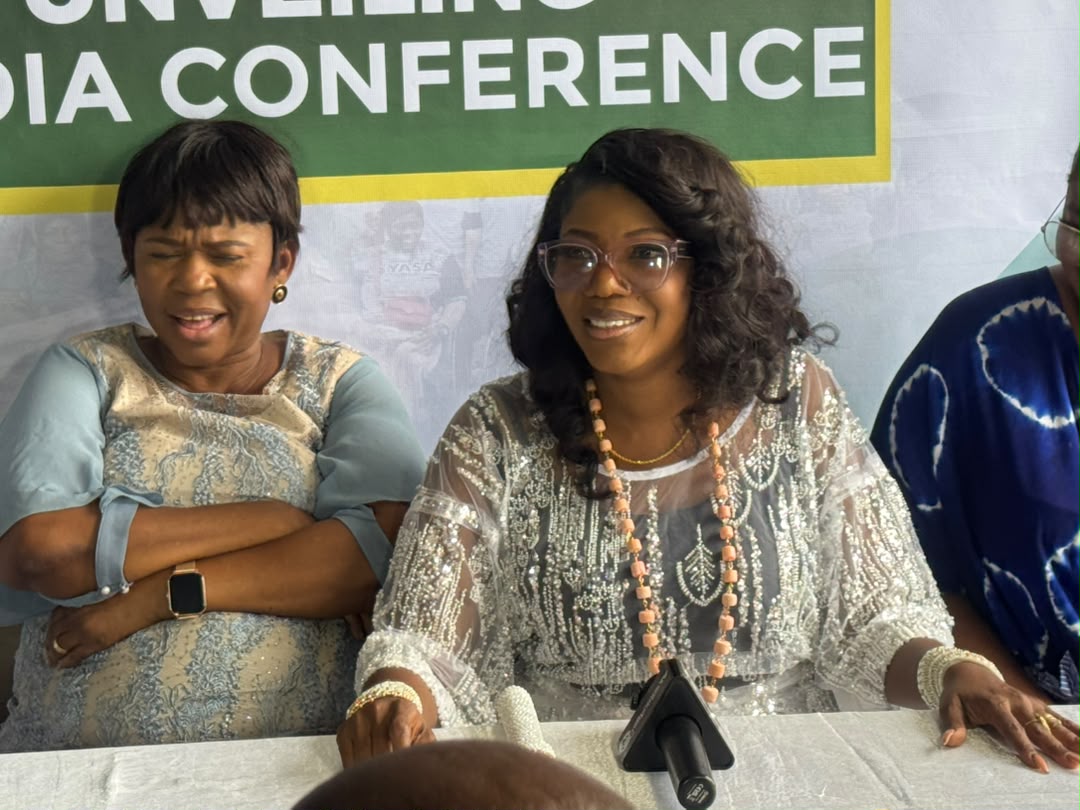
Founder of the foundation, Yeye (Dr) Afolashade Shona-Aluko, disclosed this on Tuesday during a press conference ahead of the organisation’s unveiling and official launch scheduled for Saturday, November 14, 2026, at the Radisson Blu Hotel, Ikeja, Lagos State.

Shona-Aluko, also known as Yeye Bobajiro Oodua, said the foundation was established out of the conviction that every individual deserved dignity, respect, opportunity and the chance to live a meaningful life, irrespective of physical condition, social background or economic circumstances.
She noted that persons with disabilities continued to encounter barriers to education, mobility, healthcare and meaningful participation in society, while vulnerable children, women, elderly persons and underserved communities required stronger support systems.
“Development cannot be truly meaningful if certain segments of society are continually left behind,” she said.
According to her, the foundation’s vision is to build a society where everyone is valued, included, empowered and given a fair opportunity to thrive.
She stressed that disability should not limit human dignity, poverty should not determine an individual’s future, and vulnerability should never become a basis for exclusion.
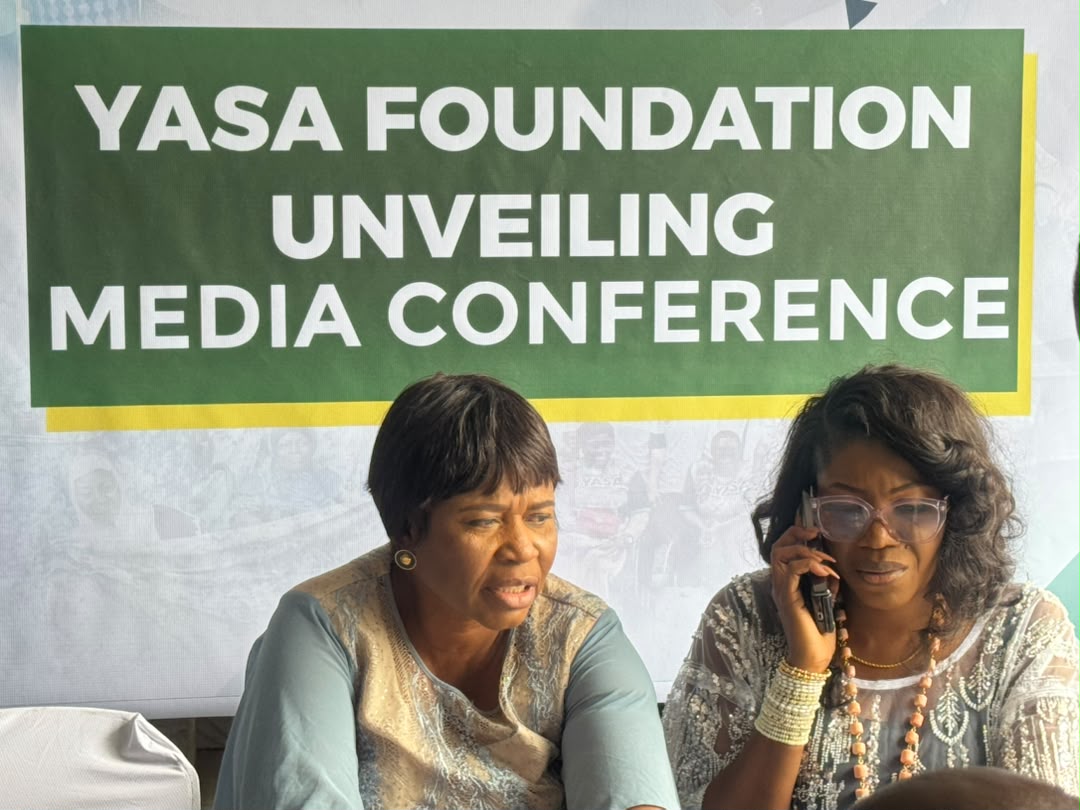
Outlining the foundation’s strategic priorities, Shona-Aluko identified five major areas of intervention: healthcare, rehabilitation and assistive support; inclusive education, skills development and livelihood opportunities; protection and advocacy; disability inclusion and social awareness; as well as partnerships, institutional development and sustainability.
She explained that the healthcare component would promote access to essential medical services, rehabilitation and assistive devices to improve mobility, independence and the overall well-being of persons with disabilities.
On education and economic empowerment, she said the foundation would pursue initiatives that expand access to inclusive learning, vocational training, skills acquisition and sustainable livelihood opportunities.
She added that its protection and advocacy programmes would address abuse, neglect, exploitation and discrimination against vulnerable children, women, older persons and persons with disabilities.
The founder also emphasised the need to challenge negative stereotypes surrounding disability and encourage communities to embrace equality, accessibility and inclusion.
Shona-Aluko disclosed that the foundation’s commitment to humanitarian service was informed by previous interventions, including health outreach programmes across Lagos State, where children living with cerebral palsy received physiotherapy and speech therapy support.
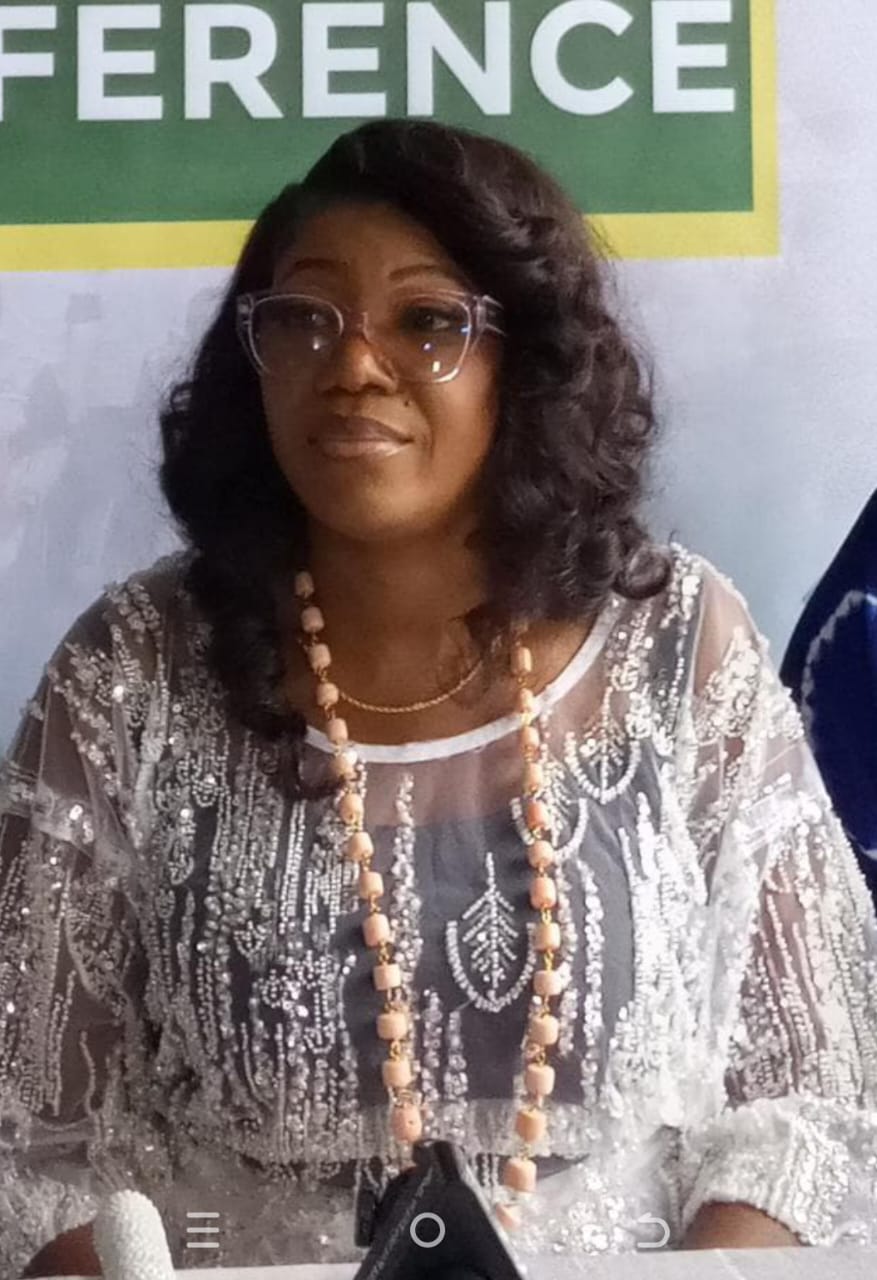
She said the foundation had also distributed white canes to persons with visual impairments and undertaken training and empowerment initiatives for persons with disabilities and other vulnerable members of society.
“YASA Foundation is not being established merely to make promises. We are determined to translate our vision into practical interventions that will touch lives, raise hope and create opportunities,” she declared.
She explained that the experiences gained from previous humanitarian engagements reinforced the need for a structured platform capable of sustaining and expanding interventions for vulnerable populations.
On the forthcoming launch, the founder said the November 14 event would formally introduce the foundation, unveil its identity, present its strategic direction and provide an opportunity to engage stakeholders committed to humanitarian development and social inclusion.
The event is expected to attract government representatives, traditional rulers, development partners, philanthropists, disability inclusion advocates, corporate organisations and other stakeholders.
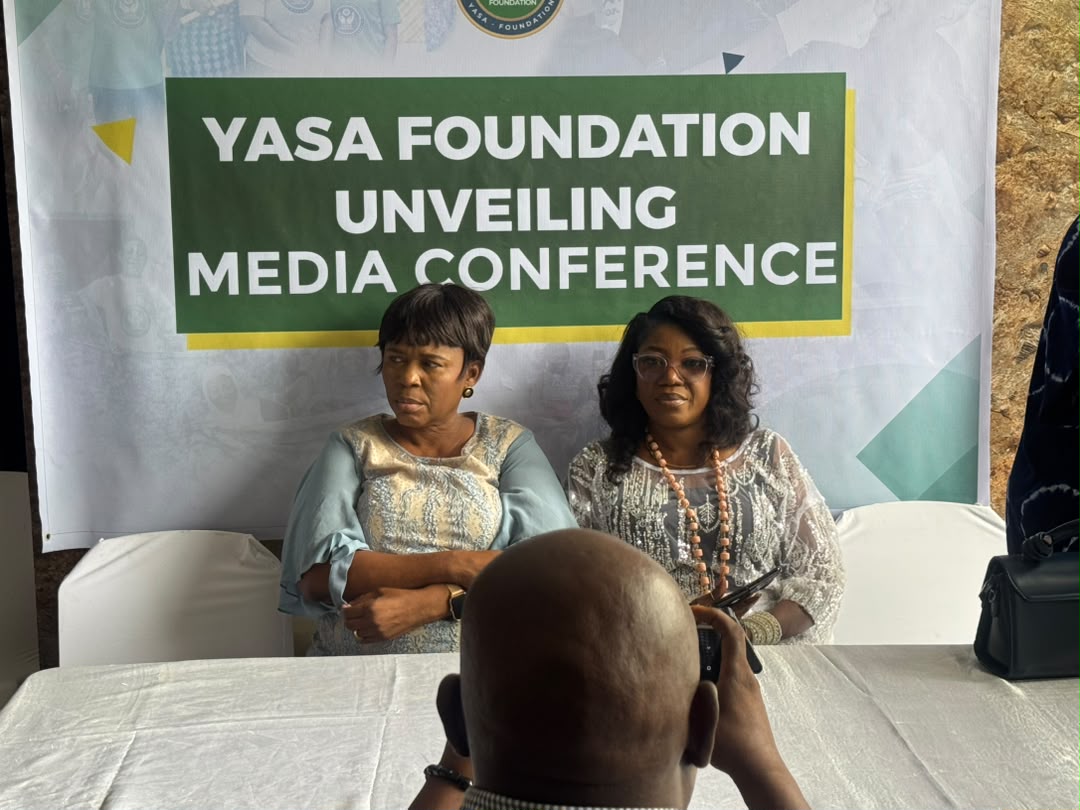
Shona-Aluko called on governments at all levels, corporate organisations, international development agencies, philanthropists, traditional and religious institutions, as well as individuals, to support the foundation through strategic partnerships, programme sponsorship, technical assistance, capacity building and advocacy.
She urged corporate organisations to make social inclusion an essential component of their corporate social responsibility initiatives, while calling on government institutions to strengthen policies and programmes that protect vulnerable populations and promote equal opportunities.
She also appealed to development partners and philanthropists to invest in initiatives that would equip vulnerable individuals with the tools and opportunities to become independent and productive members of society.
Addressing media organisations, Shona-Aluko urged journalists to amplify the voices, challenges and achievements of persons with disabilities, vulnerable children, disadvantaged women and other underserved groups.
“Let us collectively tell stories that promote dignity rather than pity, empowerment rather than dependency, and inclusion rather than discrimination,” she appealed.
She maintained that the true measure of a society was not only reflected in the achievements of its privileged members but also in how it treated vulnerable and disadvantaged people.
The founder said the foundation was determined to contribute to building a society where children with disabilities could pursue their dreams without limitations, vulnerable women could access economic opportunities and older persons could live with dignity.
She described YASA Foundation as more than another humanitarian organisation, saying it was established to provide hope, restore dignity, open opportunities and create lasting social impact.
The official unveiling and launch will hold at 11:00 a.m. on Saturday, November 14, 2026, at the Radisson Blu Hotel, Ikeja, Lagos State.
Shona-Aluko urged Nigerians and development stakeholders to identify with the initiative, stressing that building a compassionate and inclusive society required collective commitment and sustained action.
About the Author