
 Odita Sunday


2027 Elections: IGP Urges police chiefs to remain neutral, prepared, accountable

By Odita Sunday
The Inspector-General of Police, IGP Olatunji Rilwan Disu, has unveiled a six-point roadmap for securing the 2027 general elections, directing senior police officers to strengthen intelligence gathering, training, inter-agency cooperation, communication, community engagement and neutrality.
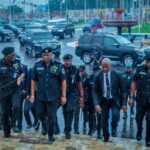
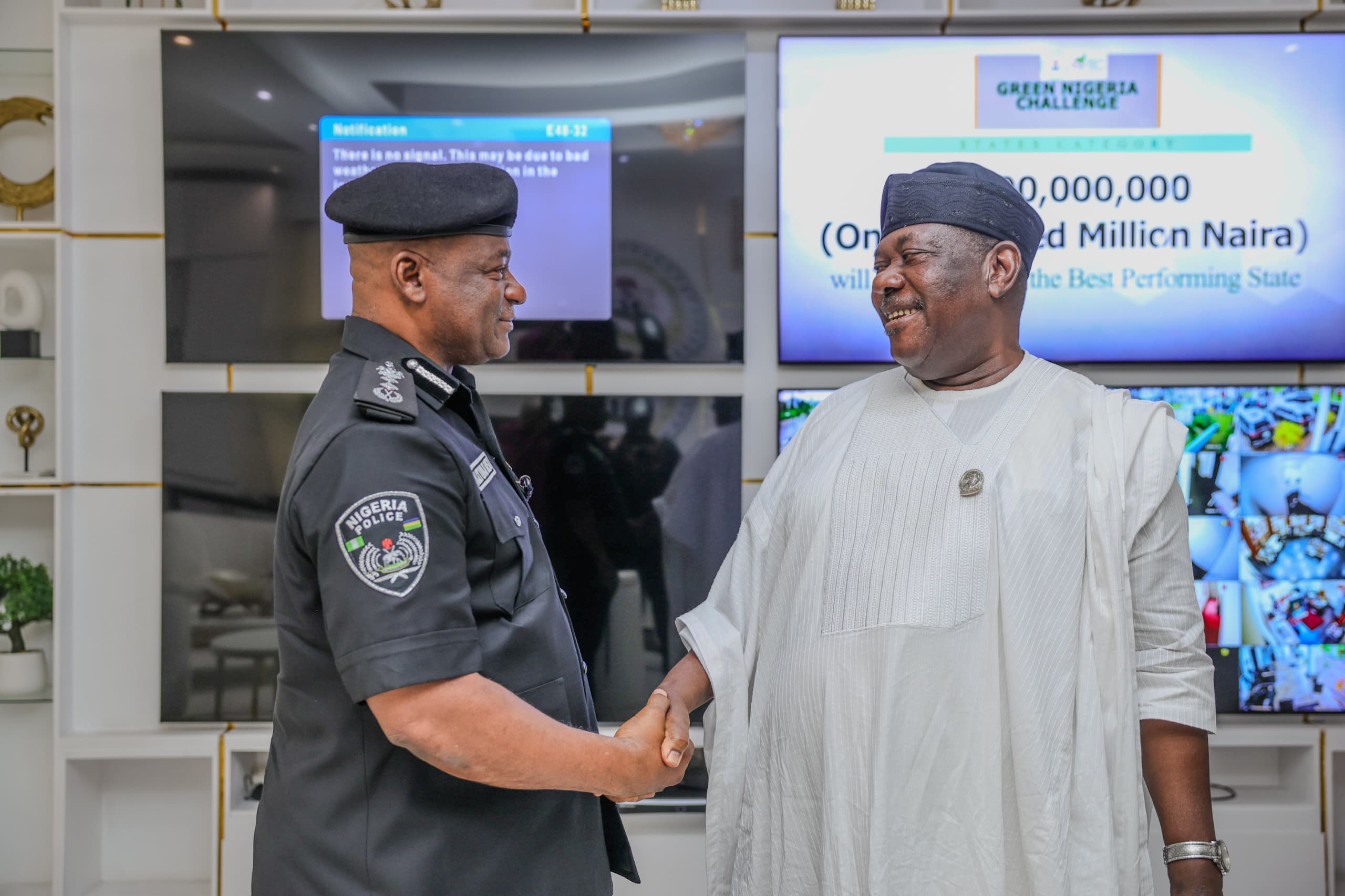
Disu gave the directive on Monday at the opening ceremony of the 2026 Conference and Retreat for Senior Police Officers (CARSPO 2026), held in Owerri, Imo State.
The conference, themed “Developing a Nigeria Police Roadmap for Effective Management of Security During Elections,” brings together senior police officers to develop strategies for managing security before, during and after the 2027 elections.
According to the IGP, the Presidential and National Assembly elections are scheduled for January 16, 2027, while the governorship and state assembly elections will hold on February 6, 2027.
He said the safety of the elections would depend largely on the officers participating in the retreat, urging them to develop a practical and coordinated security framework.
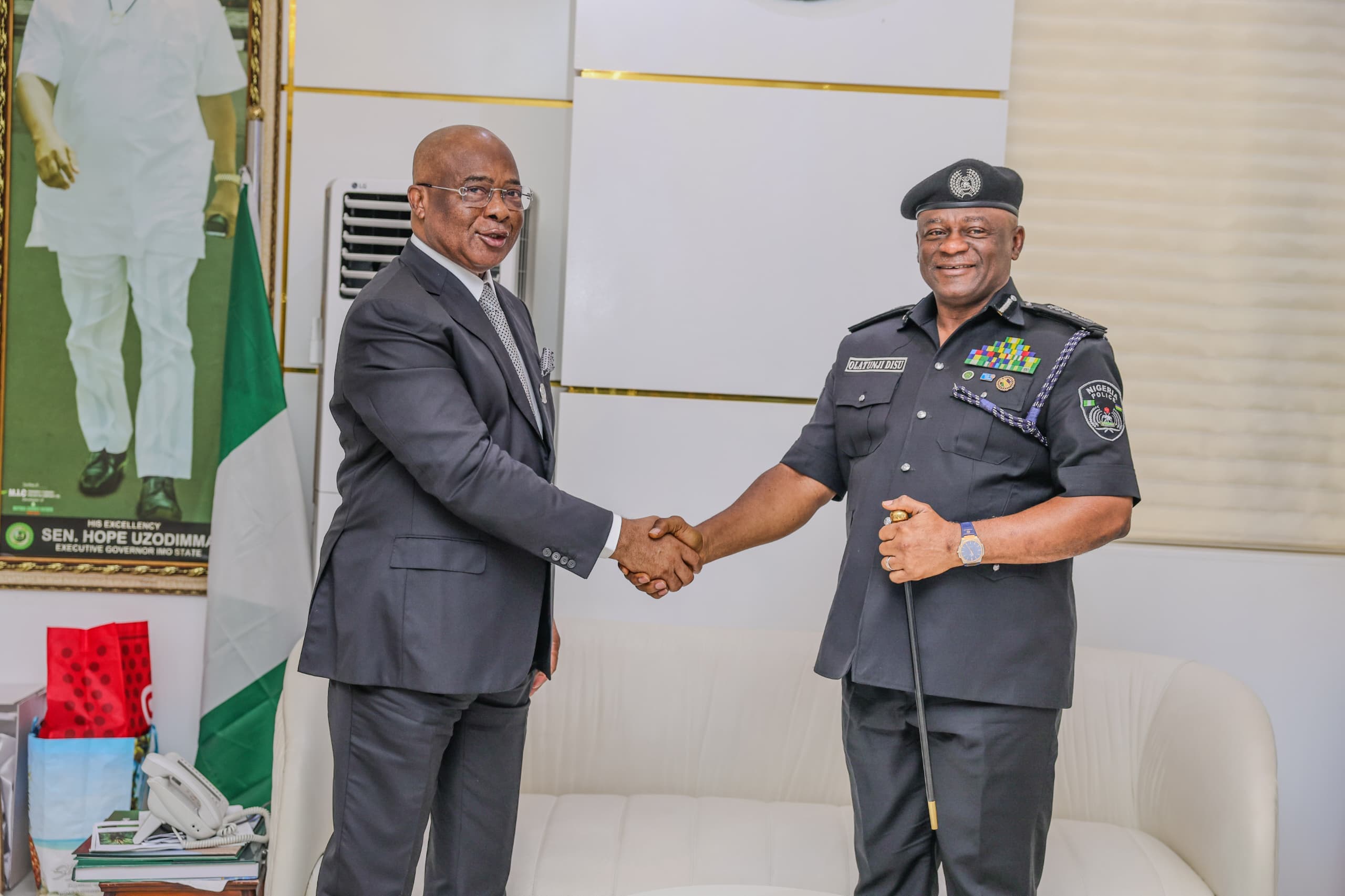
Disu thanked Imo State Governor, Senator Hope Uzodimma, for hosting the conference and Lenders Consult Nigeria Limited for supporting the sixth edition.
He also commended President Bola Tinubu for his support for the Nigeria Police Force in the areas of welfare, equipment, recruitment and funding.
“Mr President, we hear your charge for free, fair, credible and peaceful elections. The Nigeria Police Force will deliver on it,” the IGP stated.
The police chief paid tribute to officers who had lost their lives in the line of duty, pledging that the welfare of their families and serving personnel would remain a priority of his leadership.
Disu disclosed that since he assumed office in February 2026, police officers had arrested 251 terrorists and suspected bandits, 343 murder suspects, 566 armed robbery suspects and 483 suspected cultists.
He added that the Force had rescued 1,066 kidnap victims and recovered 947 firearms and more than 22,000 rounds of ammunition during the period.
While commending the officers for their operational efforts, the IGP acknowledged that kidnapping, banditry, terrorism and communal violence remained serious threats to Nigerians.
“We will not slow down on these threats because an election is coming. We will fight them and secure the elections at the same time,” he said.
Disu, who spoke on the International Day of Peace, said peace required investment in professionalism, public trust and early intervention, stressing that peace must be built before violence begins.
He explained that election security should cover the entire electoral cycle, including intelligence gathering, planning, training, protection of electoral personnel and materials, violence prevention and rapid response.
The IGP warned politicians and their supporters against using thugs, buying votes, moving arms or threatening voters and electoral officials.
“The Police will act against anyone who does, whatever their status,” he warned.
He further disclosed that the Force would work with the Independent National Electoral Commission, the Economic and Financial Crimes Commission and the Independent Corrupt Practices and Other Related Offences Commission to investigate vote-buying and inducement.
According to him, the police will also collaborate with prosecutors to ensure that suspects arrested for electoral offences face trial.
“Impunity is the greatest encouragement to electoral crime,” Disu stated.
The IGP assured Nigerians that the police would protect their right to vote and disclosed that the Force Public Relations Department would release telephone numbers for a public election complaints line ahead of the 2027 general elections.
Outlining his six-point roadmap, Disu said the first priority was the early activation of intelligence and warning systems, including mapping electoral flashpoints and criminal networks.
He directed Commissioners of Police to understand their communities and ensure that credible intelligence reached command structures in time for appropriate action.
The second pillar, he said, was intensive training for officers in crowd management, protection of electoral personnel and materials, conflict prevention, rapid response and human-rights-compliant policing.
He stressed the need to protect ad-hoc INEC personnel, women, elderly voters and persons with disabilities, noting that citizens must feel safe at polling units.
On the third pillar, joint command, Disu said no single agency could secure an election alone. He directed the police to conduct joint exercises with INEC and sister security agencies while establishing clear lines of communication and command before incidents occurred.
The fourth pillar focuses on rapid communication and technology. The IGP said reliable digital tools must provide real-time reporting, situational awareness and rapid response capabilities.
He also warned about the potential of fake election results, forged police statements and inflammatory videos to trigger violence.
According to him, the police will monitor and counter election-related disinformation, correct false claims with facts and pursue individuals who deliberately incite violence online.
The fifth pillar centres on partnership with communities. Disu said traditional and religious leaders, youths, civil society organisations, the media and ordinary citizens could help identify tensions before they escalate.
He urged police officers to maintain continuous engagement with communities rather than waiting until elections were approaching.
The sixth pillar, neutrality, requires the police to protect citizens and enforce the law without determining political outcomes.
“We will be firm against violence, but always within the law,” he said.
Reflecting on the recent Osun election, Disu said the Force had lessons to draw from the largely peaceful exercise, including isolated incidents, reports of voter intimidation and inducement, as well as operational challenges.
He urged police commanders to examine areas where intelligence, response, training and communication fell short and make the necessary improvements.
The IGP directed Commissioners of Police to ensure that instructions from Force Headquarters reached every officer through regular lectures and briefings.
He also ordered every commissioner to publish an official contact number to enable members of the public to reach them.
“A Commissioner of Police the public cannot reach cannot understand the public’s fears,” Disu stated.
The police chief warned officers against misconduct, reminding them that ignorance of the rules governing their powers would not be accepted as an excuse.
He directed that election-duty allowances be paid on time, duty rotations should allow officers to rest and personnel must understand the rules governing the use of force.
“Force must be a last resort, lawful and proportionate,” he said, adding that officers who took sides, harassed voters, colluded with political actors or abused their powers would face investigation and punishment.
Disu urged police commanders to be proactive, accessible and accountable, stressing that they must not wait for a crisis before engaging communities or addressing misconduct.
He said the retreat must produce a practical framework clearly defining responsibilities, timelines, locations and operational procedures.
“The roadmap must not become another document on a shelf. It must guide our training, deployment, command structure and conduct before, during and after the elections,” he stated.
The IGP also emphasised that election security was a shared responsibility, noting that while the police had a central role, the success of the electoral process could not be left to the Force or INEC alone.
Concluding his address, Disu charged police officers to return to their commands with four guiding principles: “Neutral. Prepared. Present. Accountable.”
About the Author