 Odita Sunday



By Odita Sunday
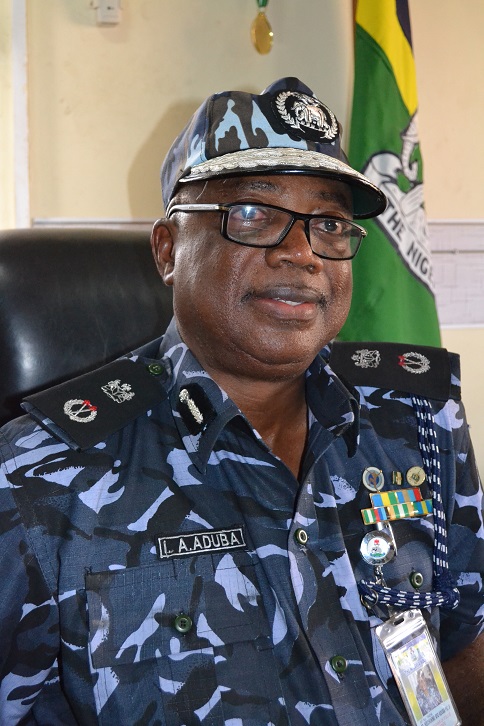
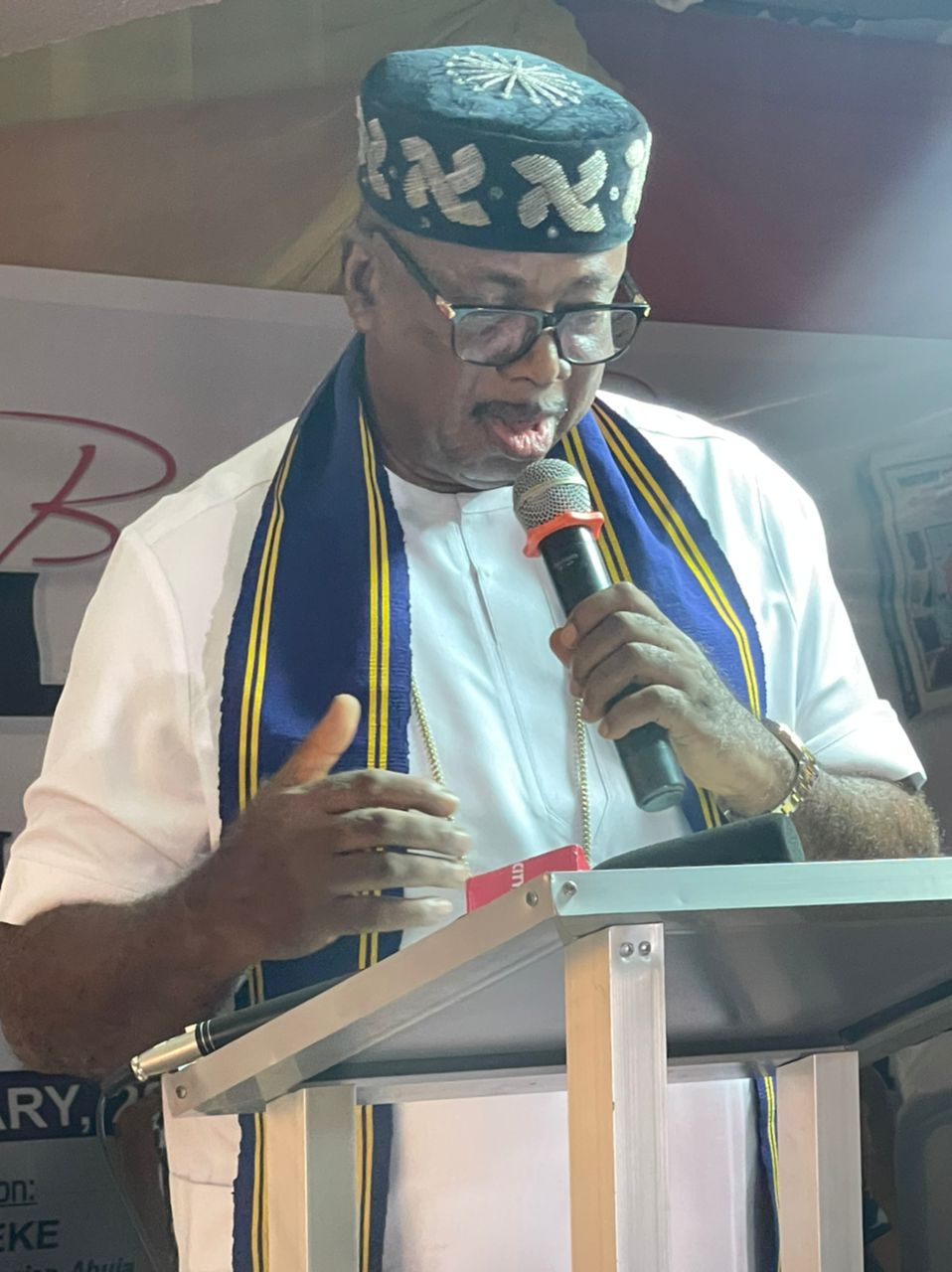
A retired Commissioner of Police, Ikechukwu Ayodele Aduba, has called for greater reliance on archaeology, scholarship and historical evidence in addressing issues of national identity and cohesion in Nigeria.
Aduba made the call in a proposal for a public lecture submitted to the Seashores Global Network (SGN), an international platform focused on leadership, scholarship and strategic dialogue across Africa and the diaspora.
The proposed lecture is titled: “Reclaiming Narrative Power: Archaeology, History, and the Urgent Task of Nation Building,” with a sub-theme focusing on lessons from Igbo-Ukwu and what he described as “historical amnesia.”
The retired police officer said the lecture would address what he considers distortions and misconceptions surrounding indigenous Nigerian history and identity.
He referenced recent comments credited to the Dein of Agbor, His Royal Majesty Benjamin Ikenchuku Keagborekuzi I, regarding Agbor identity and Igbo history, arguing that such narratives risk deepening ethnic division and weakening national cohesion.
Aduba stated that archaeological findings from Igbo-Ukwu, excavated by Thurstan Shaw, provide scientific evidence of an advanced indigenous civilisation dating back to the 9th and 10th centuries.
According to him, radio-carbon dating and metallurgical studies confirmed the antiquity and sophistication of the artefacts discovered at the site.
“The claim that ‘Igbo had no history’ is therefore not a mistake. It is erasure,” he stated.
He further argued that colonial-era historical narratives contributed to divisions among ethnic groups by portraying some societies as lacking political organisation or historical significance.
Aduba also criticised what he described as unequal treatment of Nigerian heritage in global repatriation efforts, noting that while there have been sustained campaigns for the return of Benin bronzes, similar attention has not been given to Igbo-Ukwu artefacts abroad.
He said such selective historical recognition could reinforce perceptions of exclusion and marginalisation.
The retired CP urged Nigerian youths, scholars and diaspora communities to engage more actively in research, storytelling and preservation of indigenous history.
Among his recommendations were the creation of digital archives for Igbo-Ukwu artefacts, inclusion of the site in the national curriculum and stronger government investment in archaeology and heritage protection.
He also called for the establishment of history and archaeology clubs in tertiary institutions to encourage evidence-based engagement with Nigeria’s past.
Aduba maintained that national unity would be strengthened when citizens share a more inclusive and evidence-driven understanding of the country’s historical foundations.
“We are not a young country. We are an old civilisation forced to pretend we are new,” he stated.
About the Author