 Odita Sunday



AFRICANS MUST DEFEND AND REBUILD THEIR CONTINENT – DR. LUKE OKOJIE CALLS FOR A NEW ERA OF AFRICAN PRIDE, RESPONSIBILITY AND TRANSFORMATION
Lagos, Nigeria
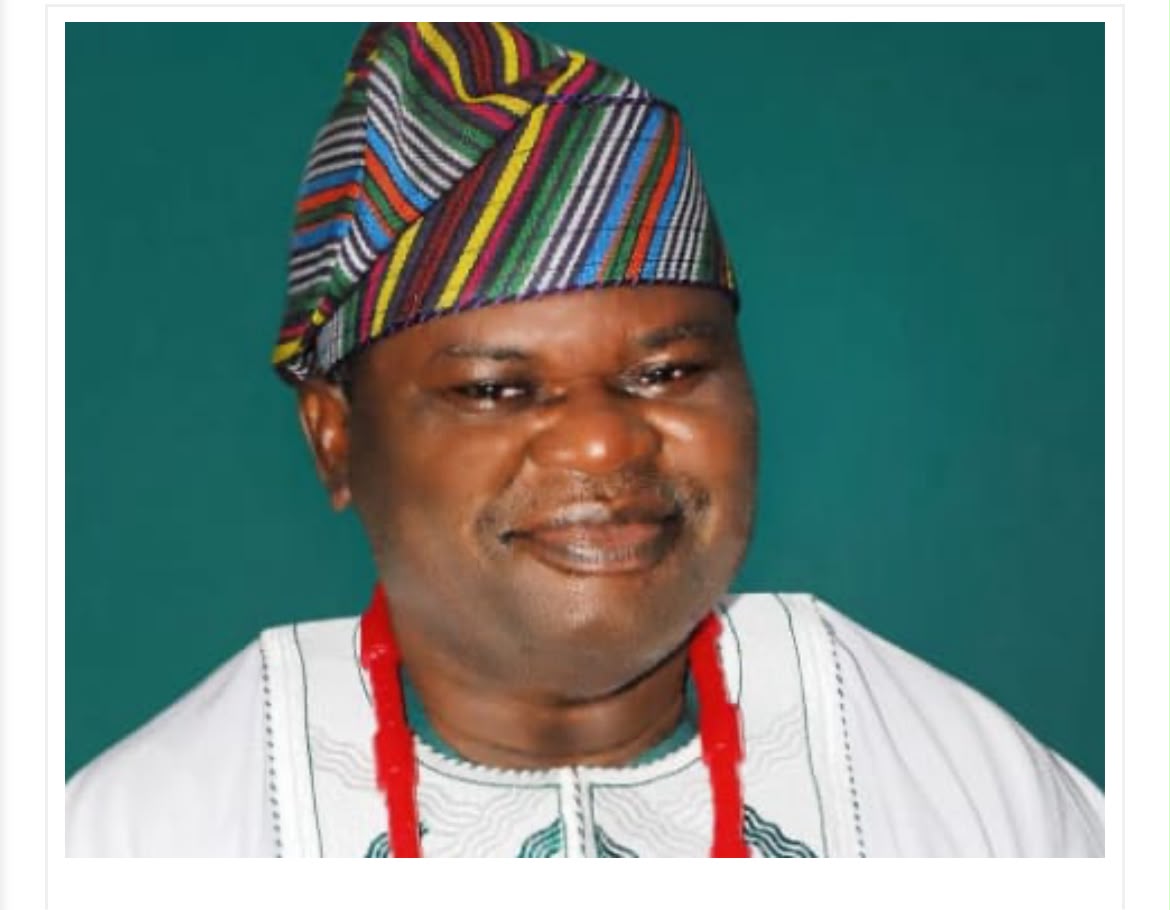
Renowned media entrepreneur, biographer, public affairs commentator, and Chief Executive Officer of Accolade Communications Limited, as well as Publisher of Accolade International Magazine, Dr. Luke Okojie (The Biographer ✓), has called on Africans across the globe to rise above the culture of self-denigration and embrace a renewed commitment to defending, promoting, and rebuilding the African continent.
Speaking on the growing trend of negative narratives about Africa, Dr. Okojie stated:
“Africans must stand up and defend their continent, for nobody can do it for us. You cannot persistently talk down your continent and expect other nationals to do the opposite.”
According to him, while Africa undoubtedly faces numerous developmental challenges, the continent cannot achieve meaningful progress if its own people continuously undermine its image, diminish its achievements, and amplify only its failures before the global community.
Dr. Okojie emphasized that Africa remains one of the most resource-rich regions in the world, endowed with vast human capital, abundant natural resources, diverse cultures, fertile agricultural land, youthful populations, and immense economic potential. Yet, despite these blessings, the continent continues to grapple with challenges that have slowed its pace of development and weakened its position in global affairs.
He identified poor governance, corruption, insecurity, weak institutions, inadequate infrastructure, unemployment, educational deficits, poverty, political instability, and economic dependency as some of the critical issues confronting many African nations. However, he argued that these challenges should inspire collective action rather than fuel hopelessness and self-condemnation.
“Africa’s problems are real and must never be ignored. However, there is a significant difference between constructive criticism and destructive condemnation. Constructive criticism seeks solutions and progress, while destructive condemnation only reinforces stereotypes, discourages investment, weakens confidence, and perpetuates the narrative that Africa is incapable of solving its own problems,” he noted.
The respected publisher further lamented the tendency of some Africans to celebrate foreign achievements while dismissing local innovations, institutions, businesses, and talents. He observed that many successful African entrepreneurs, scholars, scientists, professionals, artists, and innovators are making remarkable contributions globally, yet their stories often receive less attention than narratives of crisis and failure.
Dr. Okojie stressed that the future of Africa cannot be built on perpetual pessimism. Rather, it requires a deliberate commitment to changing mindsets, strengthening institutions, promoting accountability, encouraging innovation, investing in education, and supporting homegrown solutions.
He noted that Africa’s youthful population represents one of its greatest assets. With over a billion people and a rapidly growing workforce, the continent possesses the human resources necessary to drive industrialization, technological advancement, entrepreneurship, and sustainable development. He therefore urged governments, private sector leaders, development partners, and civil society organizations to invest more aggressively in youth empowerment, skills acquisition, digital transformation, and job creation.
Speaking on security concerns across various regions of the continent, Dr. Okojie acknowledged the threats posed by terrorism, insurgency, banditry, violent extremism, organized crime, and communal conflicts. He emphasized that peace and security remain indispensable foundations for economic growth and national development. Consequently, African leaders must prioritize good governance, social justice, inclusive development, and effective security reforms to address the root causes of instability.
On economic development, he called for greater intra-African trade, regional integration, industrial growth, and strategic utilization of the opportunities presented by the African Continental Free Trade Area (AfCFTA). According to him, Africa must move beyond being merely a supplier of raw materials and become a hub for value addition, manufacturing, innovation, and global competitiveness.
Dr. Okojie also highlighted the importance of preserving Africa’s rich cultural heritage while embracing modernization and global engagement. He argued that Africa’s diverse cultures, traditions, languages, and historical achievements should be celebrated as sources of strength rather than viewed as obstacles to development.
Furthermore, he challenged African intellectuals, media practitioners, scholars, and public commentators to play a more responsible role in shaping narratives about the continent. While the media must continue to expose wrongdoing and demand accountability, it must also amplify stories of progress, resilience, innovation, and success that reflect the true complexity of Africa’s development journey.
“The responsibility of transforming Africa does not belong to governments alone. Every African has a role to play. Whether as a student, entrepreneur, professional, public servant, community leader, media practitioner, academic, or member of the diaspora, we all share a collective responsibility to contribute positively to the growth and advancement of our continent,” he stated.
Dr. Okojie further called on Africans in the diaspora to remain active partners in the continent’s development through investments, knowledge transfer, mentorship, advocacy, and strategic collaborations that strengthen local capacities and institutions.
He concluded by reiterating that Africa’s future must be defined by confidence, responsibility, innovation, and collective action rather than despair and negativity.
“Africa’s story is still being written. We must refuse to become ambassadors of hopelessness. Let us become ambassadors of transformation, accountability, excellence, and progress. Let us challenge our leaders where necessary, but let us also believe in our people, support our institutions, celebrate our successes, and work together to build the Africa we desire. The world will respect Africa when Africans first learn to respect, value, and defend Africa.”
As the continent navigates an increasingly complex global landscape, Dr. Okojie’s message serves as a timely reminder that the responsibility for shaping Africa’s future ultimately rests in the hands of Africans themselves. Through unity, visionary leadership, responsible citizenship, innovation, and unwavering belief in the continent’s potential, Africa can overcome its challenges and emerge as a leading force in the twenty-first century.
Signed
Media Office
Accolade Communications Limited
Publishers of Accolade International Magazine.
About the Author