 Odita Sunday

Buratai: Lose the Information War, Lose the Battle — Accepts DECAN Keynote Role
By Odita Sunday
Former Chief of Army Staff, Lt. Gen. Tukur Buratai (retd.), has warned that failure by the military to effectively project its activities and provide timely information could undermine its strategy and ultimately affect the outcome of military operations.
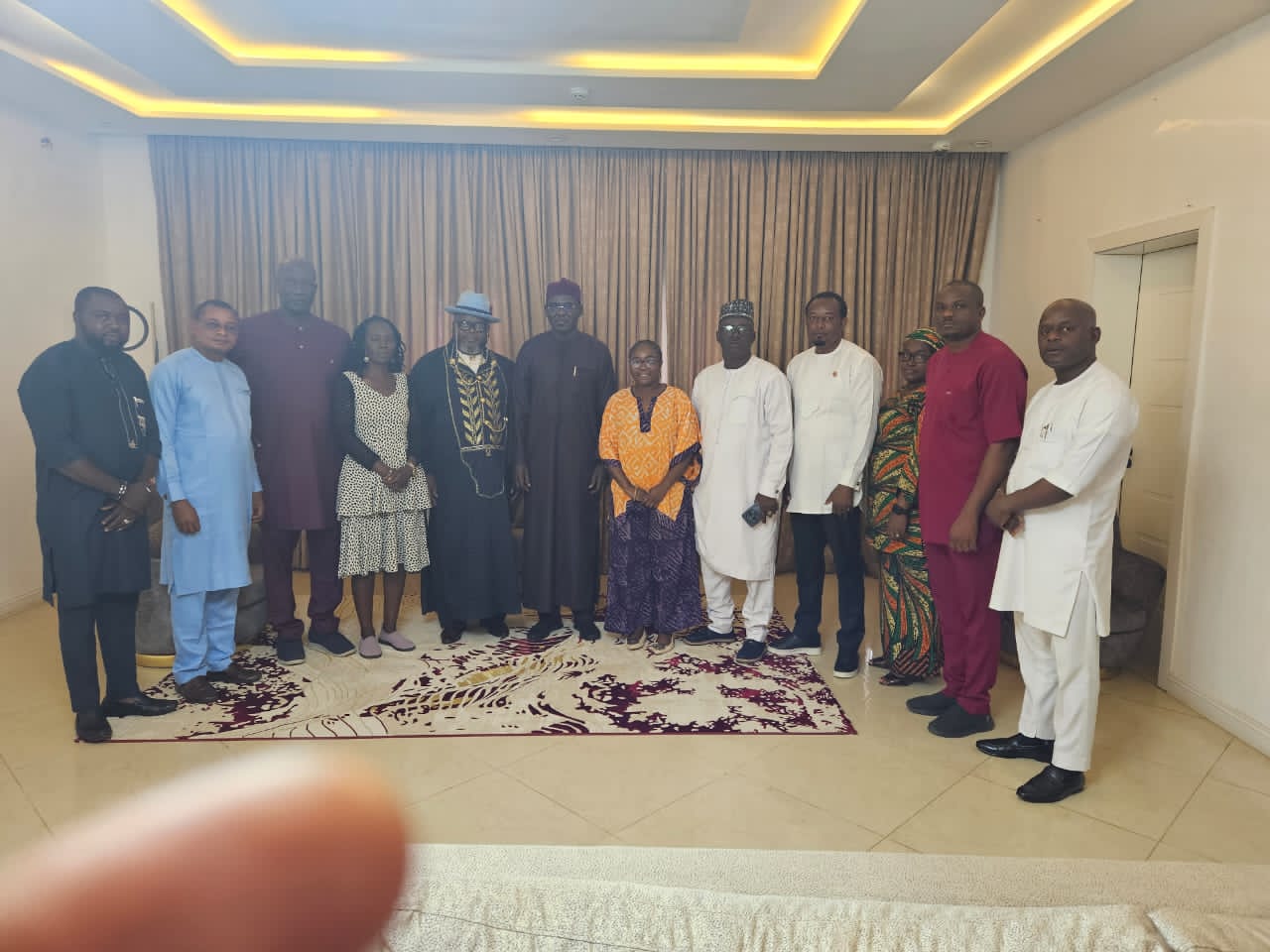
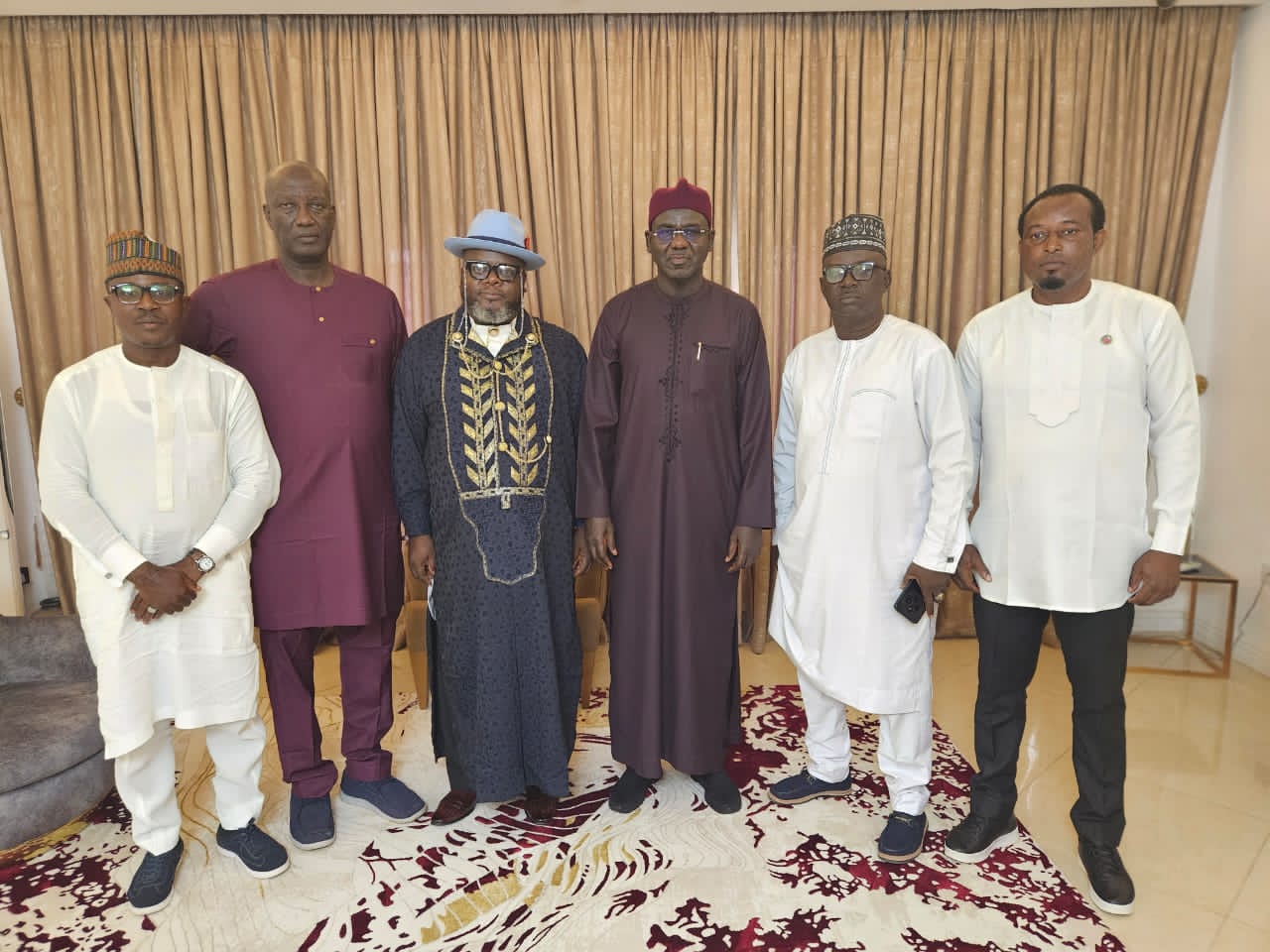
Buratai spoke on Friday when he received a delegation of the Defence Correspondents Association of Nigeria (DECAN) Annual Lecture and Awards Committee, led by the association’s President, Comrade Odita Sunday, during a courtesy visit.
The former Army chief accepted an invitation to deliver the keynote address at the 2026 DECAN Annual Lecture and Awards Ceremony in Abuja, where he is expected to speak on the theme, “Beyond Kinetic Warfare: Harnessing Technology and Intelligence-Led Operations for Nigeria’s National Security.”
Buratai, who was also nominated for the DECAN Distinguished Leadership Award, described the lecture theme as timely and relevant to contemporary security challenges.
He said, “This topic is quite contemporary, beyond kinetic warfare. Harnessing technology and intelligence-led operations for Nigeria’s national security. It’s quite contemporary.”
The former Army chief also stressed the importance of professional associations in protecting the welfare, job security and professional interests of their members, particularly in the media profession.
He noted that defence journalism was especially important because national security remained central to the country’s development, cohesion and unity.
According to him, effective communication could influence the outcome of military operations, warning that an information gap could be exploited by adversaries.
He said, “If you don’t project yourself, if you don’t get your information out as timely as possible, then be reassured that even your battle will be lost. Your strategy will be ineffective, which by implication, your operational execution will also be affected.”
Buratai recalled that during his tenure as Chief of Army Staff, the Nigerian Army deliberately opened its operational theatres to defence correspondents, allowing journalists to accompany troops during military operations.
He said the initiative helped transform the relationship between the military and the media by providing journalists with direct, first-hand access to operations.
He said, “We broke the jinx that you don’t report on the military while in action in Nigeria.”
According to Buratai, the policy was also introduced to counter the propaganda machinery of Boko Haram insurgents, who he said exploited the media to spread their ideology, create fear among citizens and demoralise troops.
The former Army chief recalled an operation in which journalists accompanied his convoy as troops advanced towards Gamboru Ngala after clearing Mafa and Dikwa.
He said the military convoy came under an ambush during the operation, resulting in the death of one soldier and injuries to a general and another soldier.
Buratai said troops subsequently captured some insurgents alive and continued their advance, while journalists reported events directly from the scene.
He said the development helped the military challenge what he described as Boko Haram’s previous dominance of the information and propaganda space.
He said, “Those issues were reported live, and we now broke the Boko Haram information and media propaganda back, so they could no longer have the monopoly to tell the world, to spread rumours.”
Buratai also expressed appreciation to DECAN for nominating him for the Distinguished Leadership Award, describing the recognition as one he deeply valued.
He said, “It’s a recognition that I so much cherish.”
The former Army chief further pledged to sustain his relationship with defence correspondents and expressed readiness to attend the DECAN event and deliver the keynote address.
Earlier, the DECAN President, Odita Sunday, said the delegation visited Buratai to formally notify him of his nomination for the Distinguished Leadership Award and invite him to serve as Guest Lecturer at the 2026 annual lecture and awards ceremony.
Odita said Buratai’s extensive experience in military leadership, national defence and security would add value to discussions on emerging threats and the growing role of technology and intelligence in contemporary security operations.
He said the annual lecture would provide a platform for policymakers, security professionals, journalists, academics and other stakeholders to examine Nigeria’s changing security environment and explore approaches to addressing emerging threats.
The DECAN president added that the annual lecture and awards ceremony would also recognise individuals and institutions whose contributions had advanced national security, defence and responsible journalism in Nigeria.
About the Author