 Odita Sunday
Corruption Still Nigeria’s Biggest Threat, Says Onwubiko as Poverty Deepens Despite Convictions
By Odita Sunday
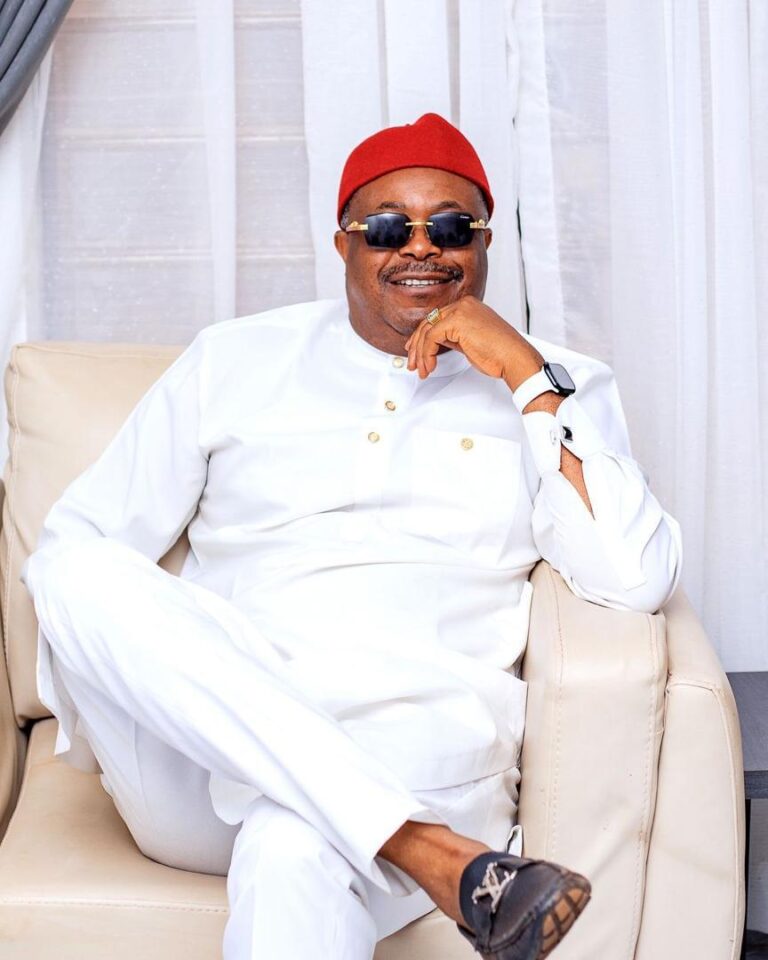
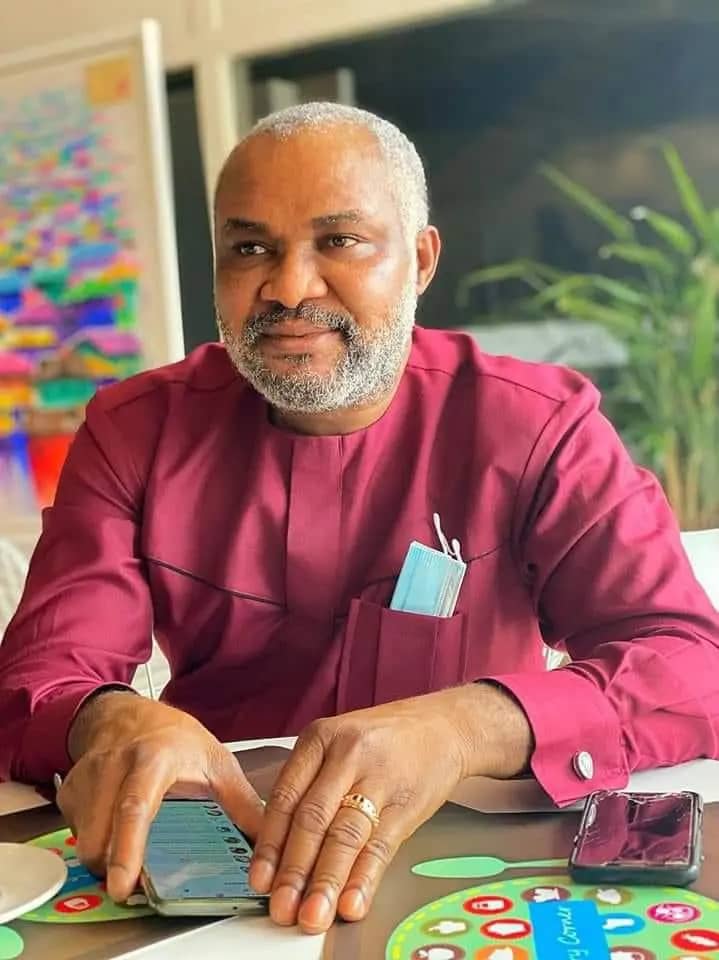
As millions of Nigerian children battle hunger, study in dilapidated classrooms and roam the streets in search of survival, human rights advocate Emmanuel Nnadozie Onwubiko has declared that corruption remains the country’s most devastating obstacle to development.
Onwubiko, founder of the Human Rights Writers Association of Nigeria (HURIWA) and former National Commissioner of the National Human Rights Commission of Nigeria, argued that widespread corruption in public offices continues to undermine critical sectors such as education, healthcare and infrastructure, worsening poverty and social inequality across the country.
According to him, the effects of corruption are visible in the deteriorating state of public schools, the collapse of welfare systems and the poor condition of healthcare facilities, particularly in rural communities.
He cited the recent closure of primary schools in the Federal Capital Territory over funding challenges, blaming what he described as corruption and mismanagement within the six Area Councils for the crisis.
“The mindless corruption in the six Area Councils of the FCT is responsible for the near collapse of the educational sector,” he stated, lamenting that many pupils still learn under trees while others trek long distances to school under harsh weather conditions.
Onwubiko also painted a grim picture of Nigeria’s healthcare system, noting that many communities lack functional primary healthcare centres and qualified medical personnel, resulting in avoidable deaths and worsening public health outcomes.
Describing corruption as the root cause of many of the nation’s developmental challenges, he alleged that some public office holders view government appointments as opportunities for personal enrichment rather than public service.
To support his argument, the rights activist highlighted a compilation of major corruption convictions secured by Nigerian courts between May 2023 and May 2026.
Among those listed was Chukwunyere Anamekwe Nwabuoku, a former Acting Accountant-General of the Federation, who was convicted in 2025 for diverting N868.46 million meant for security and defence purposes. He was sentenced on nine counts after the court found him guilty of money laundering offences.
Also cited was former Minister of Power, Saleh Mamman, who was convicted in May 2026 over the diversion of funds linked to the Mambilla and Zungeru hydropower projects.
According to Onwubiko, the court found that at least N22 billion earmarked for electricity projects had been diverted through proxy companies.
Other convictions referenced included those of Hassan Abdullahi, a Superintendent in the Nigeria Security and Civil Defence Corps convicted for certificate forgery; Garuba Mohammed Duku, a retired Federal Capital Territory Administration director jailed for corruption and money laundering; and Robert Orya, former Managing Director of the Nigerian Export-Import Bank, convicted over a N2.4 billion fraud case.
The list also featured Yusuf Temilade, Adeyemi Alaba Samuel and Amuludun Tosin, former union officials convicted in connection with the diversion of union funds, as well as Mohammad Suleiman Kumo, a Chief Magistrate convicted for receiving a N1 million bribe.
Onwubiko further referenced convictions involving 23 Chinese nationals found guilty of cyberterrorism and internet fraud, three internet fraud suspects arrested in Abeokuta, former Taraba State governor Jolly Nyame, and other individuals convicted for financial and cyber-related crimes.
Despite acknowledging the efforts of the Economic and Financial Crimes Commission (EFCC) in securing convictions, Onwubiko argued that numerous high-profile corruption allegations remain unresolved.
He pointed specifically to ongoing investigations involving former Delta State governor Ifeanyi Okowa and Senate President Godswill Akpabio.
According to him, Okowa remains under EFCC investigation over allegations relating to the management of Delta State funds during his tenure as governor, although no charges have been filed and no conviction has been secured. He also noted that Akpabio has remained under EFCC scrutiny over allegations connected to his period as governor of Akwa Ibom State, with no criminal conviction recorded.
Onwubiko urged the EFCC to intensify its anti-corruption efforts and convince Nigerians of its independence, stressing that the agency must be seen as free from political interference.
He warned that unless corruption is tackled more aggressively, the country risks further deterioration in education, healthcare, infrastructure and social welfare.
The HURIWA founder also called on citizens to reject vote-buying and support leaders with integrity ahead of future elections, insisting that corruption remains one of the greatest obstacles to Nigeria’s development and the wellbeing of its people.
About the Author