
 Odita Sunday


Defence Minister Pushes Indigenous Security Technology, Urges Nigerian Innovators to Tackle Security Challenges

By Odita Sunday
Nigeria’s quest for lasting security cannot be achieved through conventional military hardware alone, the Honourable Minister of Defence, General Christopher Gwabin Musa (Rtd), OFR, declared on Thursday as he challenged Nigerian innovators, startups and researchers to develop indigenous technologies capable of addressing the nation’s security threats.
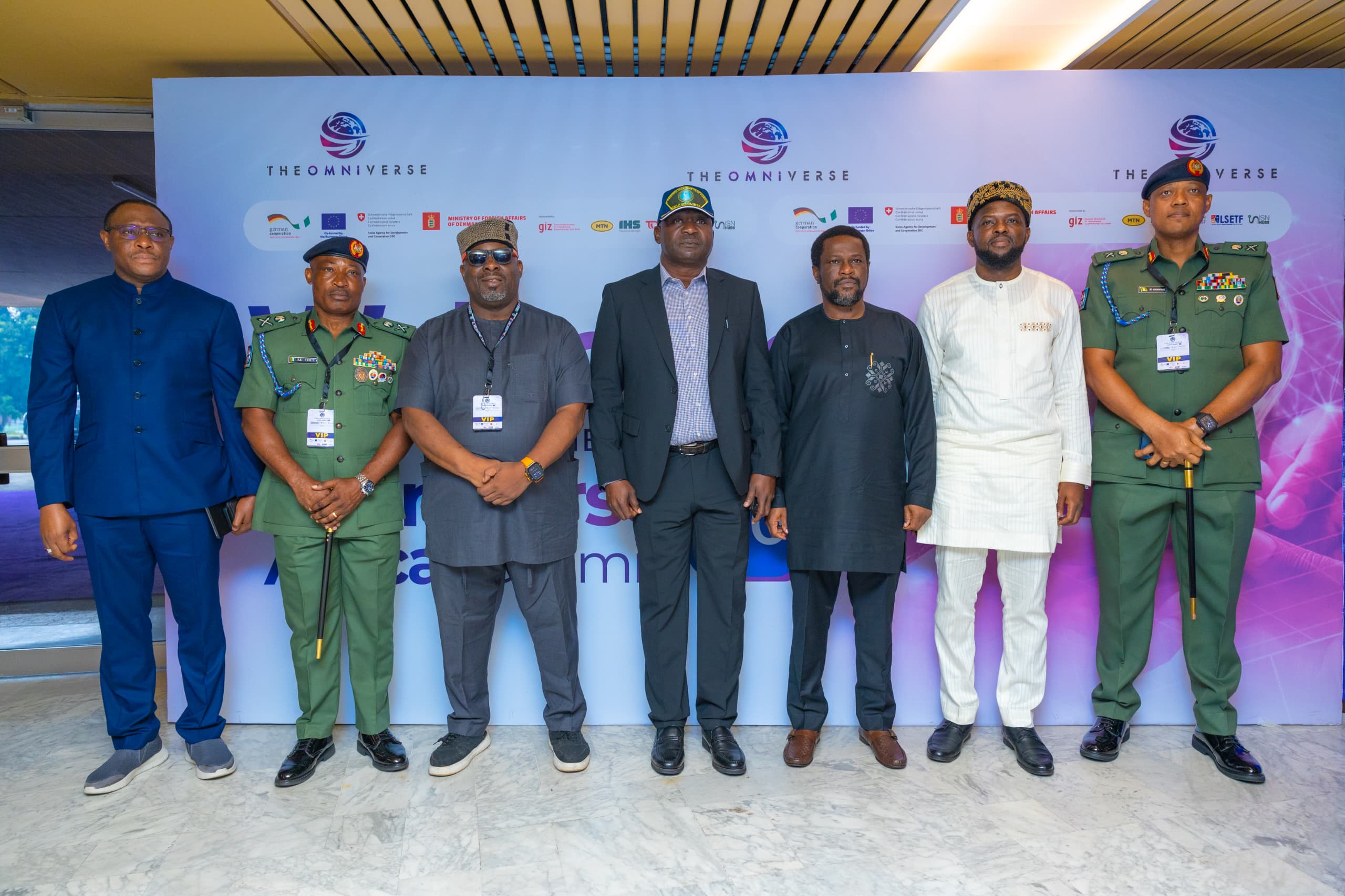
Speaking at the Omniverse Africa 3.0 Summit in Lagos, General Musa said the country’s security and innovation agendas must be pursued as a single national project, stressing that Nigeria must move from being a consumer of defence technology to becoming a producer of homegrown solutions.
Delivering the keynote address titled, “The 70/30 Rule: Why Nigeria’s Security and Innovation Agendas are the Same National Project,” the Defence Minister said modern security demands a combination of military strength, technological advancement, industrial capacity and innovation.
“The future requires us to complement courage with technology, foresight, industrial capability, and innovation,” General Musa stated. “We must secure the nation today, but we must also build the capabilities that will secure the nation tomorrow.”

He disclosed that the Ministry of Defence is currently restructuring its doctrine, acquisition processes and training programmes to prioritise critical areas such as unmanned systems and robotics, surveillance technologies, cybersecurity and resilience, secure communications, artificial intelligence governance, data-driven decision-making tools and advanced domestic manufacturing.
According to the Minister, the reforms align with President Bola Ahmed Tinubu’s Renewed Hope Agenda for industrialisation and are designed to strengthen Nigeria’s defence capabilities while stimulating economic growth.
General Musa noted that ongoing reforms at the Defence Industries Corporation of Nigeria (DICON) are aimed at creating an ecosystem where defence investments generate high-tech jobs, support university-based research, attract innovation and open new commercial opportunities.
As part of efforts to deepen collaboration between the military and technology sectors, the Minister also launched the Defence Futures Lab Pathway, a side event convened by Kryterion.
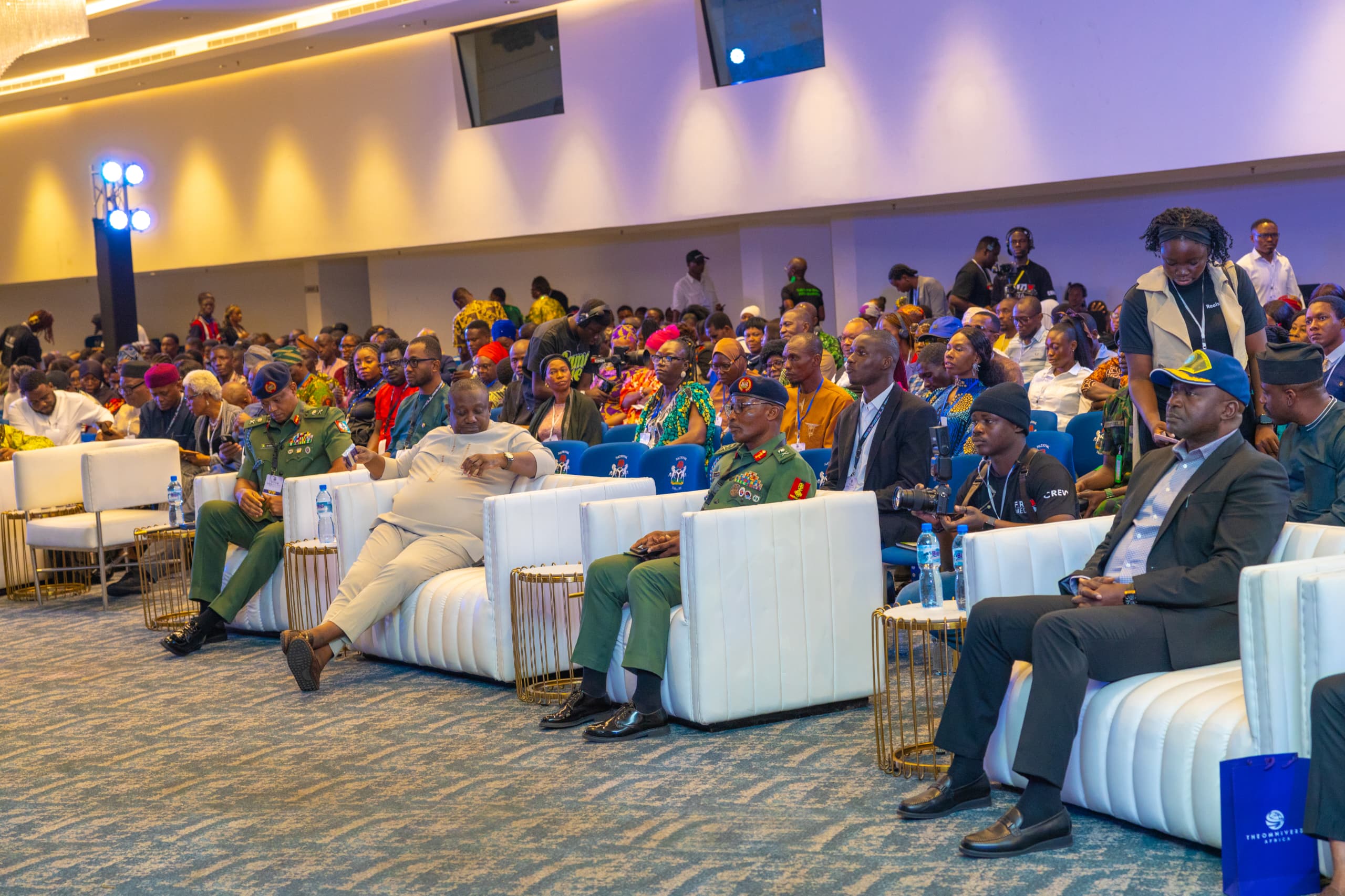
He, however, cautioned participants against viewing the initiative as a procurement platform, explaining that its primary objective is to foster capability development, strategic foresight and long-term collaboration within the broader defence ecosystem.
“This is an opportunity to think ahead, organise better, and explore practical ways of strengthening the wider defence ecosystem,” he said.
The summit’s roundtable session resolved to reconvene in three months to evaluate progress, review emerging technology concepts and align future actions with the Federal Government’s indigenous defence strategy.
The statement was signed by Leah Katung-Babatunde, Special Assistant (Media) to the Honourable Minister of Defence.
About the Author