 Odita Sunday



TUESDAY, 17 NOVEMBER 2026
WIKE TARGETS OPPOSITION VOTES IN ABUJA AS 2027 ELECTION BATTLE INTENSIFIES
Federal Capital Territory Minister Nyesom Wike has urged members of President Bola Tinubu’s campaign council in Abuja to prevent opposition parties from reaching 25 per cent of the territory’s votes in the presidential election scheduled for January 2027. His remarks, made on Monday, place the FCT at the centre of an increasingly fierce political contest.
Wike singled out the African Democratic Congress and Nigeria Democratic Congress as opponents the campaign must defeat. For political organisers, the statement is a call to mobilise voters. For residents, it raises a more important question: will the campaign focus on the everyday problems that shape life in the capital, from housing and transport to safety and jobs?
Political parties are entitled to compete vigorously for votes, but the choice belongs to citizens. With recent reports of disruptions at opposition events, Nigerians will be watching whether campaign rivalry remains peaceful and whether all candidates can speak freely to voters.
INFLATION EASES TO 14.06 PER CENT, BUT HOUSEHOLDS STILL FEEL THE STRAIN
Nigeria’s annual inflation rate fell to 14.06 per cent in October from 14.63 per cent in September, new figures released on Monday show. Food inflation also eased, moving from 19.59 per cent to 19.13 per cent.
The figures offer the government a measure of encouragement, but slower inflation does not mean prices have returned to where they were. A parent buying groceries, a commuter paying transport fares or a trader replacing stock may still be spending far more than a few years ago.
As the election approaches, the economic debate will turn on whether improvements in national statistics are beginning to reach kitchen tables and market stalls. Families need incomes that keep pace with costs, not simply a lower percentage on a chart.
ADC FACTION OFFERS CONDITIONAL PEACE AS ATIKU NOMINATION DISPUTE CONTINUES
A factional leader of the African Democratic Congress, Nafiu Bala Gombe, has signalled willingness to reconcile with former Vice-President Atiku Abubakar and the David Mark-led leadership. But his offer comes with conditions over membership procedures and the party rules that he says were breached.
The dispute follows a Federal High Court judgment challenging the leadership arrangement under which Atiku emerged as a presidential candidate. The Mark-led faction has appealed and sought a stay of execution. No final reconciliation has been announced.
For party supporters, the uncertainty is frustrating. With election day approaching, they want to know who speaks for the party and whether its candidate can remain on the ballot. The courts must settle the legal questions, while party leaders face the political task of rebuilding trust.
ARMY REPORTS RESCUE OF 125 ABDUCTED PEOPLE IN SECURITY OPERATIONS
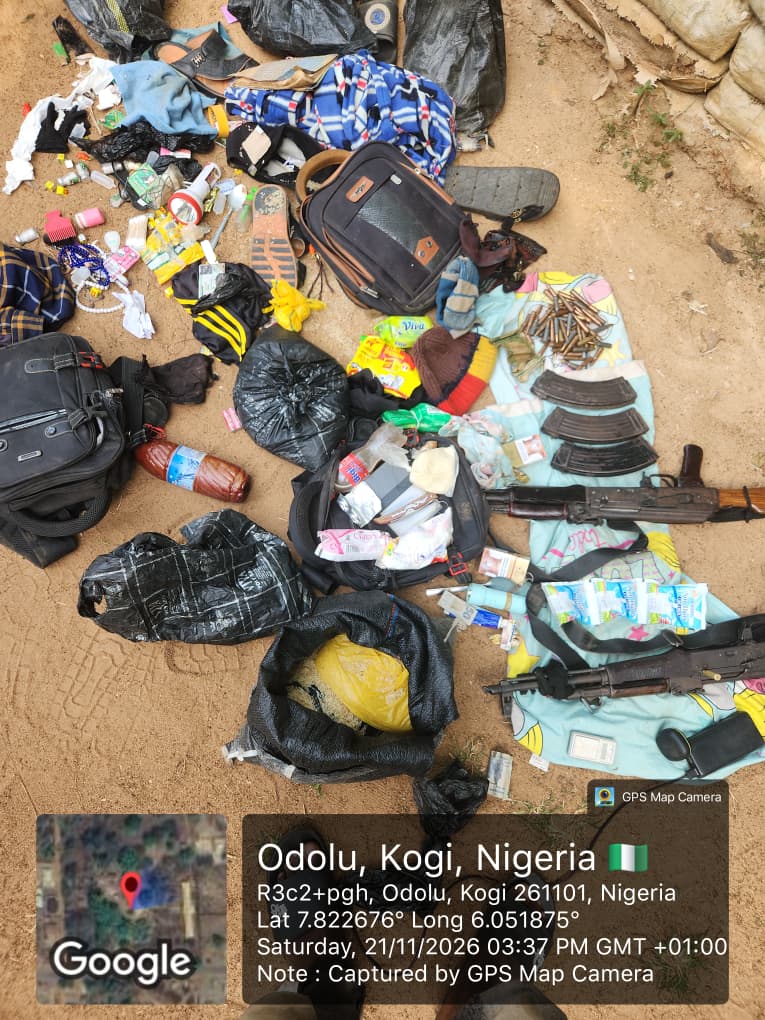
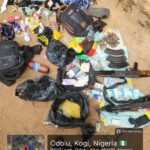
Nigeria’s military has reported rescuing 125 kidnapped people during recent operations and killing eight suspected terrorists. The figures come from the army’s account of its operations and have not been independently verified.
For families whose loved ones have been held captive, every rescue carries a significance that statistics cannot convey. It means the possibility of a reunion, the end of sleepless nights and the beginning of recovery after trauma.
The wider security challenge stays enormous. Lasting progress will require safe communities, investigations that bring perpetrators to justice and support for people returning home after captivity.
NIGERIA DEFENDS DEVELOPMENT NEEDS AT COP31 CLIMATE TALKS
Nigeria has used the COP31 climate discussions in Türkiye to argue that the transition to cleaner energy must not deny developing countries the power and investment they need to grow. A senior foreign-affairs official said the country would not sacrifice development as the world debates the pace of energy change.
The position reflects a difficult balance. Nigeria needs reliable electricity for homes, hospitals and factories, while communities are already confronting flooding, extreme heat and other climate pressures.
For Nigerians, climate diplomacy will matter most when it produces affordable power, resilient infrastructure and financing that reaches vulnerable communities. Promises made at international meetings must eventually become practical improvements at home.
IRAN-US TENSIONS RISE AS GULF SECURITY FEARS SPREAD
Fresh warnings and military activity have deepened fears of another escalation between Iran and the United States. Iranian officials have warned that Tehran may not wait to respond if it believes a new attack is imminent.
The United States has reinforced its military presence in the region, while Bahrain has reported intercepting Iranian drones.
Uncertainty around the Strait of Hormuz continues to threaten global energy supplies and shipping. For Nigeria, an oil producer that also depends on international trade, sudden price swings can bring both revenue opportunities and higher costs for businesses and households.
Beyond the political statements are seafarers, workers and families who would bear the consequences of a wider conflict. Diplomacy is still the safest route away from further loss of life and economic disruption.
IRAN FACES WINTER GAS SHORTAGES AFTER WAR DAMAGE
Iran is preparing for possible natural-gas shortages as winter approaches, with energy infrastructure already weakened by years of underinvestment, sanctions, and damage from recent fighting.
The difficulties show how quickly war can turn an energy-rich country into one where families worry about keeping warm and businesses struggle to operate. Energy infrastructure takes years to build and can be damaged in moments.
For Nigeria, the lesson is familiar: abundant natural resources do not automatically guarantee reliable supply.
Investment, maintenance, and effective institutions matter just as much as what lies underground.
FAMILIES OF NIGERIA’S MISSING DEMAND ANSWERS ABOUT DETENTION
A recent investigation published on Monday highlights the struggle of Nigerian families searching for relatives who disappeared into detention. Loved ones describe exhausting searches through police stations, correctional facilities, hospitals and mortuaries without clear information about where missing people are being held.
Behind each unresolved case is a family trying to keep life moving while living with uncertainty. Parents miss birthdays, children grow up without answers and relatives spend savings pursuing leads that may go nowhere.
The allegations raise earnest questions about transparency, record-keeping and access to legal safeguards. Authorities have a duty to protect public safety, but detention must remain subject to the law and families deserve a way to establish the whereabouts and welfare of their relatives.
About the Author