 Odita Sunday



From Low Demand To High Prestige: Dual Mandate Policy Set To Rebrand Teacher Education In Nigeria

Maryam Aminu
For decades, teacher education struggled to attract large numbers of applicants despite producing the workforce that powers every other profession. Today, stakeholders believe a major policy shift could change that narrative and position Colleges of Education as one of Nigeria’s most attractive academic destinations.
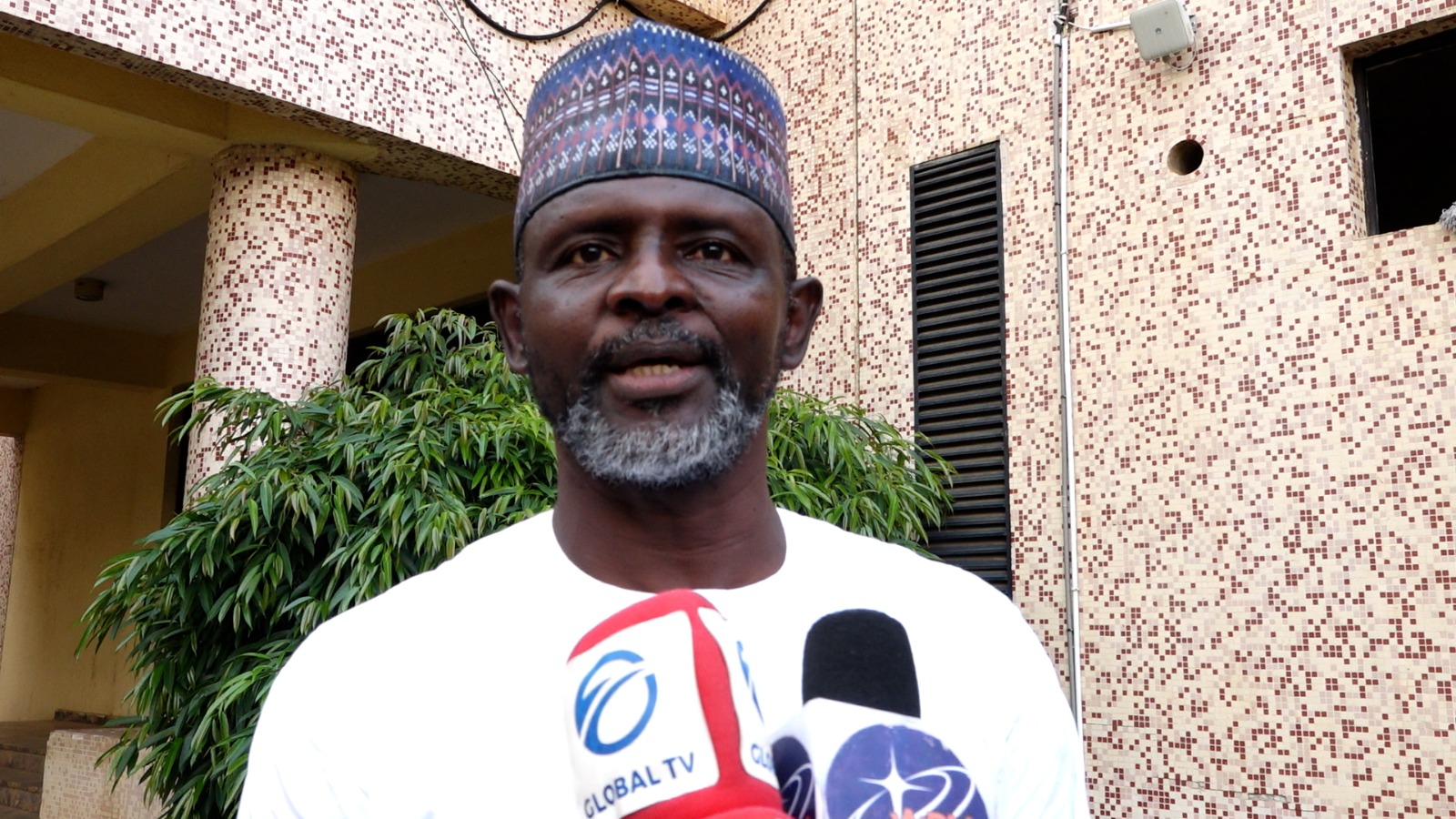
President of the College of Education Academic Staff Union (COEASU), Dr. Lawan Ahmed Bazza, has declared that Nigeria’s newly introduced Dual Mandate System is set to revolutionise teacher education by making degree acquisition faster, more flexible and more rewarding for students.
Speaking during an interview, Bazza described the policy as a landmark reform that empowers Colleges of Education to independently award degree certificates without the previous requirement of affiliating with universities.
The development follows the signing of the enabling law by President Bola Ahmed Tinubu on June 12, 2023.
According to Bazza, the reform addresses one of the biggest challenges facing teacher education in Nigeria low student enrolment.
He explained that teacher education has remained among the least subscribed courses in the country despite the growing demand for qualified teachers across both public and private institutions.
Citing reports from the Joint Admissions and Matriculation Board (JAMB), he noted that many prospective students have historically avoided Colleges of Education due to the lengthy academic route required to obtain a degree.
Before the policy, holders of the Nigeria Certificate in Education (NCE) who wished to earn a university degree often had to undergo additional years of study and complete the mandatory National Youth Service Corps (NYSC), creating a long and discouraging pathway.
Bazza said the Dual Mandate System changes that reality.
Under the new arrangement, students can complete their academic progression more efficiently while graduating with dual qualifications both the NCE and a degree.
He said the new structure is expected to increase enrolment, improve the attractiveness of education courses and help rebuild confidence in the teaching profession.
Beyond academic flexibility, Bazza disclosed that graduates produced under the system are expected to enjoy improved employment prospects, including direct placement on Grade Level 9 rather than Grade Level 8 in public service.
He described the development as a strategic incentive that could encourage more young Nigerians to choose education as a career path.
The COEASU President warned that Nigeria cannot afford to ignore the widening teacher gap, stressing that no nation can achieve meaningful development without investing in those responsible for educating future generations.
Commending President Tinubu for approving the policy, Bazza revealed that stakeholders had spent more than 16 years advocating for the reform.
He also recognised the contributions of the Minister of Education Dr. Tunji Alausa and the Minister of State for Education, Professor Suwaiba Sa’id Ahmad, saying both officials have remained deliberate and committed in driving implementation efforts to ensure the success of the initiative.

Expressing optimism about the future, Bazza projected that Colleges of Education would soon witness renewed interest and rising student applications.
Drawing a comparison with the nursing profession, which has grown from a once overlooked discipline into one of the most competitive courses in recent years, he said teacher education is on course for a similar transformation.
He further credited the leadership of Dr. Angela Ajala, Executive Secretary of the National Commission for Colleges of Education (NCCE), expressing confidence that educational courses would soon become symbols of prestige and pride.
“Our teachers determine the future of our nation. If we strengthen teacher education today, we strengthen Nigeria tomorrow,” Bazza said.
About the Author