 Odita Sunday

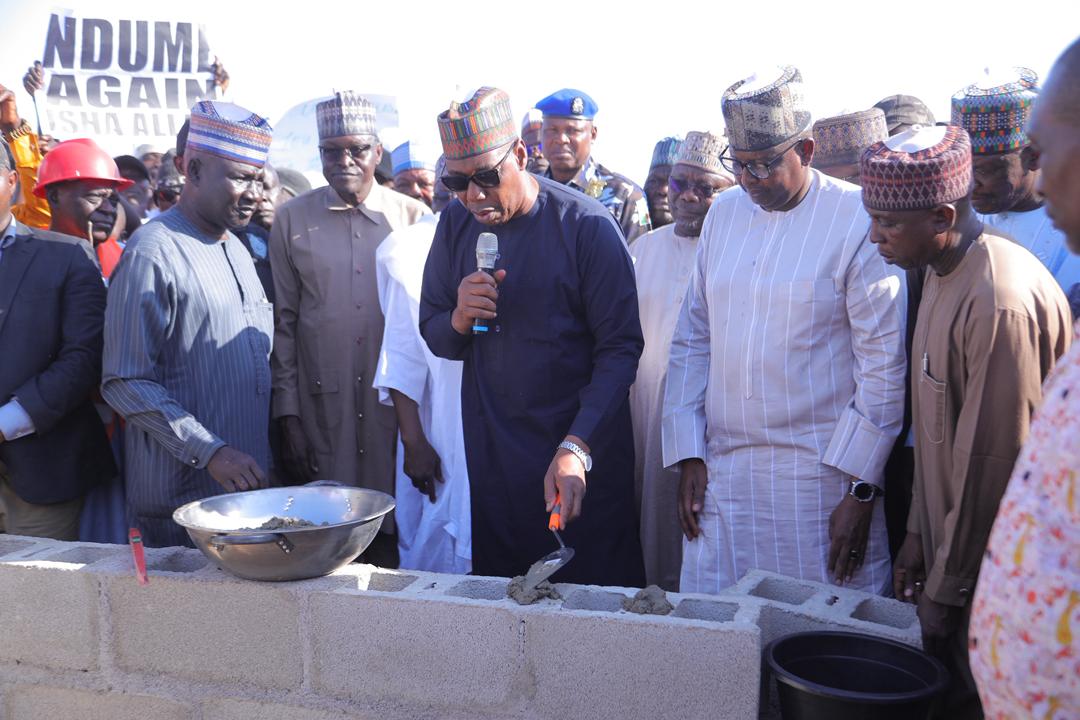
Borno State Governor, Professor Babagana Umara Zulum, on Wednesday officially commenced the construction of two new mega schools in the Hawul Local Government Area. The initiative is part of his administration’s ongoing commitment to transforming the education sector and expanding access to quality learning facilities.
The first project is a 48-classroom High Islamic College located in Shafa. This institution will operate under the curriculum of the National Board for Arabic and Islamic Studies (NBAIS). Governor Zulum explained that the college is designed to provide a holistic education, blending authentic Islamic knowledge with modern subjects, including digital literacy, numeracy, and vocational skills.
The Governor noted that the establishment of such colleges fulfills a key campaign promise to integrate formal and religious education for better career prospects for students.
The second mega school project is situated in Marama. During the foundation-laying ceremony, Governor Zulum announced plans for a befitting two-storey building featuring 36 classrooms and various modern supporting facilities.
To ensure the school’s success, the Governor also addressed the local labor needs. “Due to a shortage of teachers, we will recruit competent educators who are indigenes of Marama to staff this institution,” Zulum stated. He was assisted during the ceremony by the Commissioner of Education, Science, Technology, and Innovation, Engr. Lawan Abba Wakilbe.
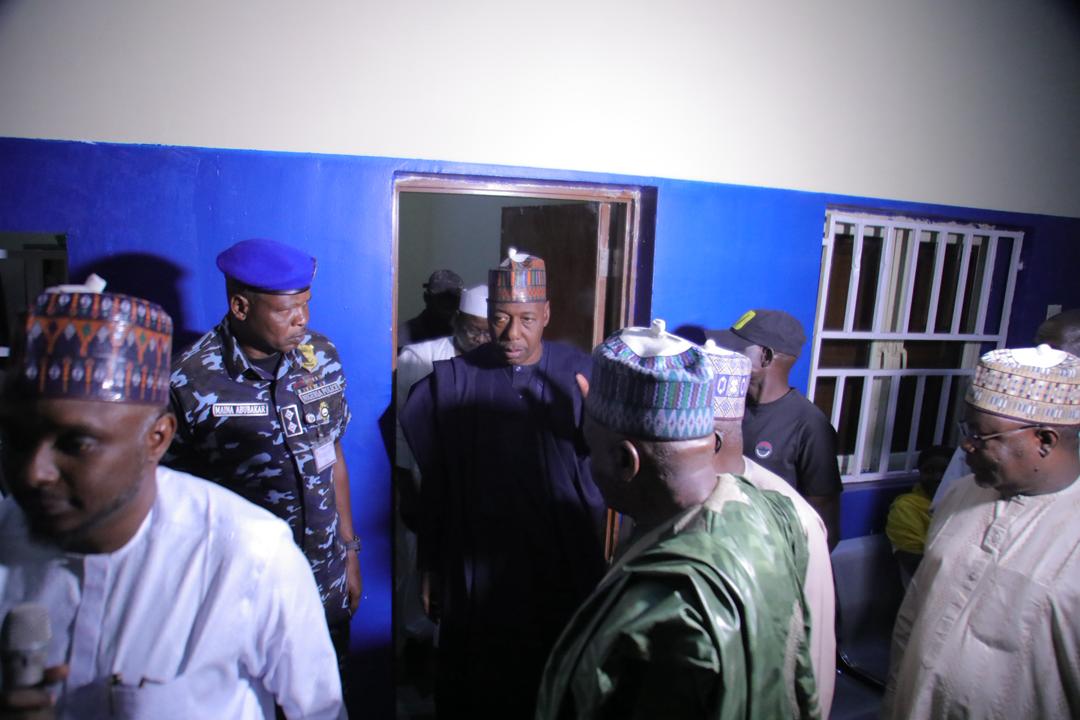
In addition to the educational projects, Governor Zulum visited the National Orthopaedic Hospital in Azare. The facility was recently rehabilitated and donated by the Borno State Government to accelerate the hospital’s full operational takeoff.
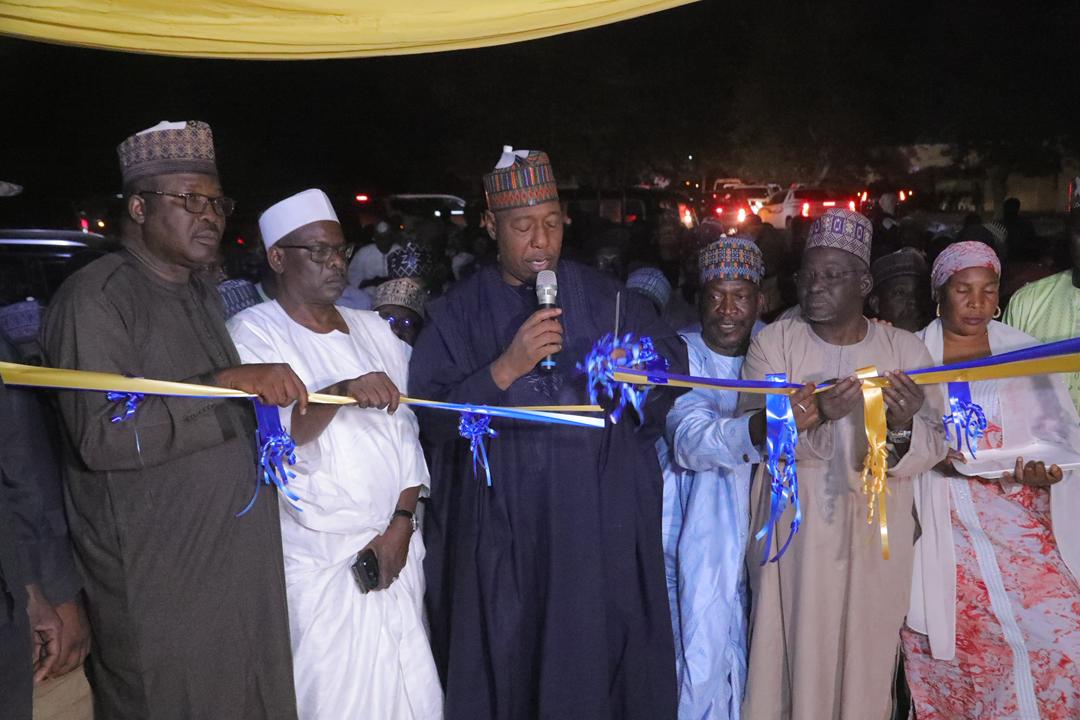
The Governor also commissioned several projects executed by the Hawul Local Government council, including a new shopping complex and market stalls aimed at boosting local commerce.
Governor Zulum was accompanied on the tour by Senator Mohammed Ali Ndume (Borno South), several former deputy governors, members of the House of Representatives and State Assembly, and other key stakeholders from Southern Borno.
About the Author