 Odita Sunday


HURIWA Knocks EFCC, ICPC Over ‘Slow’ Prosecution Of Politicians Facing Corruption Charges
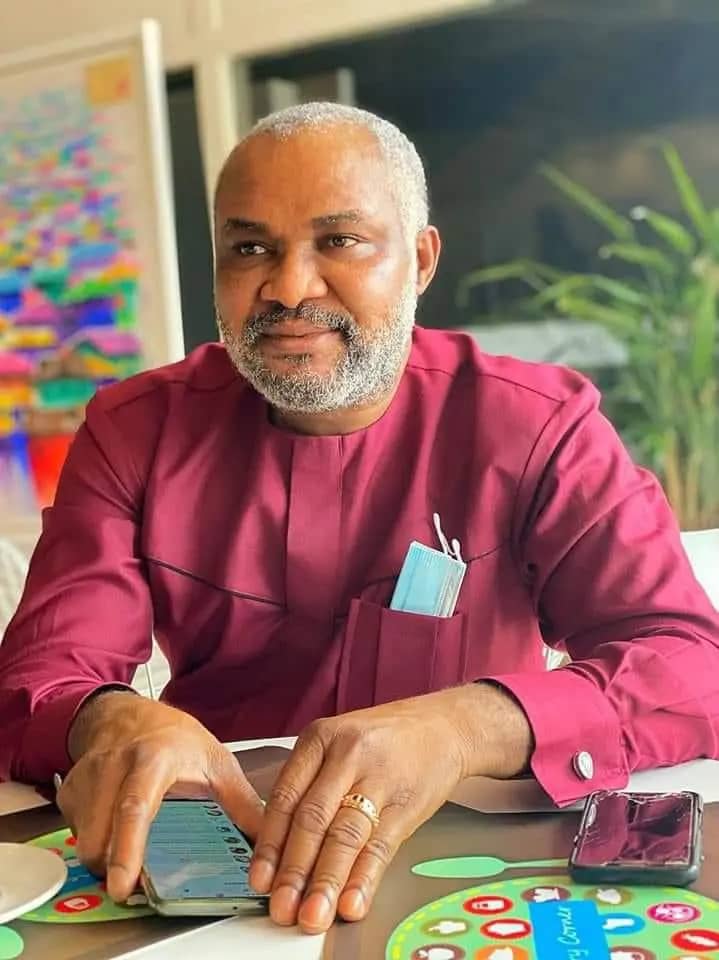
By Odita Sunday
The Human Rights Writers Association of Nigeria (HURIWA) has accused the Economic and Financial Crimes Commission (EFCC) and the Independent Corrupt Practices and Other Related Offences Commission (ICPC) of failing to act decisively against politically exposed persons facing corruption allegations but still seeking elective offices.
The rights group alleged that anti-corruption agencies have become slow, selective, and unwilling to publicly expose high-profile suspects, even as some of them have allegedly obtained nomination forms to contest elections under the ruling All Progressives Congress (APC) and other political parties.
In a statement signed on Saturday by its National Coordinator, Comrade Emmanuel Onwubiko, HURIWA specifically mentioned former Delta State Governor, Senator Ifeanyi Okowa; former Attorney General of the Federation and Minister of Justice, Abubakar Malami; former Minister of Power, Saleh Mamman; and former Kogi State Governor, Yahaya Bello, among politically exposed persons facing corruption allegations.
The group argued that the EFCC possesses sufficient institutional influence to alert political parties and Nigerians about corruption charges against aspirants seeking public offices.
“HURIWA stated emphatically that the EFCC could do so much to stop these persons from vying for public offices by naming and shaming them through direct correspondence to political parties, reminding them about the corruption charges levelled against such individuals,” the statement noted.
The organisation accused the anti-graft agency of allegedly displaying double standards by aggressively publicising cases involving youths accused of internet fraud while remaining reluctant to publicly pursue politically exposed suspects facing large-scale corruption allegations.
“It is disappointing that the EFCC deliberately appears helpless, but this same EFCC will be on media spaces with photos of youngsters facing lesser charges compared to massive theft allegations against politically exposed persons now contesting for elective offices,” HURIWA stated.
The group acknowledged the EFCC’s recent explanation that it lacks constitutional powers to prevent individuals under investigation from contesting elections, but insisted that the real concern remains the prolonged delay in prosecution and lack of institutional urgency.
According to HURIWA, delayed investigations and prolonged court processes have created loopholes allowing politically exposed persons to retain influence and re-enter public office while corruption cases remain unresolved.
The group warned that such a trend weakens public confidence in the justice system and creates perceptions of selective justice and elite protection.
HURIWA also expressed concern that some politicians facing unresolved allegations could eventually occupy legislative or oversight positions capable of influencing anti-corruption institutions investigating them.
The rights organisation cited Senate President Godswill Akpabio as an example of a politically exposed person previously investigated by the EFCC over alleged diversion of public funds but whose case allegedly failed to progress to prosecution.
According to the group, prolonged investigative delays in several high-profile corruption matters have structurally weakened the pursuit of justice and reinforced public distrust in anti-corruption institutions.
HURIWA further called on the EFCC to strengthen transparency by publicly disclosing timelines, procedural stages, and prosecutorial decisions relating to high-profile corruption cases.
The group also urged the Independent National Electoral Commission (INEC), the judiciary, and civil society organisations to remain vigilant in protecting electoral integrity and preventing public offices from becoming safe havens for individuals facing unresolved corruption allegations.
“HURIWA reiterates that Nigeria’s fight against corruption cannot succeed if enforcement mechanisms are perceived as slow, selective, or politically influenced,” the statement added.
About the Author