 Odita Sunday


Nigeria, Ghana Deepen Defence Cooperation as Ghanaian Military Delegation Visits Abuja
By Odita Sunday
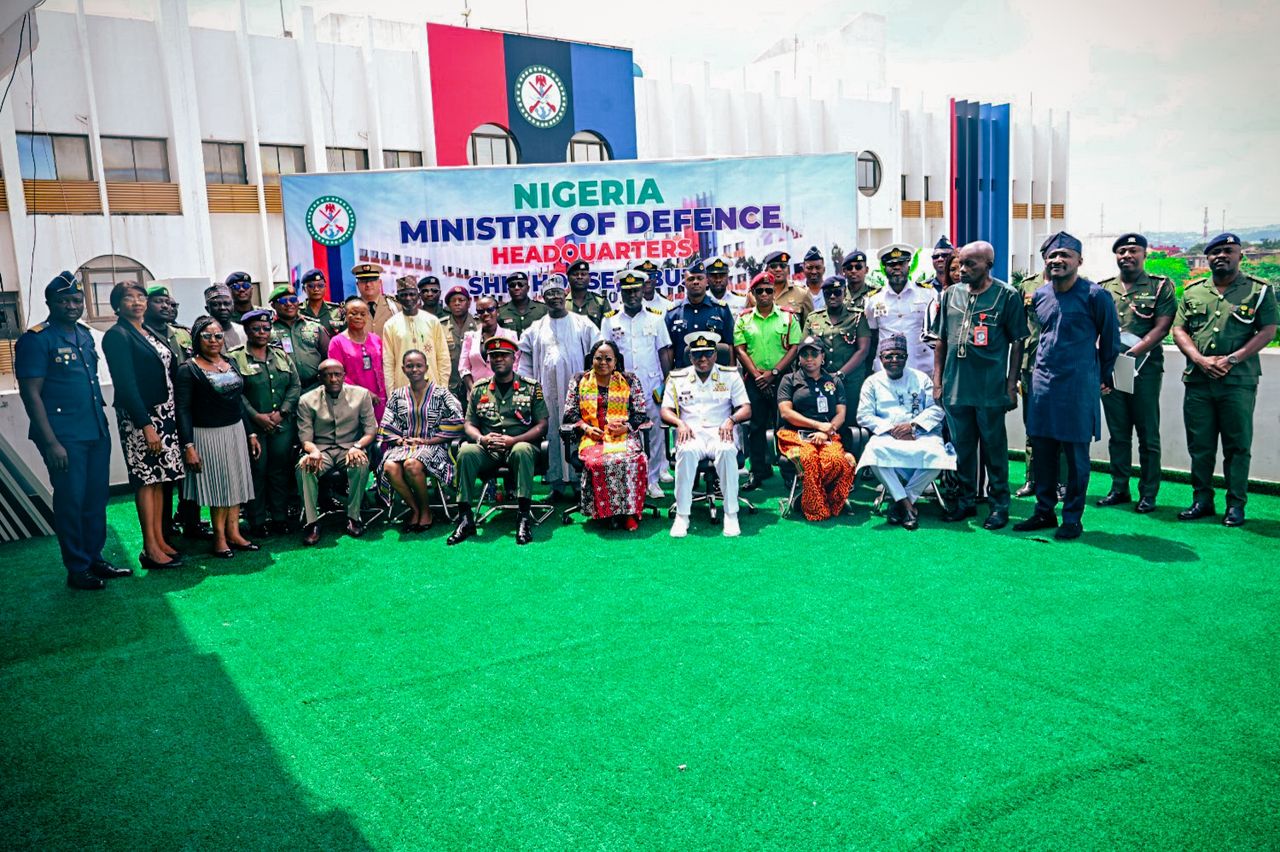
The Federal Ministry of Defence has reaffirmed Nigeria’s commitment to strengthening regional defence cooperation and indigenous military industrialisation as it hosted a delegation from the Ghana Armed Forces Command and Staff College in Abuja.
The delegation, drawn from Senior Course 47 of the Ghanaian military institution, visited the Ministry on Thursday as part of its regional study tour aimed at promoting professional exchange and enhancing understanding of defence administration and industrial development across Africa.
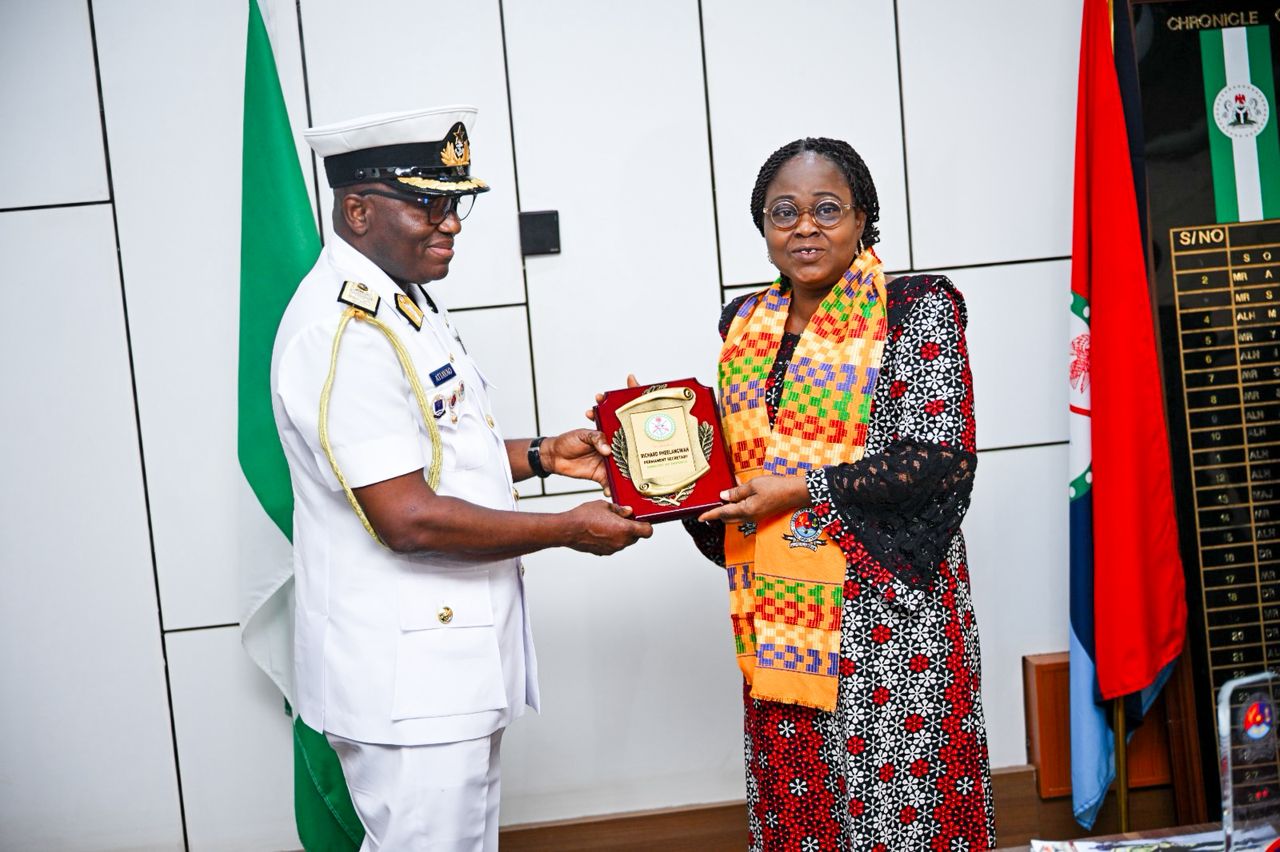
Speaking during the engagement at Ship House, Abuja, the Permanent Secretary of the Ministry, Richard Pheelangwa, represented by the Director of Joint Services Department, Bosede Olaniyi, said Nigeria and Ghana remain strategically important to regional peace and economic cooperation in West Africa.
According to her, the study visit provides another opportunity to strengthen bilateral collaboration and deepen defence partnerships between both countries.
“The visit formed part of the delegation’s regional study tour designed to promote professional exchange, strengthen regional defence cooperation, and enhance understanding of defence administration and industrial development within Africa,” she stated.
Olaniyi added that Nigeria remained committed to ensuring peace and stability across the continent, stressing that the growth of Africa’s defence sector is critical to the continent’s overall development.
She reaffirmed the Ministry’s commitment to partnerships aimed at promoting peace, security and sustainable development across Africa.
“We are ready to scale up collaboration with Ghana in areas of defence cooperation and regional security,” she added.
During a presentation by the Ministry, the Assistant Director, Special Projects, Joint Services Department, Fatima Mowarin, highlighted major reforms being implemented by the Federal Government to strengthen Nigeria’s defence industry.
She listed the re-enactment of the DICON Act, expansion of public-private partnerships, technology transfer initiatives and collaborations with indigenous and foreign defence-related industries as part of efforts to improve local production capacity.
Mowarin also identified inadequate funding, dependence on foreign technology and limited access to local raw materials as some of the major challenges confronting the sector.
According to her, the Federal Government is pursuing efforts to revitalise local steel production and strengthen technology transfer agreements with foreign partners to boost indigenous military manufacturing capacity.
Responding on behalf of the delegation, the head of the Ghanaian team, Fiifi Deegbe, appreciated the Ministry for the warm reception and valuable engagements received since the delegation’s arrival in Nigeria.
He disclosed that visits to military formations in Kaduna and various service headquarters had provided the team with deeper insight into Nigeria’s defence operations and industrial development initiatives.
Deegbe commended the Ministry’s transparency and commitment towards indigenous defence production and regional security cooperation.
“With the ongoing development in Nigeria’s Ministry of Defence, Africa is heading towards military advancement,” he stated.
Also speaking, a representative of Senior Course 47, Kuntu Blankson, said the college looked forward to further collaboration with the Ministry in the area of knowledge exchange and capacity development.
About the Author