
 Odita Sunday



By Odita Sunday
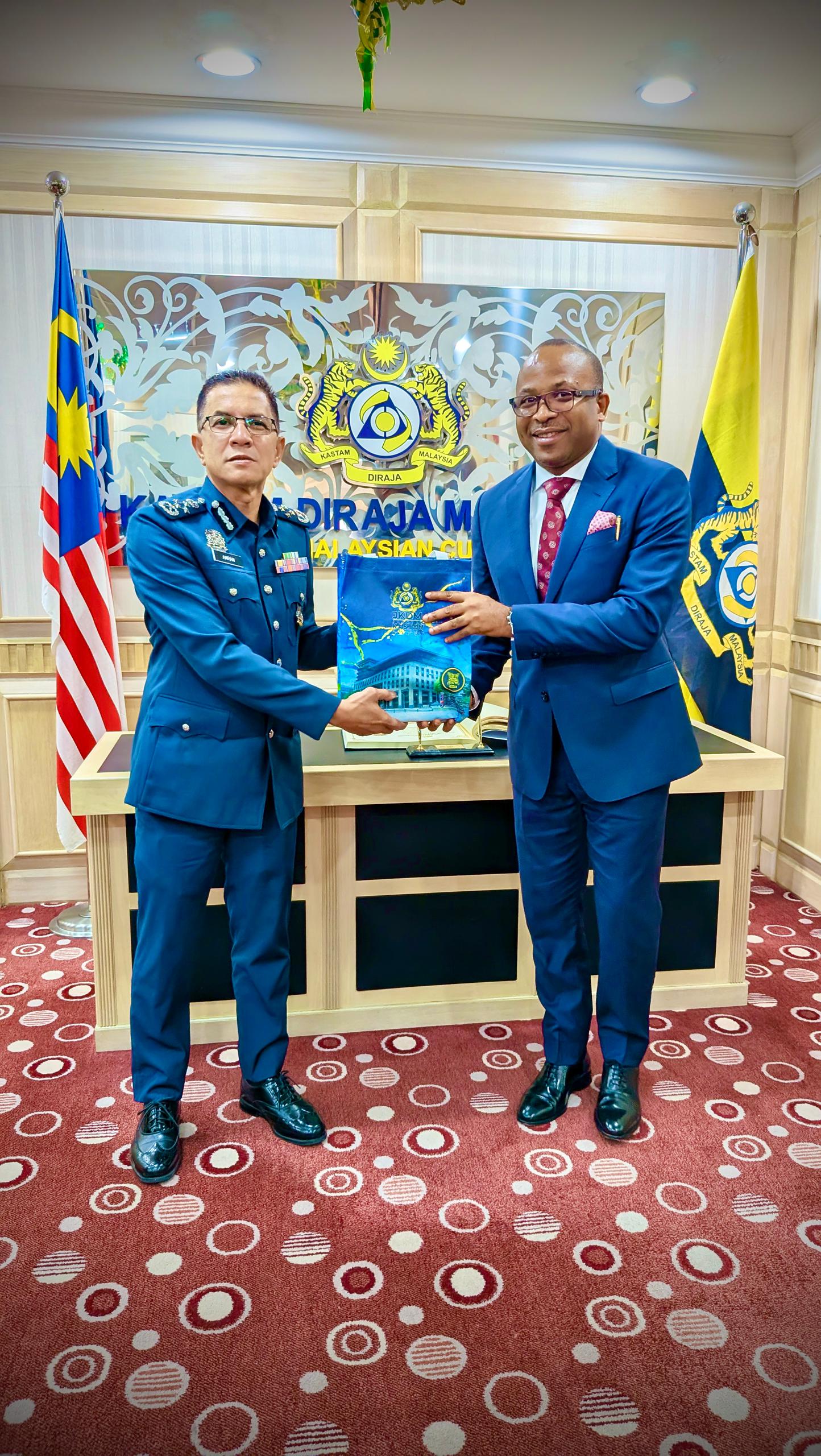
The Nigeria Customs Service (NCS) has strengthened its strategic engagement with the Royal Malaysian Customs Department (RMCD) in a renewed push to enhance trade facilitation and border management between both countries.
This was disclosed in a statement issued on Thursday by the National Public Relations Officer of the Service, Abdullahi Maiwada, on behalf of the Comptroller-General of Customs, Bashir Adewale Adeniyi.
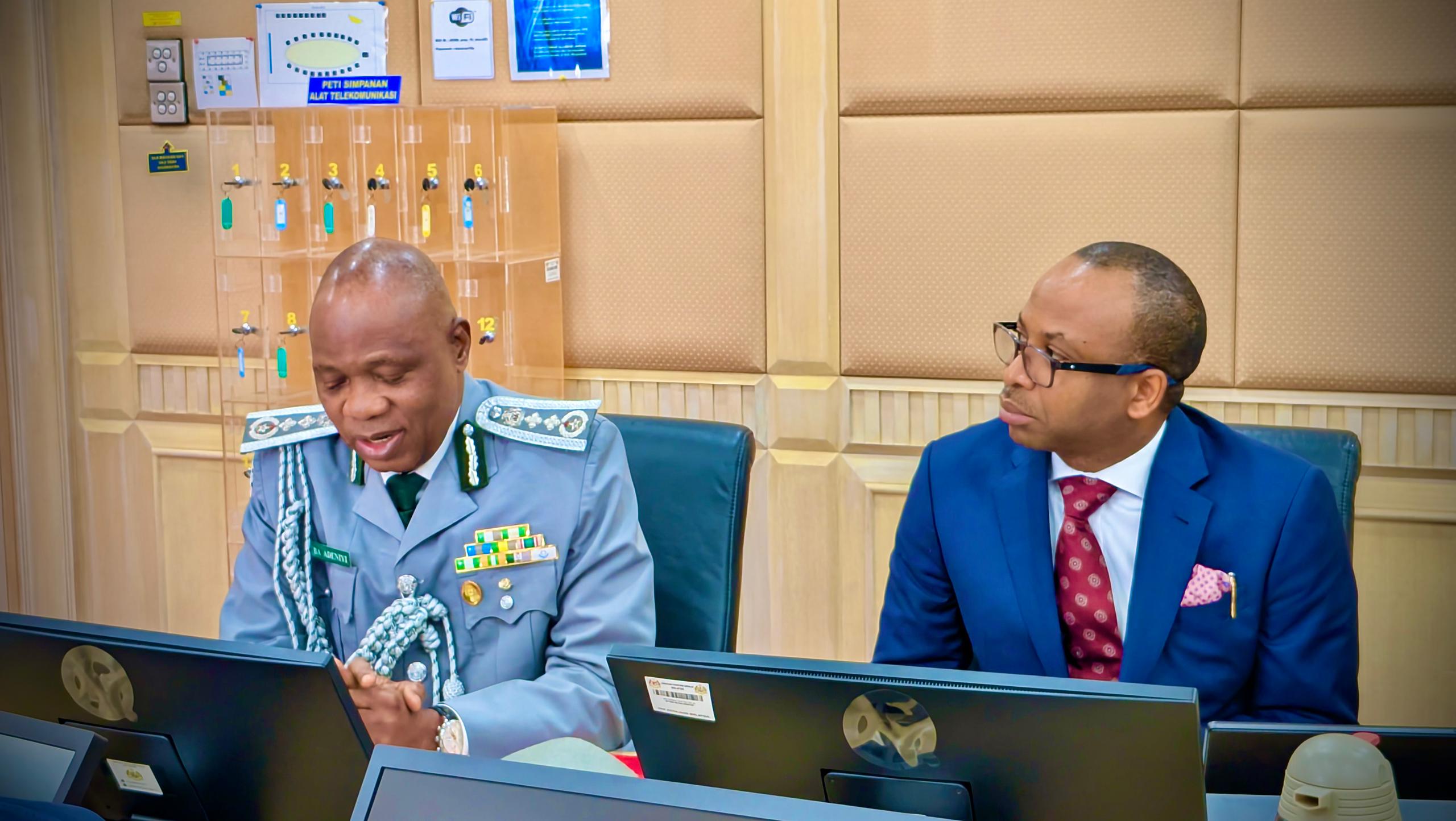
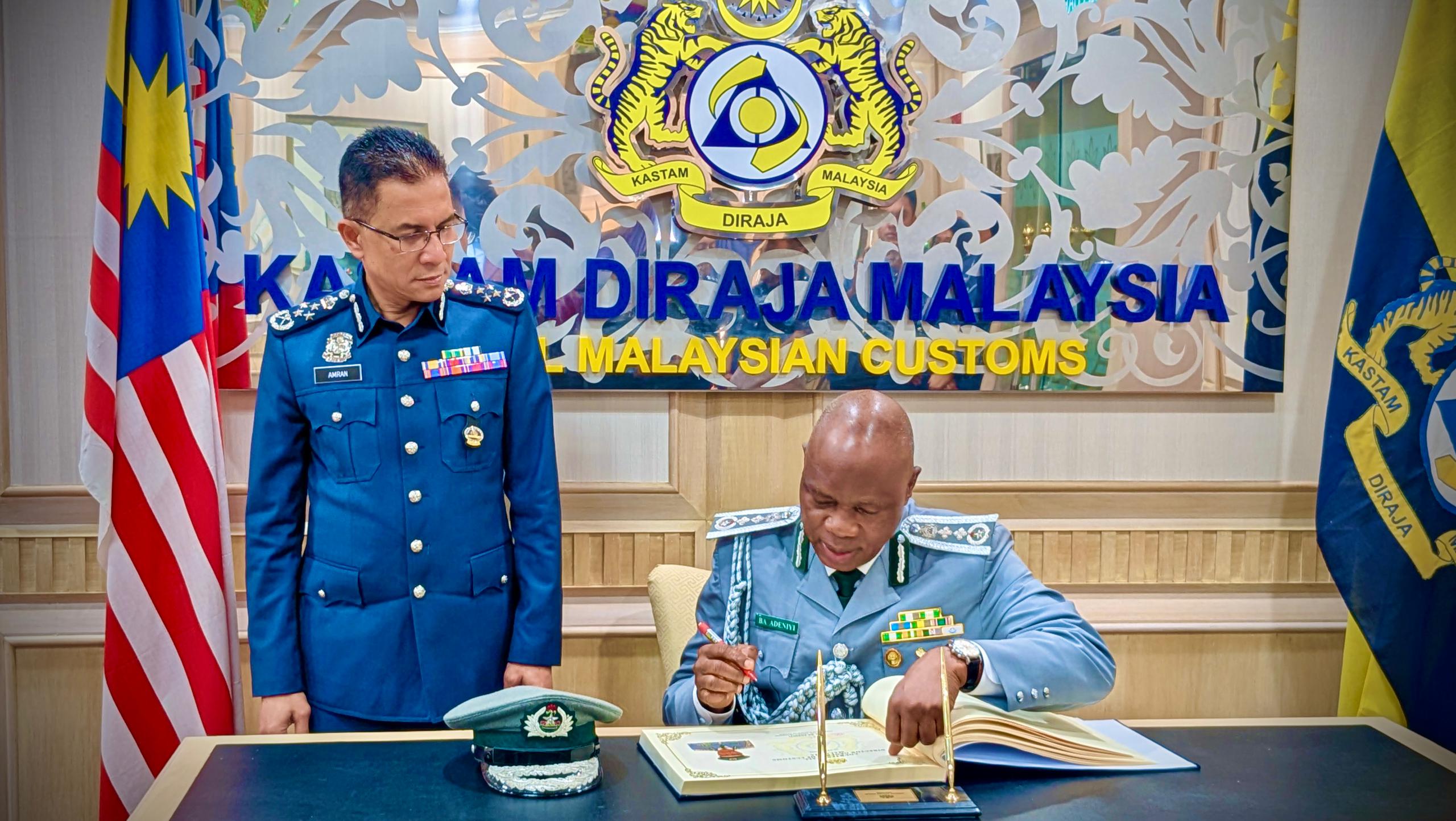
According to the statement, the development followed an official visit by Adeniyi to the RMCD headquarters on the sidelines of the Defence Services Asia (DSA) Malaysia 2026 exhibition.
The visit comes amid growing trade relations between Nigeria and Malaysia, with Nigeria’s imports from Malaysia rising from N159.9 billion in 2020 to N716 billion in 2024, while cumulative trade value between both countries has reached approximately N1.82 trillion over the past five years.
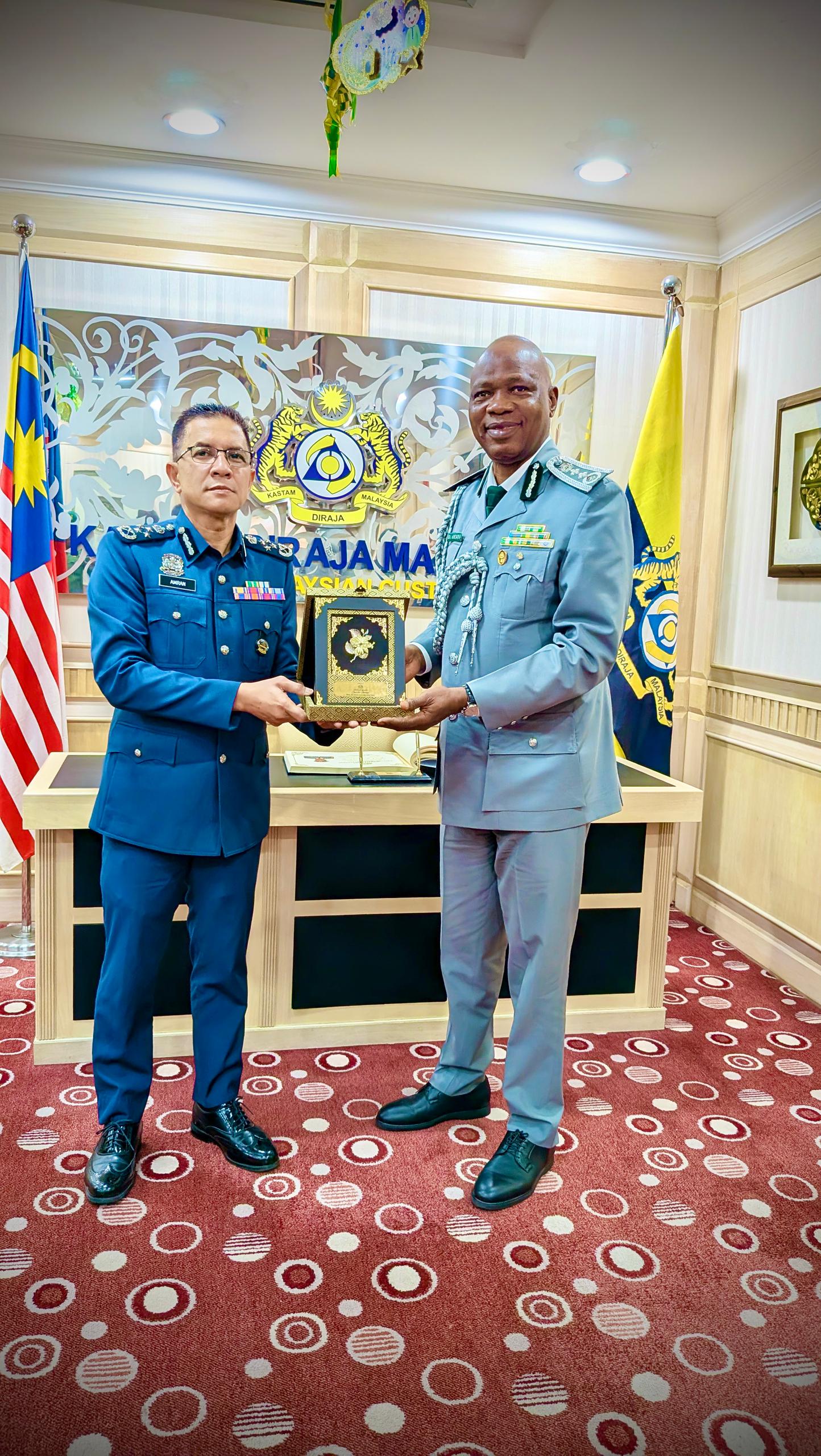
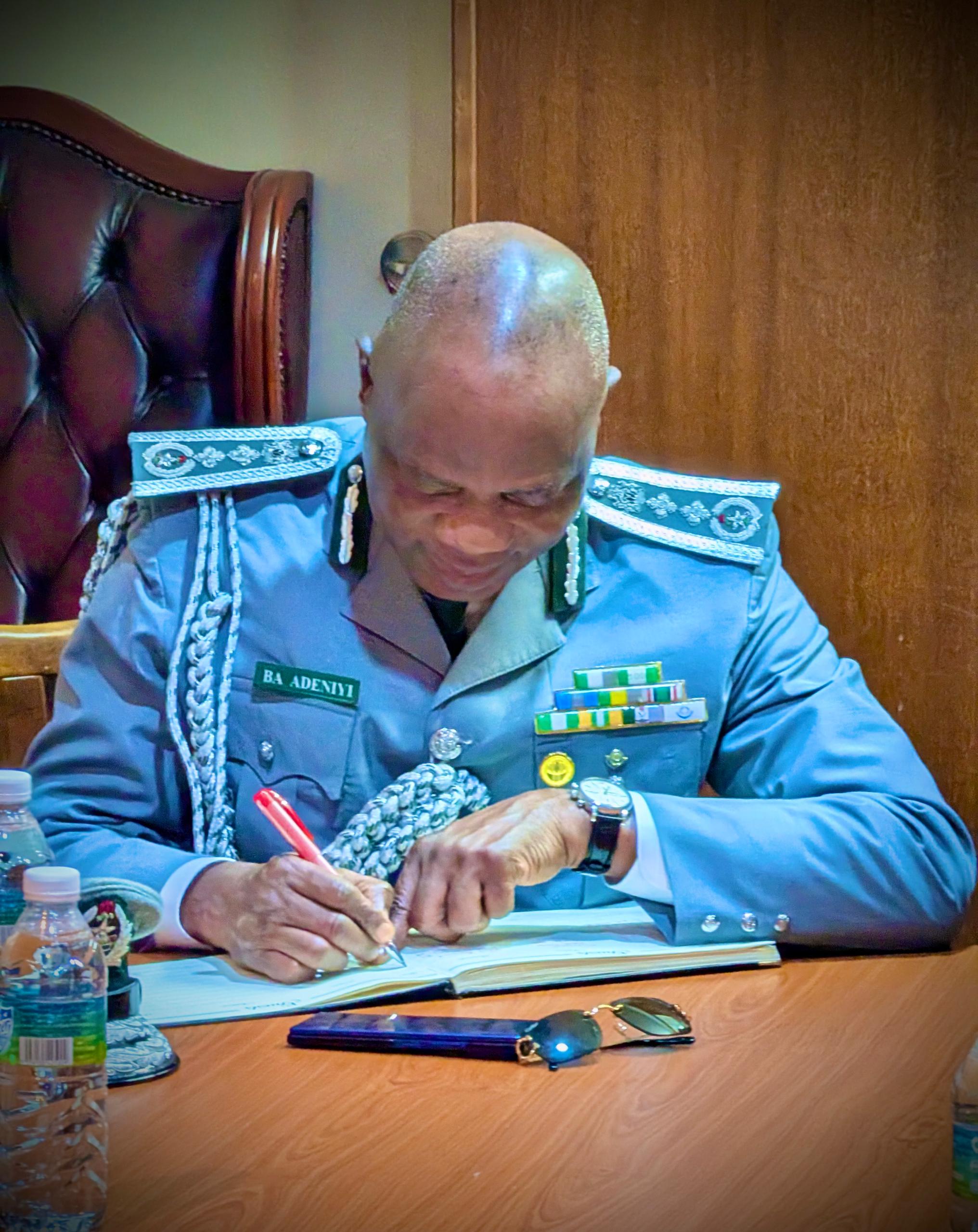
During the visit, the Comptroller-General was received by the Director-General of RMCD, Amran bin Haji Ahmad, and both officials held high-level discussions on strengthening institutional collaboration and modernising customs operations.
Adeniyi stressed that the increasing volume of trade between both countries requires a more structured customs-to-customs partnership to enhance efficiency and regulatory oversight.
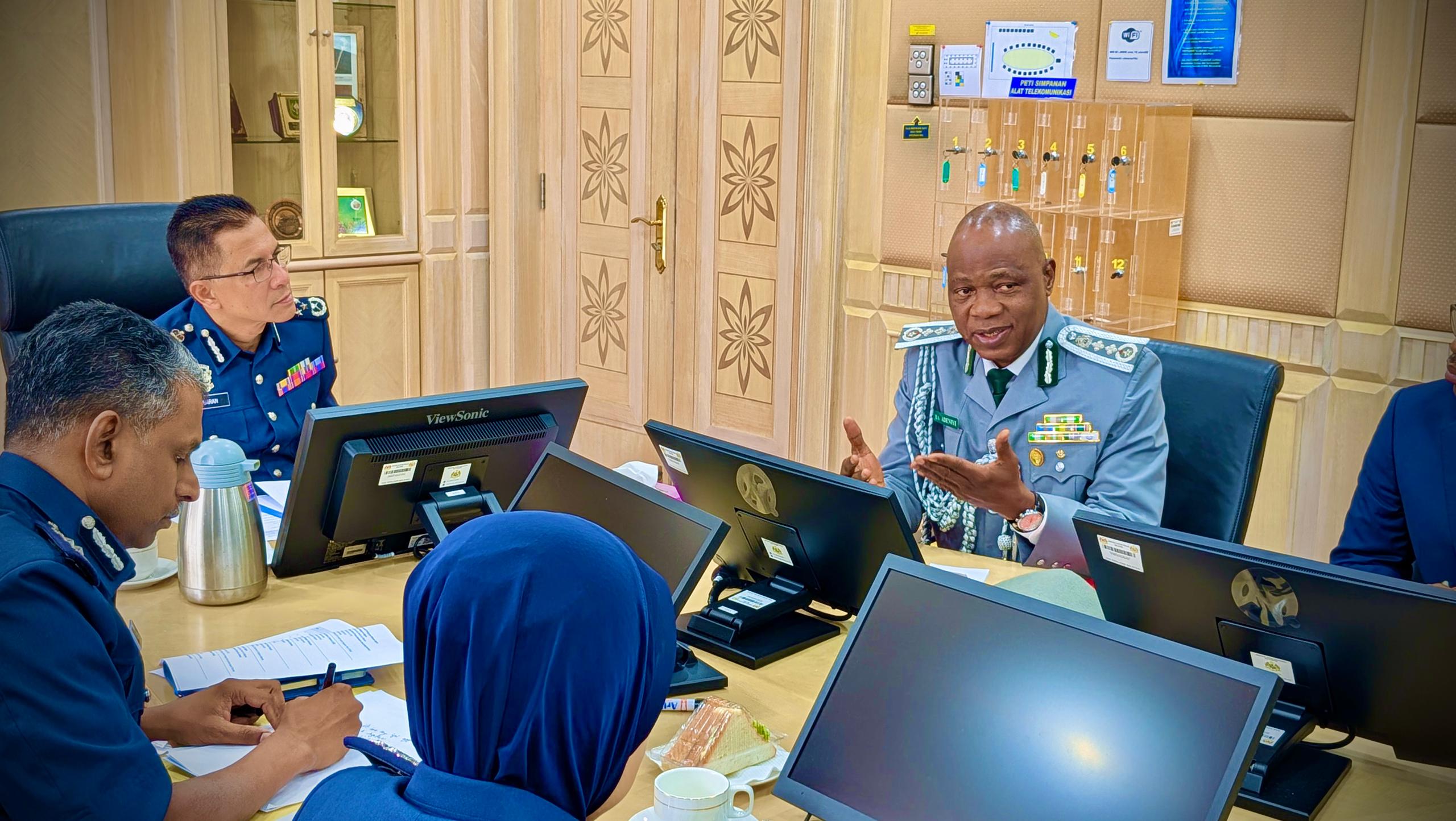
“The scale and trajectory of Nigeria–Malaysia trade relations necessitate a more structured and formalised customs partnership to facilitate legitimate trade while safeguarding national economic and security interests,” he said.
He noted that Malaysia remains a key trading partner to Nigeria, with imports including crude palm oil, refined palm olein, jet fuel, machinery, and other industrial inputs.
Both sides also acknowledged the absence of a formal legal framework governing customs cooperation despite longstanding trade ties.
To address this gap, the two countries agreed to initiate processes toward establishing a Mutual Recognition Agreement under the World Customs Organization framework.
The agreement, according to the statement, is expected to strengthen trust, improve trade facilitation, and provide a structured basis for customs collaboration.
The engagement also featured presentations by the Malaysian customs authorities on their integrated border management system, including the establishment of the Malaysian Border Control and Protection Agency.
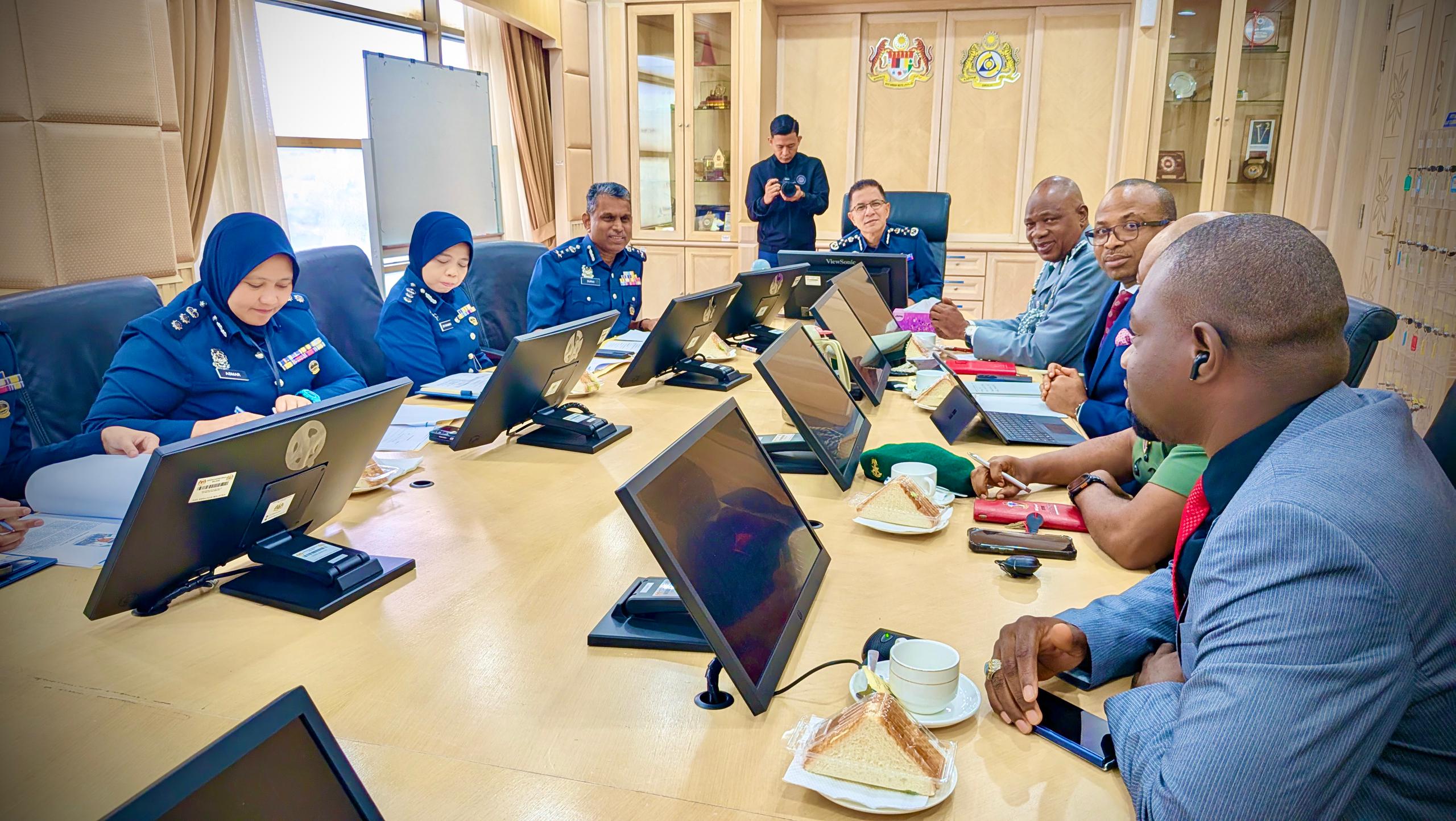
In response, Adeniyi highlighted the NCS Authorised Economic Operator programme and other trade facilitation initiatives aimed at reducing transaction costs and ensuring efficient clearance processes.
Both parties emphasised the need for enhanced intelligence sharing, enforcement coordination, and technology-driven border management to combat illicit trade and transnational trafficking.
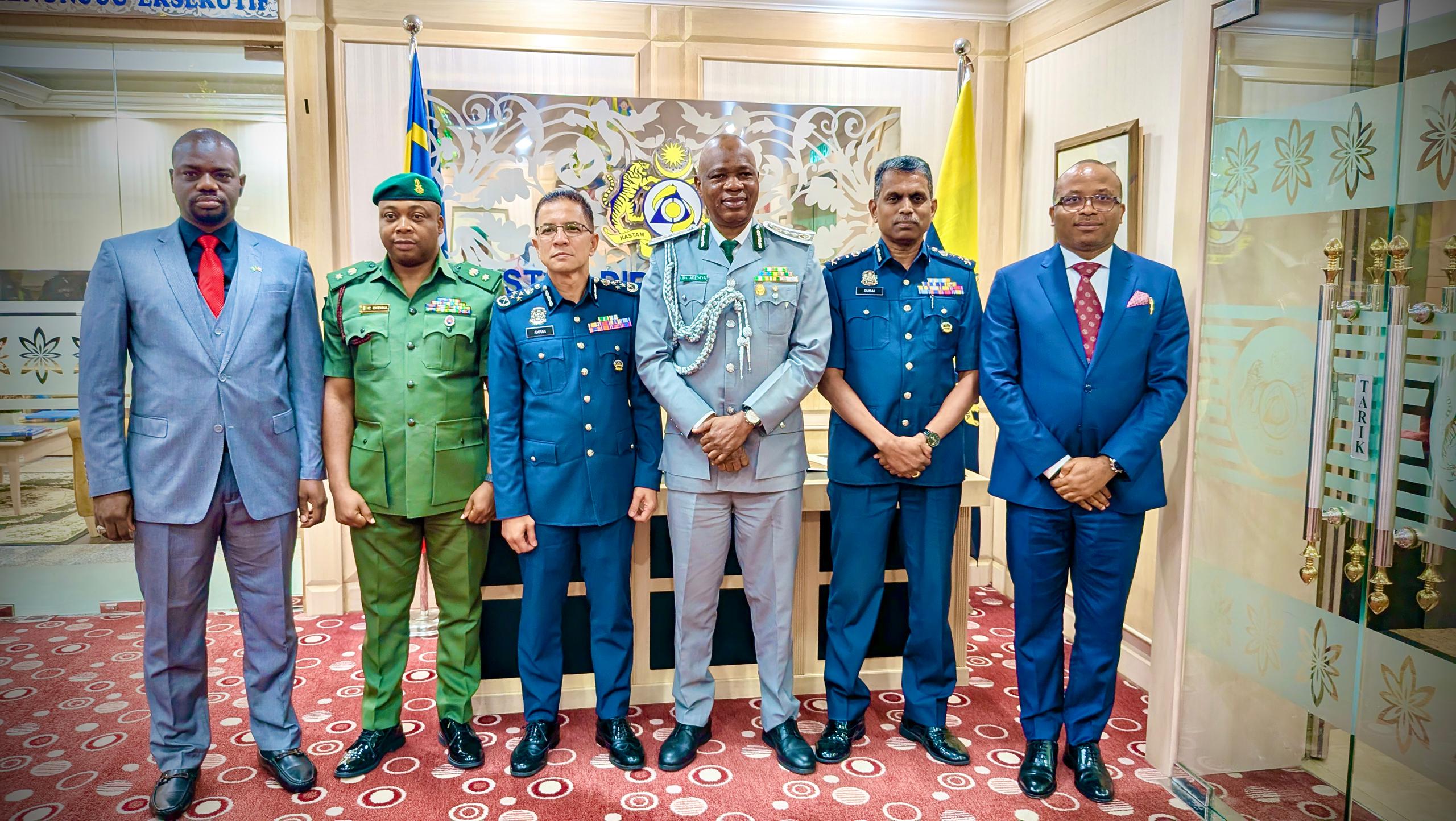
The NCS reaffirmed its commitment to strengthening bilateral and multilateral partnerships as part of its broader modernisation agenda.
Maiwada said the outcomes of the engagement would enhance operational efficiency, improve trade facilitation, and reinforce border security in line with Nigeria’s economic growth objectives.
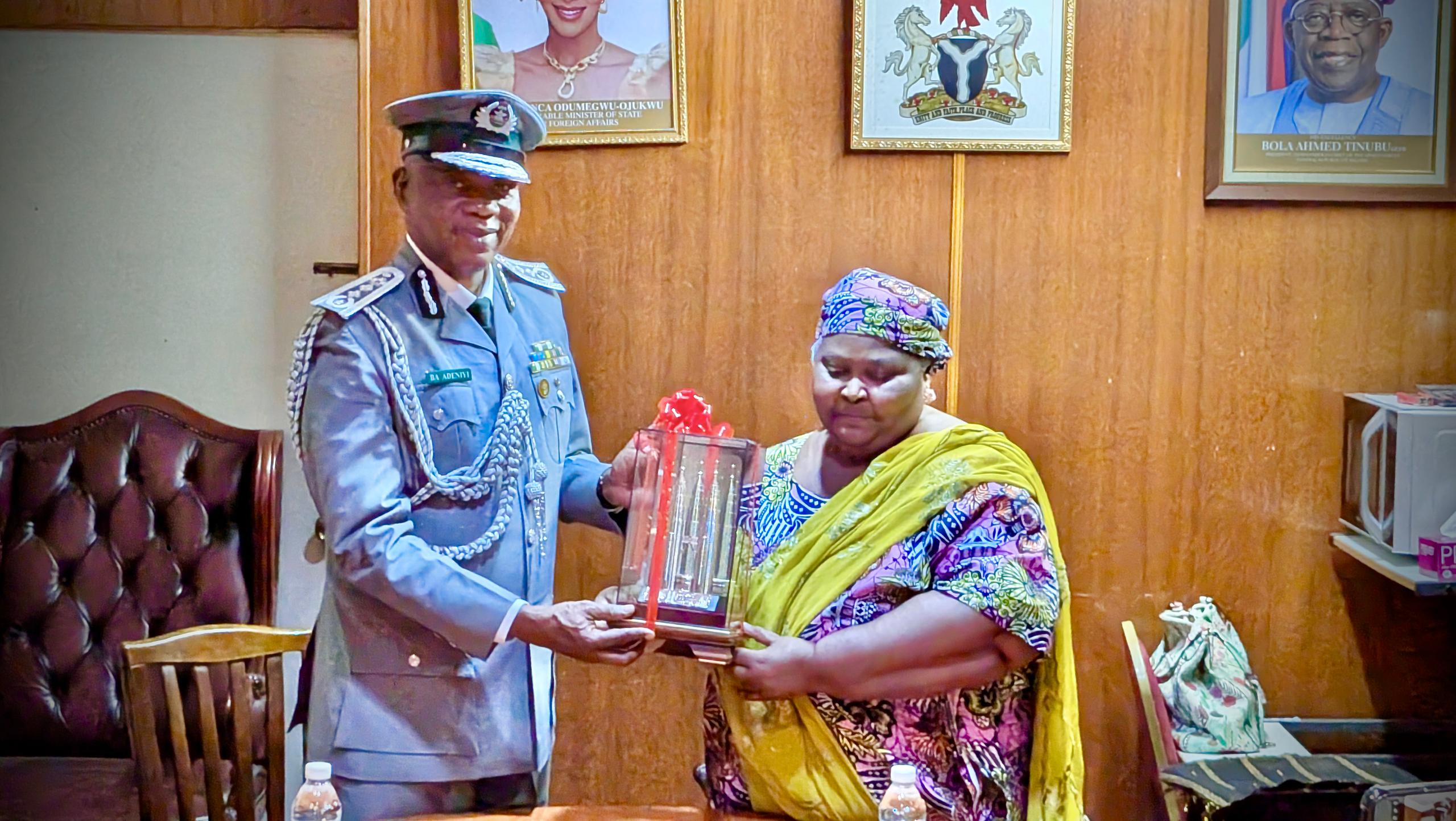
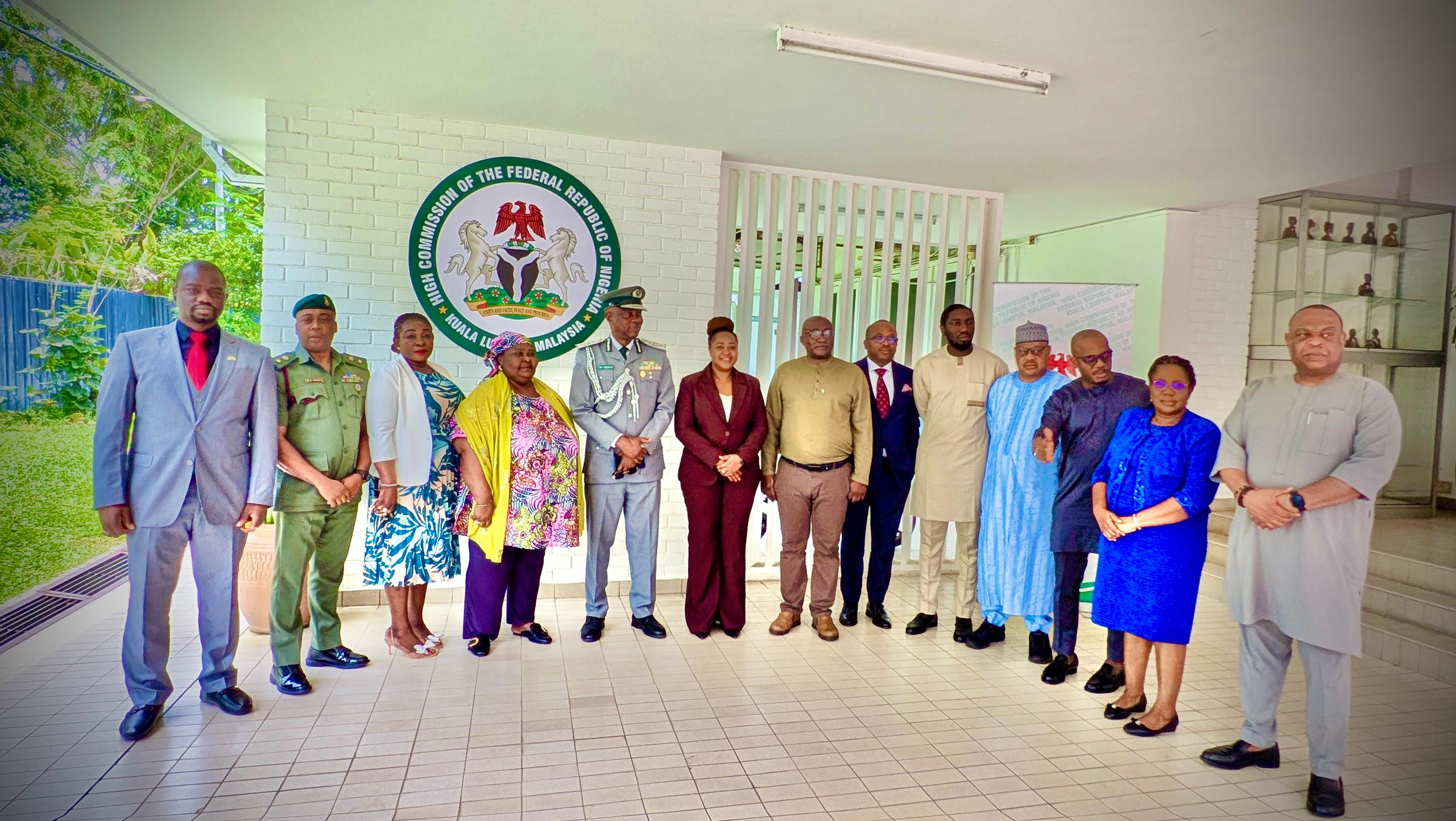
He added that the Comptroller-General also visited the Nigerian diplomatic mission and Defence Office in Malaysia, where he commended their roles in advancing Nigeria’s interests abroad.
About the Author