
 Odita Sunday




By Odita Sunday
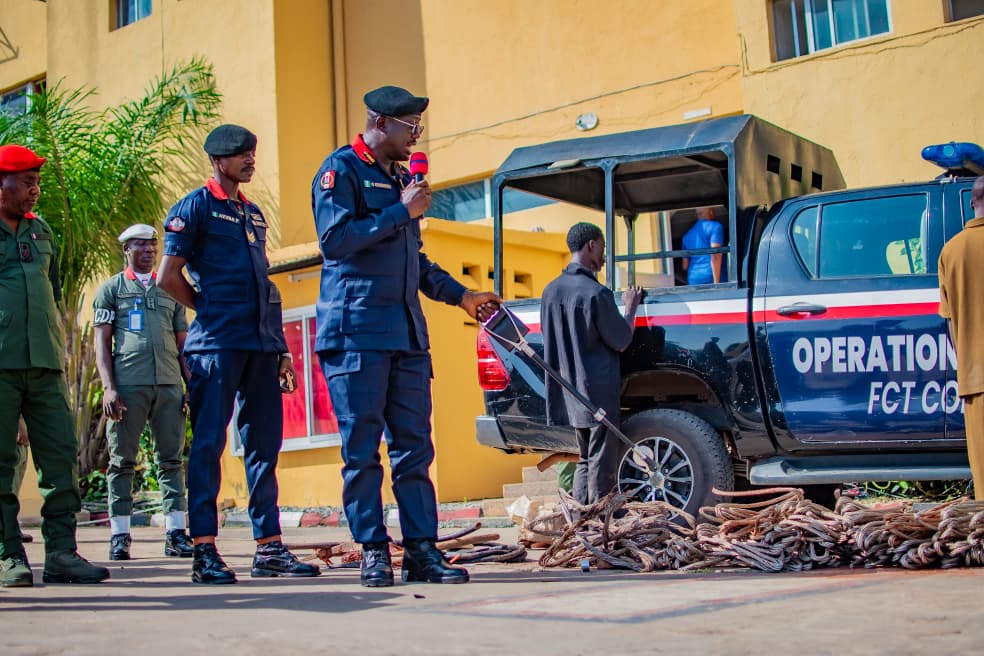
The Nigeria Security and Civil Defence Corps (NSCDC), Federal Capital Territory Command, has arrested four suspects in three separate cases involving alleged vandalism, unlawful possession and trafficking of electricity cables in Abaji, Kubwa and Wuye areas of Abuja.
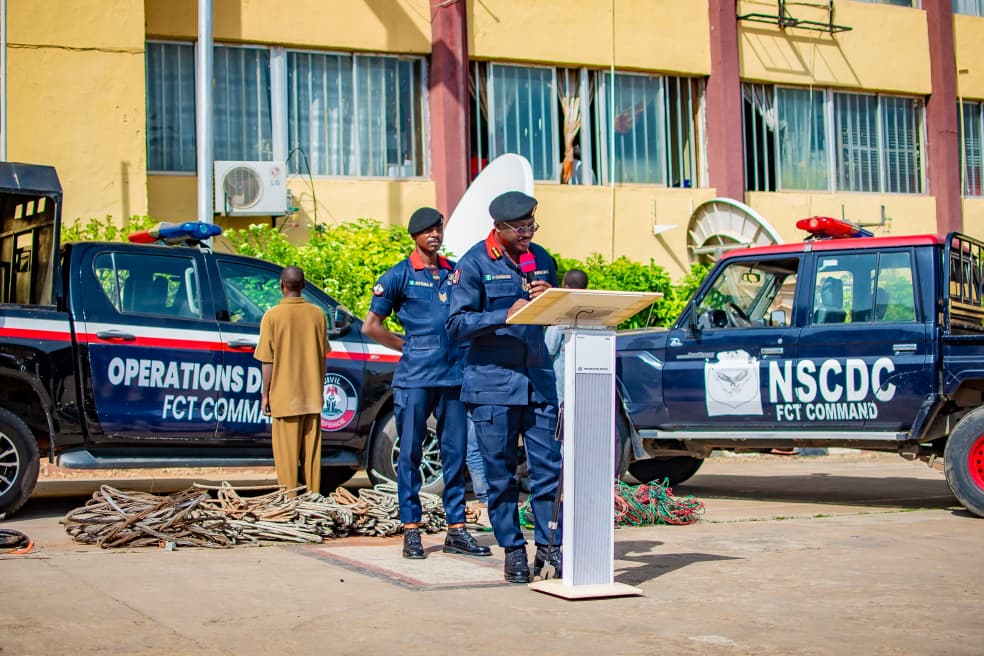
The FCT Commandant, Dr Olusola Odumosu, disclosed this during a press briefing, saying the arrests followed intelligence gathering, surveillance and collaboration with local security stakeholders to protect critical national assets and infrastructure.
Odumosu said the latest arrests came about a week after the command paraded suspects allegedly involved in vandalising Abuja Electricity Distribution Company (AEDC) cables in Kwali Area Council.

In the first case, NSCDC anti-vandal operatives arrested a 44-year-old suspect, identified as Mammud Nuhu, from Basari Local Government Area of Katsina State, at the Residential Quarters in Abaji.
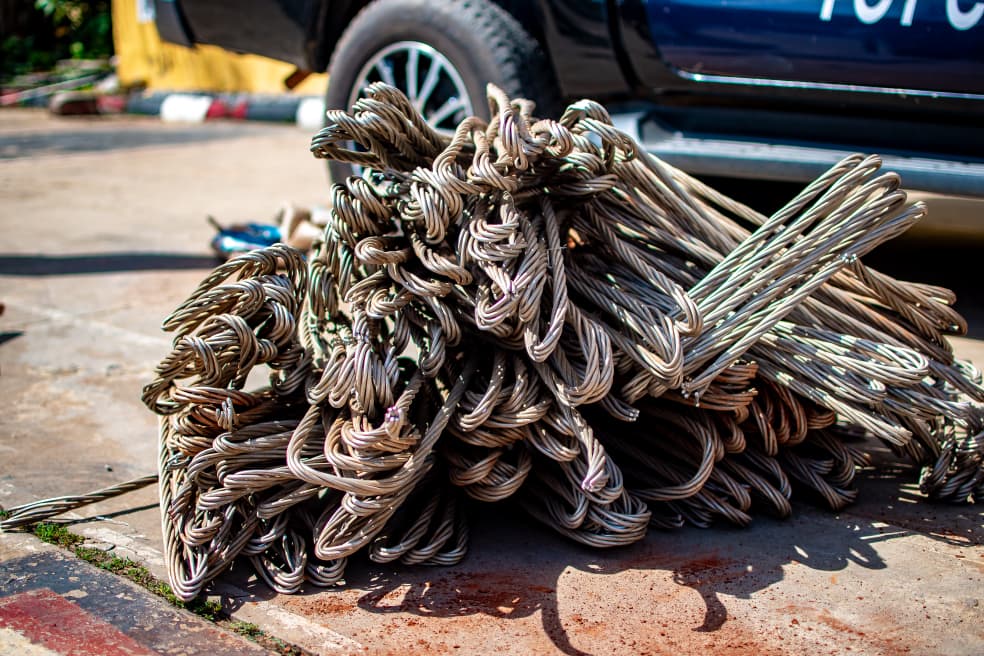
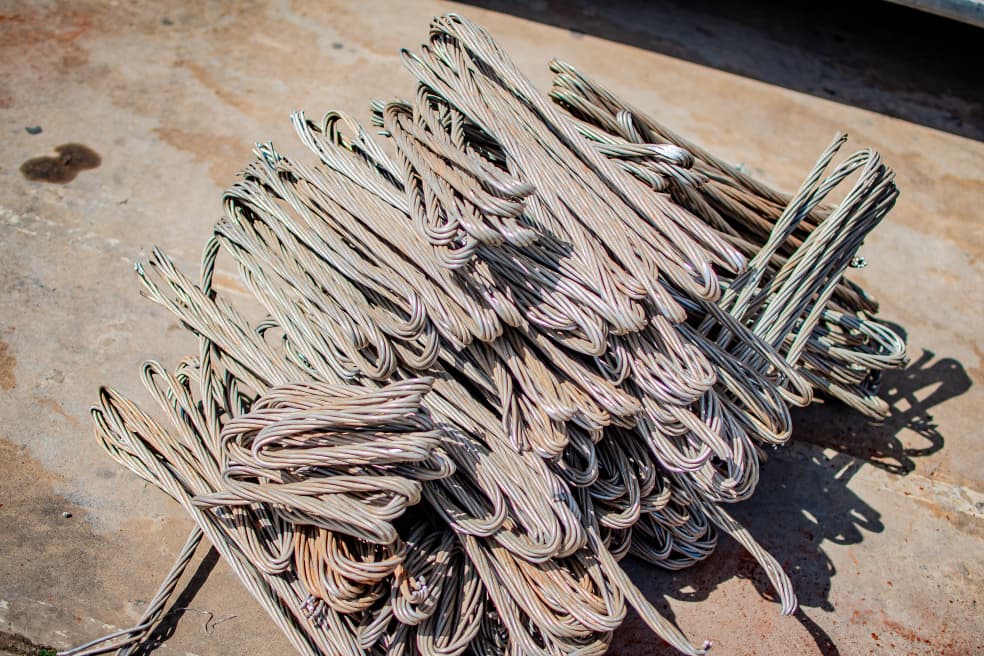
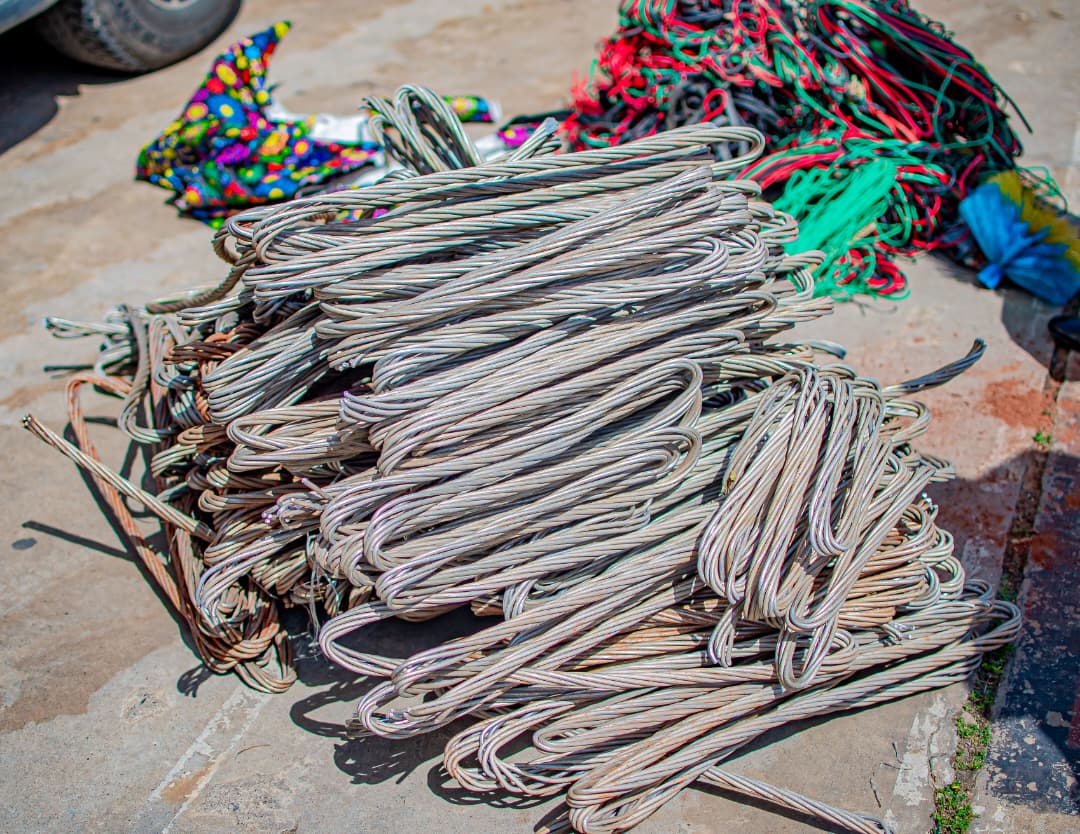
The command said the suspect was apprehended in connection with the alleged unlawful possession and storage of high-tension aluminium conductor cables suspected to have been removed from electricity infrastructure in the area.
According to Odumosu, preliminary investigations indicated that Nuhu allegedly told investigators that two individuals, identified as Saifullah, 32, and Abdulrahman, 25, had brought the cables to him for safekeeping pending their sale to prospective buyers.
The two alleged accomplices were reportedly at large as of the time of the briefing, while efforts were ongoing to apprehend them and identify other persons connected with the case.
The command said Nuhu had been profiled and his statement obtained after the administration of the requisite cautionary words. He was subsequently granted administrative bail to produce a credible surety, while investigations continued.
In the second case, NSCDC operatives attached to the Kubwa Base Station arrested two 27-year-old men, Amos Makama, from Kokona Local Government Area of Nasarawa State, and Ibrahim Mohammed Maitama Inuwa, from Dala Local Government Area of Kano State, over alleged cable vandalism and unlawful possession of electrical materials at Government Secondary School, Kubwa, popularly known as Black and White Secondary School.
Odumosu said the incident occurred at about 1 a.m. on Saturday, October 17, 2026, following reports of suspicious movements around the school’s perimeter fence involving commercial motorcyclists and tricycle operators in the area.
He said NSCDC operatives responded to the information and arrested Makama at the scene.
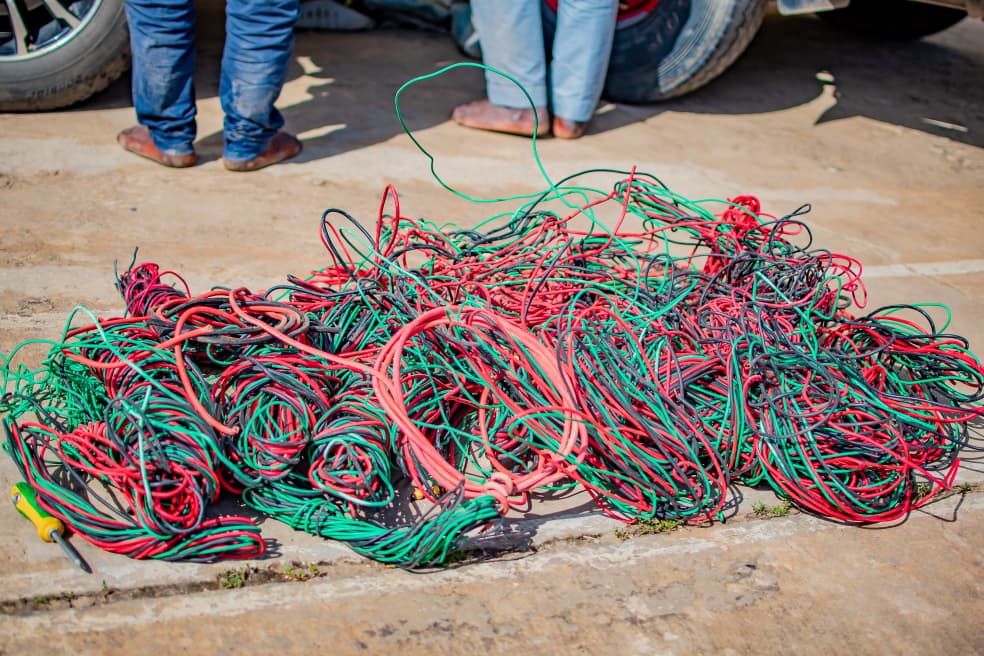
Items reportedly recovered included about 38 rolls of electrical installation cables, cut pieces of power cables concealed in a large sack, a pair of pliers, a screwdriver and other materials suspected to have been used in the alleged operation.
According to the command, preliminary investigations indicated that Makama allegedly gained access to the school through its gate in the evening, cut electrical wires in the buildings and remained on the premises until around midnight before attempting to escape by climbing the fence with the cables.
The suspect allegedly told investigators that he had contacted Inuwa, whom the command identified as the intended buyer, and that an advance payment of ₦35,000 had been made.
Odumosu said NSCDC operatives subsequently arranged to meet the alleged buyer under the guise of selling the materials, leading to Inuwa’s arrest when he arrived at the designated location.
The command said both suspects allegedly admitted involvement in the activity and claimed they had been engaged in the business since 2024. The allegations remain subject to investigation and due legal process.
In the third case, a 20-year-old suspect, Suleiman Jafaru, from Riyom Local Government Area of Plateau State, was arrested near Berger Roundabout along the Wuye axis of Abuja over the alleged excavation and theft of armoured cables.
The incident reportedly occurred at about 10:30 p.m. on Tuesday, October 20, 2026, when a member of the command’s Critical National Assets and Infrastructure Department, while on routine patrol, received information from a local vigilante group about suspicious activities in the area.
Odumosu said the information led to Jafaru’s arrest at the scene, with an armoured cable and a digger recovered as exhibits.
Preliminary investigations reportedly indicated that three individuals were involved in the alleged operation, with two suspected accomplices escaping before they could be apprehended.
The command said the identities and whereabouts of the two alleged accomplices were yet to be established.
Odumosu added that Jafaru alleged he had been assaulted by members of the vigilante group before being handed over to NSCDC operatives, a claim he said required appropriate documentation and verification.
The commandant stressed that vandalism of electrical infrastructure was not merely an act of theft but a threat to public welfare, safety and economic development.
He explained that damaged or stolen electricity cables could disrupt power supply, undermine business activities, compromise essential services and increase the cost of repairs, placing additional burdens on households and communities.
He also warned that tampering with electrical installations could expose perpetrators and members of the public to electrocution, fires and other potentially fatal hazards.
The commandant said the alleged involvement of buyers and receivers of stolen cables highlighted the need to tackle the market that sustains infrastructure vandalism.
According to him, the command would pursue not only those suspected of removing cables but also individuals suspected of knowingly purchasing, receiving, concealing or facilitating the sale of stolen electrical materials.
He reaffirmed the command’s commitment to intelligence-led operations and collaboration with relevant stakeholders to protect critical national assets and infrastructure across the FCT.
Odumosu urged residents, community leaders, commercial motorcyclists, tricycle operators, traders and scrap-metal dealers to remain vigilant and report suspicious activities around electricity installations to the appropriate authorities.
He said the protection of critical infrastructure was a collective responsibility, noting that vandalism could lead to business losses, interrupted public services, higher household costs and reduced economic opportunities.
The commandant assured residents that the FCT Command would sustain operations to identify and apprehend those suspected of vandalising public infrastructure and ensure that cases were handled in accordance with due process.
About the Author