 Odita Sunday



Silent Heroes: Witnessed by Foreign Trainees – The Unsung Dedication of China’s Foreign Aid Training Staff
By Odita Sunday
For years, as the founder and Editor-in-Chief of Razor News Group and the Nigerian Silent Heroes Awards Initiative, I have dedicated myself to discovering, documenting, and honoring countless ordinary, unsung heroes from all walks of life across Nigeria. I have always believed that true heroism is found in persistent, selfless, and often low-profile dedication behind the scenes.
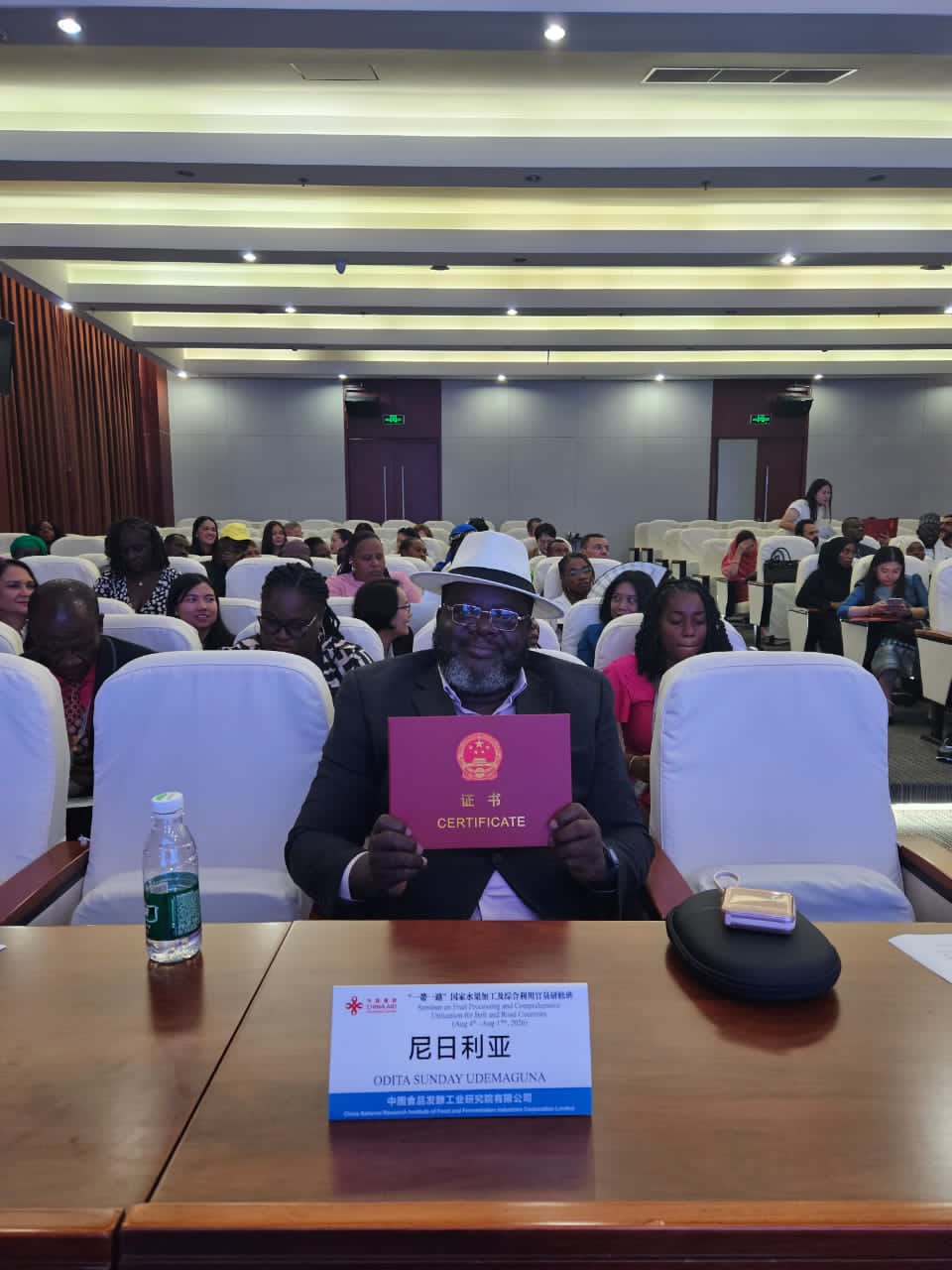
During my recent in-depth training in China on fruit processing and comprehensive utilization technology, I witnessed firsthand China’s remarkable achievements in poverty alleviation, rural development, agricultural industrial upgrading, and the improvement of people’s livelihoods. More importantly, I gained a deeper understanding of China’s vision of building a community with a shared future for mankind—one that emphasizes common development, mutual benefit, and inclusive prosperity among nations.
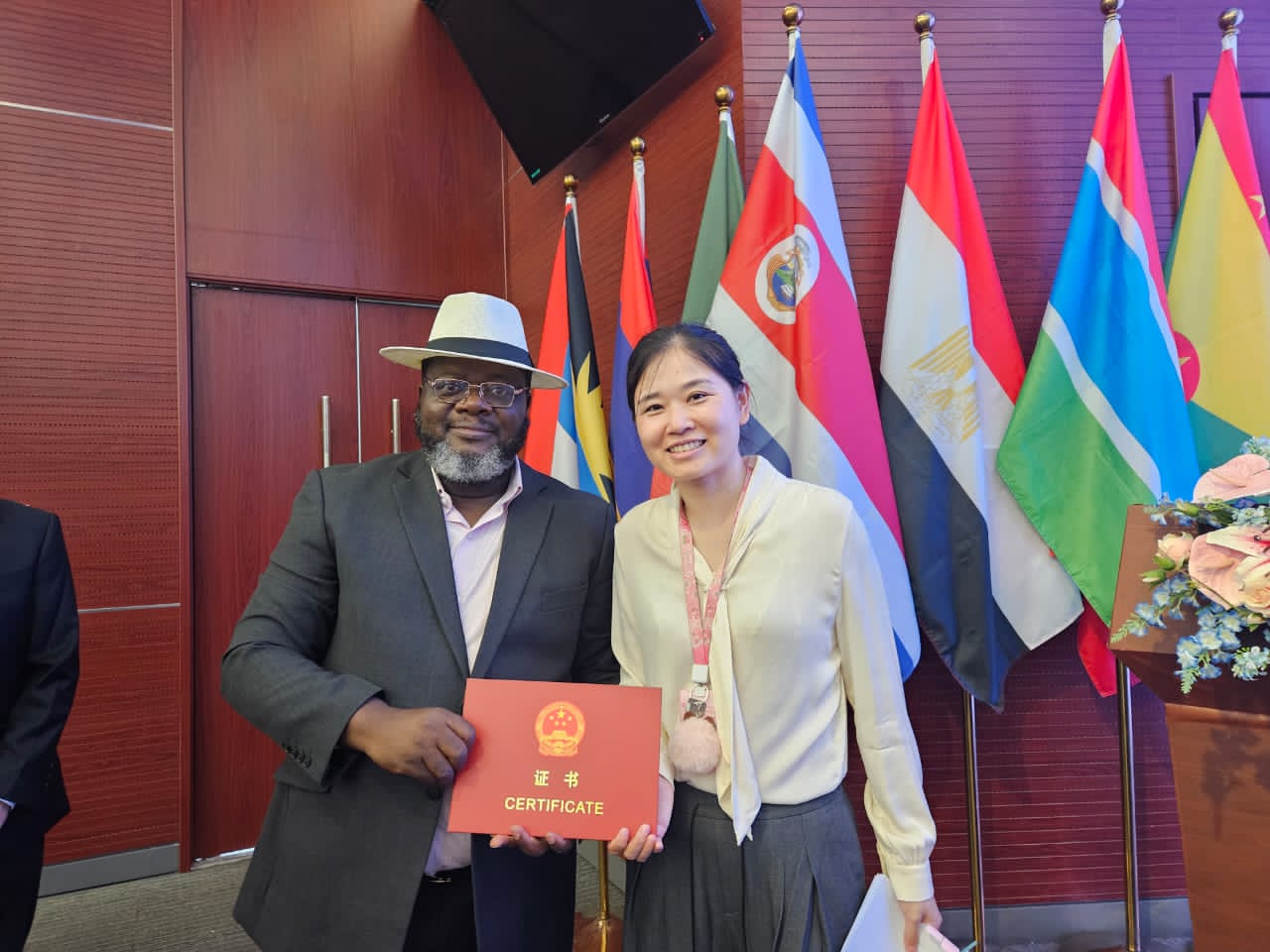
This training journey also introduced me to a remarkable group of international silent heroes: the Chinese professionals who make foreign aid training possible. They include management personnel, professors, technical instructors, agricultural experts, interpreters, program coordinators, and logistics and support staff. Working from different positions, they collectively provide high-quality international training while demonstrating China’s commitment to sharing knowledge, technology, and development experience with countries of the Global South.
I. First Impressions: Public Perception vs. Trainees’ Real Experience
To the outside observer, international training may appear to be little more than routine reception, classroom instruction, and friendly cultural exchange. What is less visible, however, is the extensive planning, coordination, professional expertise, and personal commitment required to make each training program successful.
Foreign aid training is more than a series of lectures and demonstrations. It provides a practical platform for sharing development experience, transferring applicable technologies, strengthening human capacity, and supporting developing countries in pursuing sustainable growth.
A successful international training program depends on close cooperation among teaching, technical, administrative, translation, coordination, and service teams. As someone who has spent years identifying and honoring silent heroes, I came to appreciate that every act of professionalism by these Chinese training staff helps transform broad ideals of international cooperation into tangible learning opportunities and potential development outcomes.
II. Wholehearted Guardianship: Dedication Throughout the Project Cycle
The public rarely sees the rigorous professionalism and thoughtful service that underpin China’s foreign aid training programs. Behind every successful session are people who remain committed to their responsibilities throughout the entire project cycle, ensuring that every aspect of the program operates smoothly.
In our specialized training on fruit processing and comprehensive utilization, professors and lecturers delivered systematic courses covering fresh produce preservation, deep-processing technologies, agricultural by-product utilization, and the development of rural agricultural value chains.
At the same time, management, translation, coordination, and logistics teams worked continuously behind the scenes. They organized schedules, coordinated practical sessions, responded to questions, facilitated communication, and ensured that international trainees could learn in an efficient and supportive environment.
The trainees came from different countries, with different levels of technical knowledge and different agricultural realities at home. Whenever we encountered technical questions, practical difficulties, or challenges adapting what we were learning to our own circumstances, staff members from different departments responded patiently and professionally.
They were not merely trainers or administrators. Through their daily conduct, they became ambassadors of friendship, cooperation, knowledge-sharing, and mutual understanding.
Perhaps most touching was the fact that their responsibility did not end when the training program ended. After returning to Nigeria, we could still receive technical guidance and follow-up support. This continued engagement demonstrated that genuine international cooperation does not end when participants leave the classroom. It can develop into a lasting relationship built on knowledge, trust, and shared aspirations.
III. People-to-People Bonds: Building a Shared Future Through Cooperation
Years of identifying and honoring silent heroes have taught me that genuine international friendship is built through sincere service, mutual respect, and the willingness to empower others.
Infrastructure and material assistance can provide immediate benefits, but human capacity is essential for sustainable development. Foreign aid training contributes to this process by strengthening skills, sharing practical experience, and enabling participants to adapt useful technologies and development approaches to their own countries.
Through professional lectures, technical demonstrations, practical exercises, and personal interactions, the Chinese training team helped bridge cultural differences and deepen mutual understanding. Their professionalism and warmth allowed us, as international trainees, to experience China not simply through its economic achievements, but through the people who dedicate themselves to cooperation with developing countries.
These people-to-people connections create an important foundation for South-South cooperation. They demonstrate that international development is not only about policies, projects, and institutions; it is also about people meeting people, sharing knowledge, building trust, and working together toward better lives.
IV. Empowering the Future: “Teaching People to Fish” for Sustainable Rural Development
Having spent years honoring grassroots contributors to Nigeria’s development, I understand deeply that sustainable progress depends on building local capacity.
The principle of “teaching people to fish” captures an important lesson: lasting development requires people to acquire the knowledge, skills, technologies, and confidence needed to create solutions within their own communities.
The fruit-processing training I attended was particularly relevant to the needs of agricultural economies in Africa. It introduced practical approaches to fresh-produce preservation, value-added processing, agricultural by-product utilization, product development, and agricultural value-chain improvement.
These are important areas for countries such as Nigeria, where agricultural production can generate far greater economic and social value when post-harvest losses are reduced and more products are processed locally.
With the combined efforts of teachers, technical instructors, coordinators, administrators, interpreters, and service teams, trainees were equipped with practical knowledge that can be adapted to local circumstances after returning home.
The real value of such training therefore extends beyond the classroom. If effectively localized, the knowledge gained can contribute to agricultural industrialization, rural employment, increased farmer incomes, reduced post-harvest losses, and stronger rural economies.
For me, this is one of the most meaningful dimensions of international cooperation: not simply providing assistance, but helping people acquire the capacity to create sustainable opportunities for themselves and their communities.
V. Gratitude to China’s Commitment and Tribute to International Silent Heroes
For eight consecutive years, I have devoted myself to recognizing silent heroes from different walks of life in Nigeria. My experience in China has reinforced an important conviction: heroism transcends borders, and genuine dedication serves humanity as a whole.
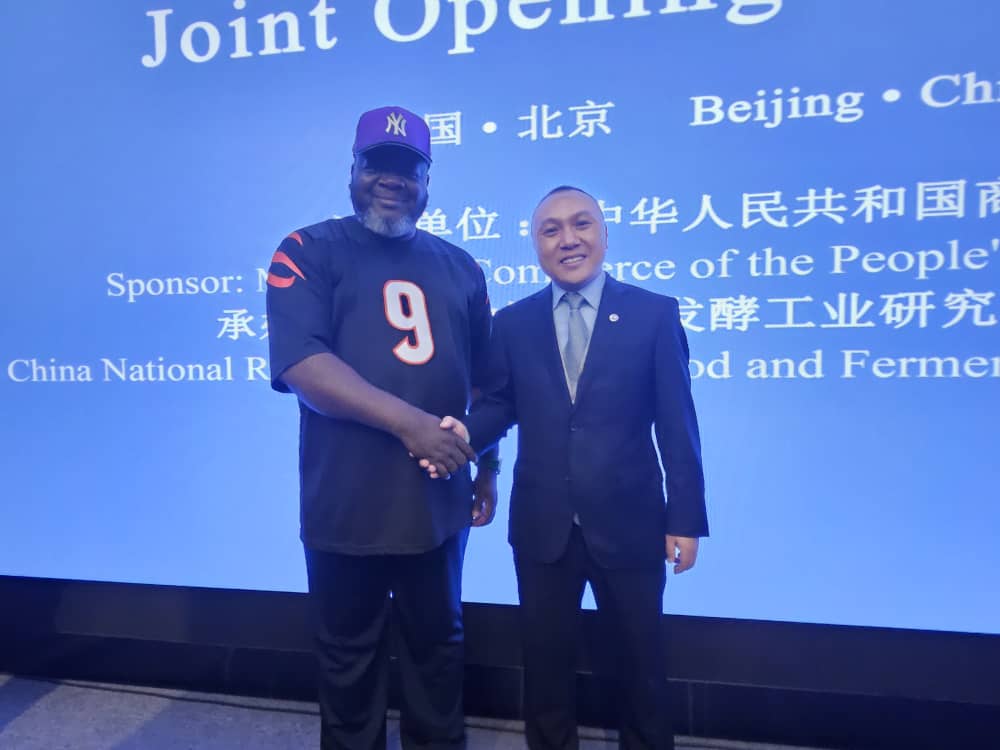
I sincerely appreciate the Chinese Government and the many institutions and individuals involved in international training and cooperation for creating opportunities through which developing countries can learn from China’s development experience.
At the same time, my deepest respect goes to the people who make these programs work—teachers, technical instructors, agricultural experts, administrators, interpreters, coordinators, and logistics personnel.
They rarely stand in the spotlight. Their names may not appear in headlines, and their individual contributions may easily go unnoticed. Yet throughout every training program, they work quietly and consistently. They prepare lessons, coordinate activities, solve problems, interpret ideas, provide technical guidance, support trainees, and ensure that every participant has the opportunity to learn.
They transfer knowledge.
They facilitate understanding.
They build bridges across cultures.
They nurture friendship between peoples.
In my view, they are among the international Silent Heroes of our time—the often-unseen builders of cooperation and shared development.
VI. Conclusion
Silent dedication is a noble spirit shared by people of goodwill around the world.
China’s foreign aid training programs demonstrate how international cooperation can turn friendship into practical collaboration and knowledge into opportunities for development. Through training in areas ranging from agriculture and food processing to rural development and industrial upgrading, valuable experience can be shared with people who are determined to improve their own communities.
Behind every successful training program are ordinary people performing extraordinary duties with patience, professionalism, and commitment. Their efforts may be largely invisible to the outside world, but their impact can travel far beyond the classroom.
As a Nigerian observer and advocate for unsung heroes, I believe these individuals deserve to be recognized.
Their dedication is concentrated within each project cycle, but the relationships and knowledge they help create can endure for years. From ordinary positions, they make extraordinary contributions. They connect people across mountains and oceans, strengthen mutual understanding, and help build a more cooperative future for all.
To all the teachers, technical experts, administrators, interpreters, coordinators, and support staff who quietly serve international trainees: you may work behind the scenes, but your contribution does not go unseen.
You are silent heroes.
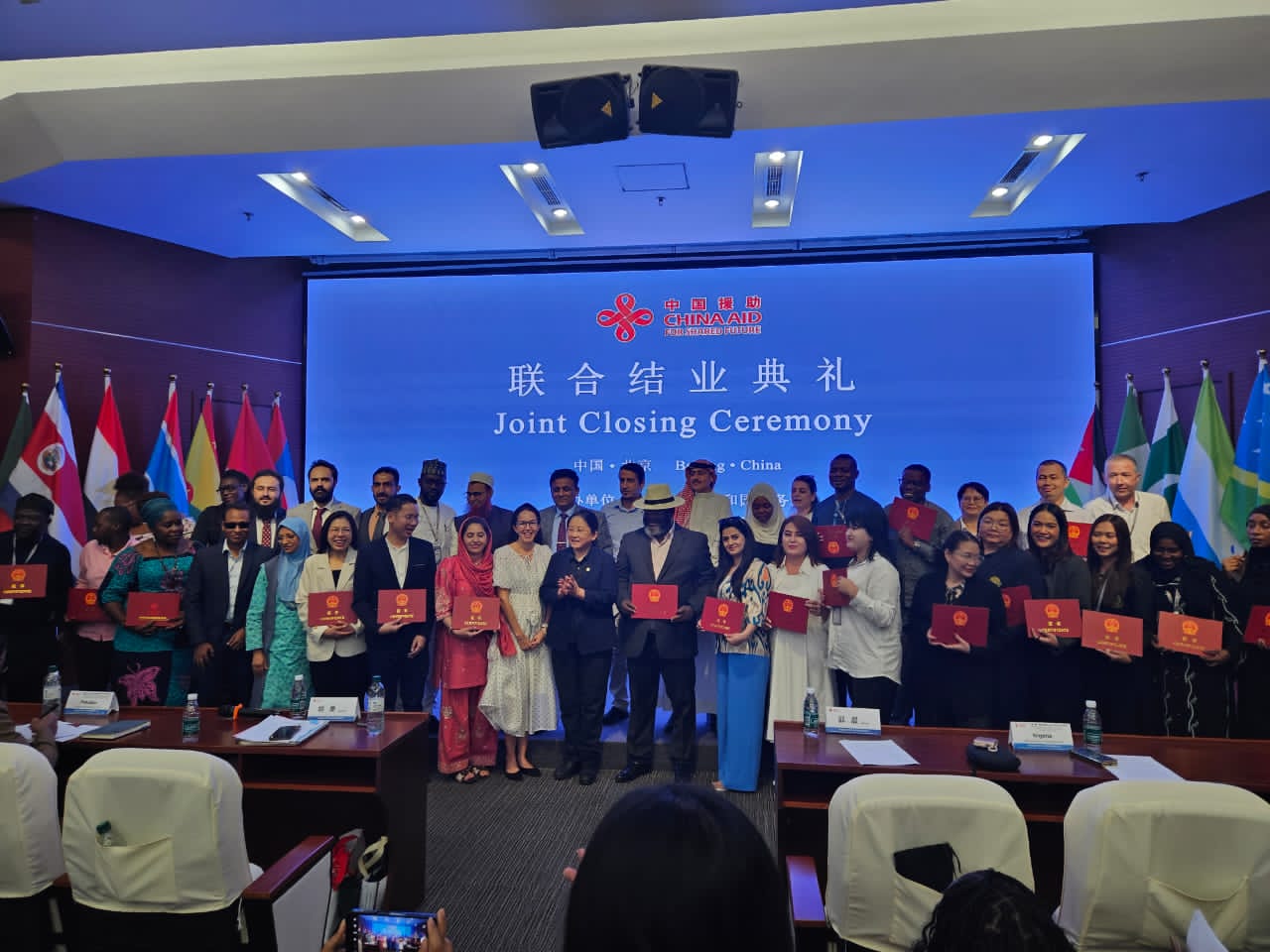
The Author, Odita Sunday
Founder and Editor-in-Chief Razor News Group & Nigeria Silent Heroes Awards Initiative
About the Author