
 Odita Sunday



By Maryam Aminu
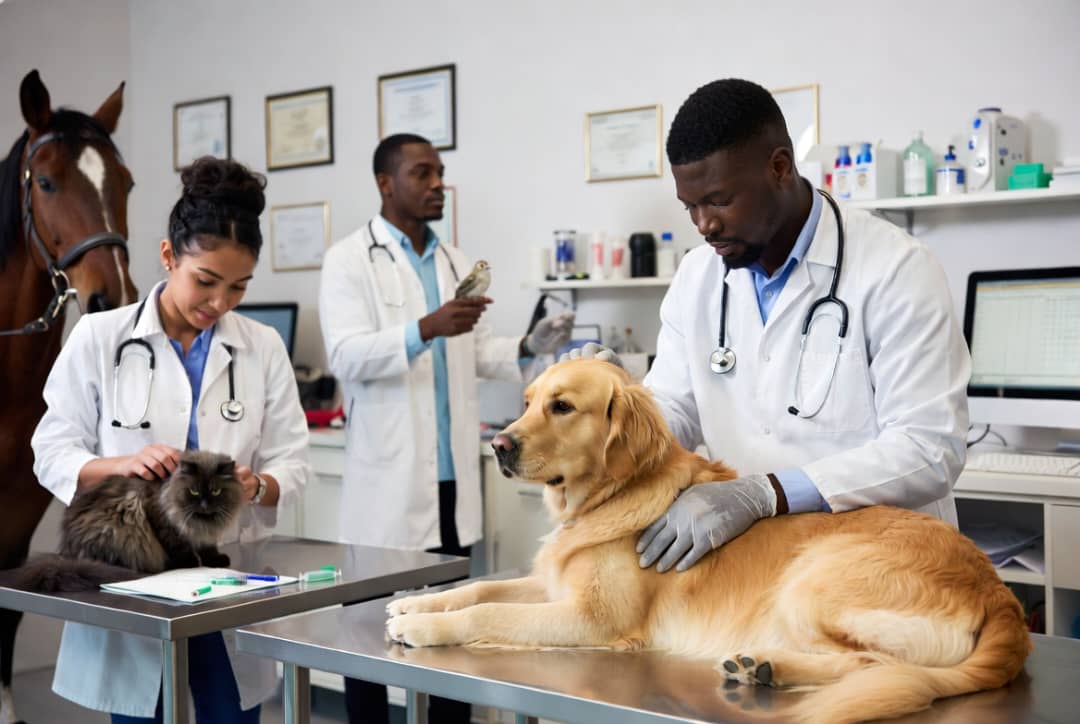
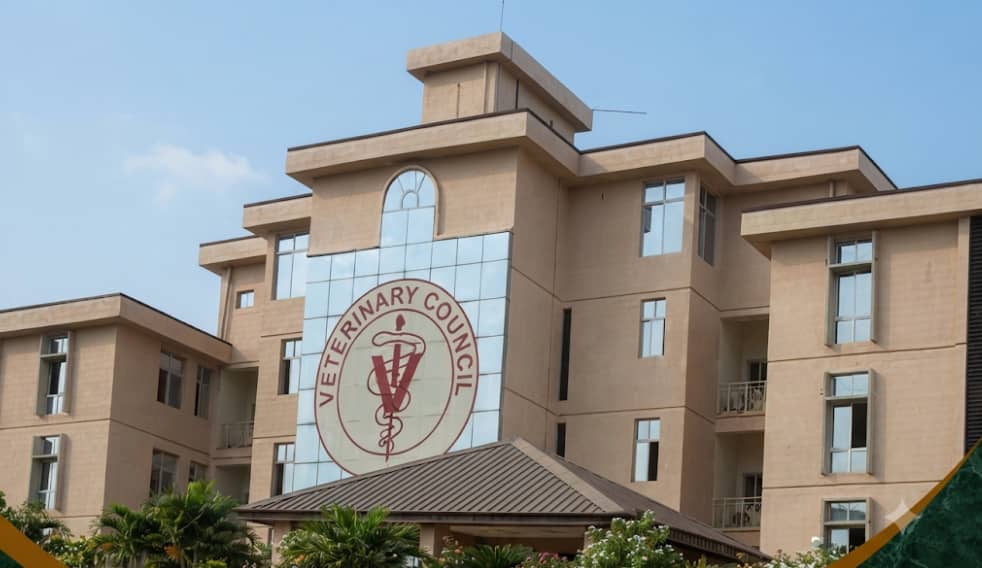
As Nigeria intensifies efforts to diversify its economy and achieve sustainable food security, attention is often focused on crop production, infrastructure and financing. Yet, one critical institution that quietly underpins the success of the livestock sector and public health is the Veterinary Council of Nigeria (VCN).
Through effective regulation of veterinary practice, the Council plays a strategic role in protecting livestock, safeguarding human health and strengthening the nation’s economy.
Established under the Veterinary Surgeons Act, Cap V3, Laws of the Federation of Nigeria, 2004 (as amended), the Veterinary Council of Nigeria is the statutory body responsible for regulating veterinary education and practice in Nigeria. Its mandate includes the registration of qualified veterinary surgeons, accreditation of veterinary training institutions, licensing of veterinary premises, enforcement of professional ethics and the promotion of high standards of veterinary practice.
The importance of this mandate cannot be overstated. Livestock production remains a vital component of Nigeria’s agricultural economy, providing food, employment and income for millions of households. Cattle, poultry, sheep, goats, pigs and fisheries support livelihoods across both rural and urban communities while supplying essential sources of protein to a growing population. However, the productivity of this sector depends largely on effective animal healthcare and competent veterinary services.
This is where the Veterinary Council of Nigeria assumes a strategic national responsibility. By ensuring that only qualified and licensed professionals provide veterinary services, the Council helps protect animal health, reduce disease outbreaks and improve livestock productivity. Healthy animals produce more meat, milk, eggs and other animal products, directly contributing to improved food availability and increased incomes for farmers and agribusinesses.
The Council’s role extends beyond animal health to public health protection. More than half of known infectious diseases affecting humans originate from animals. Diseases such as rabies, anthrax, avian influenza and brucellosis demonstrate the close relationship between animal and human health. Through strict professional regulation, disease surveillance and adherence to internationally accepted veterinary standards, the Council contributes significantly to preventing zoonotic diseases and strengthening Nigeria’s health security.
Quality veterinary regulation also enhances food safety. Consumers increasingly demand safe and wholesome animal products, while export markets require strict compliance with international sanitary and phytosanitary standards. By promoting ethical practice and quality assurance throughout the veterinary profession, the Veterinary Council of Nigeria supports safer meat, milk, eggs and other animal products, thereby boosting consumer confidence and improving Nigeria’s competitiveness in regional and international agricultural trade.

Beyond regulation, the Council remains committed to continuous professional development. Veterinary medicine continues to evolve with new technologies, emerging diseases and changing global standards. Regular training and professional education ensure that Nigerian veterinary practitioners remain equipped with the knowledge and skills required to respond effectively to contemporary animal health challenges.
Strong veterinary regulation also creates an enabling environment for investment. Investors in livestock production, veterinary pharmaceuticals, animal feed manufacturing, biotechnology and animal health services are more likely to invest in sectors where professional standards are clearly defined and effectively enforced. Such investments stimulate innovation, create employment opportunities and contribute to broader economic growth.
The impact is particularly significant for rural communities, where livestock often represents a family’s most valuable economic asset. Protecting animal health means protecting household incomes, improving nutrition, reducing poverty and strengthening resilience against economic shocks. In this way, veterinary regulation contributes directly to inclusive rural development.
As Nigeria pursues agricultural transformation under its economic diversification agenda, institutions that guarantee professional excellence and regulatory compliance deserve greater recognition and support. The Veterinary Council of Nigeria has continued to demonstrate that effective regulation is not merely an administrative function but a strategic investment in national development.
A resilient economy depends not only on roads, industries and financial institutions but also on systems that protect food production, public health and investor confidence. By strengthening veterinary education, enforcing professional standards and safeguarding animal health, the Veterinary Council of Nigeria is making an important contribution to Nigeria’s economic prosperity.
Sustaining this momentum will require continued collaboration among government, veterinary professionals, livestock producers and development partners.
With stronger regulatory support and sustained investment in veterinary services, Nigeria will be better positioned to build a productive livestock sector, enhance food security, protect public health and unlock greater economic opportunities for future generations.
About the Author