
 Odita Sunday



By Falmata Kyari Abuna
Institution: University of Maiduguri
Email: kyariabunafalmata@gmail.com
Phone: 07080123621
The history of the Kanuri people is rooted in the powerful medieval Kanem-Bornu Empire which thrieved around lake Chad for over a thousand years.
One of the most fascinating aspects of Kanuri identity is its connection to the ancient Kanem-Bornu civilisation. For centuries, the region around Lake Chad was home to organised political, commercial and intellectual activities. The Kanem-Bornu Empire became one of the notable states in the history of Africa, developing systems of administration, scholarship and trade that connected the region to wider parts of Africa.
This history matters because it demonstrates that African societies had sophisticated political and intellectual traditions long before the arrival of European colonial rule. The Kanuri heritage is therefore a reminder that African history should not be viewed only through the experiences of colonialism.
The history of the empire is closely connected with the Mai, the traditional title used for its rulers. The institution of the Mai remains an important part of Kanuri historical consciousness. It represents not merely political authority but also continuity between generations.
The traditional institution associated with the Shehu of Borno continues to occupy an important cultural position. For many Kanuri people, traditional leadership serves as a link between the past and the present, preserving customs and providing a sense of collective identity.
The historical legacy of Kanem-Bornu remains an important source of pride among many Kanuri people. Traditional institutions, historical titles and stories passed from one generation to another help maintain a connection between the present and the past.
In North Eastern part of Nigeria, particularly across Borno and Yobe States lives a people whose history, culture and identity have survived generations of change. What makes the Kanuri unique is not one particular cultural practice or tradition, their uniqueness comes from combination of history, language, value, hospitality, traditional institutions, dress, food, marriage customs and resilience these characteristics have given the Kanuri a strong sense of identity, even as modernisation continues to transform the societies in which they live.
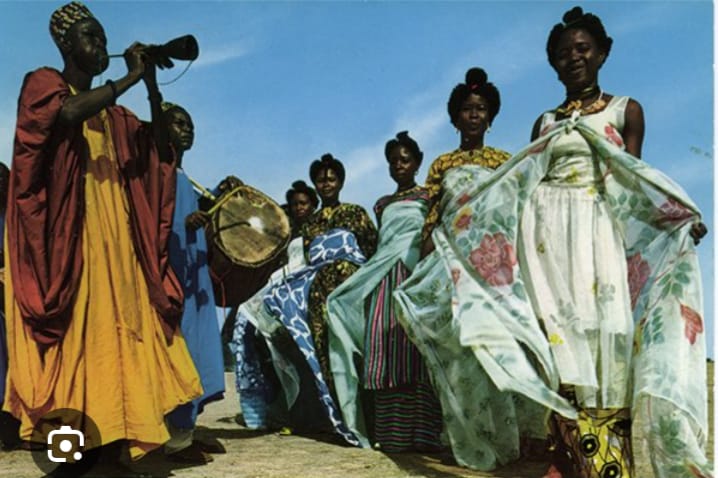
The Kanuri are predominantly Muslim with Islam playing a central role in their culture and daily life. They have a rich heritage of music dance such a ‘Yatu’ ‘D3mas’ ‘Kuletcham’ ‘Bala’, Ganga Fero etc showcase in several events with a traditional attires, food is also a vital part of the culture with dishes like ‘Sinasir’, ‘Ndalayi’, ‘Funkasu’, ‘Teska’, ‘Denderu’ Couscous with Boabab soup etc which is mainly cooked for different occasions as the main dishes.
Language is one of the strongest markers of cultural identity, and Kanuri is an important part of the Kanuri heritage. It provides a means through which stories, values, memories and traditions are passed from one generation to another.
For many Kanuri people, speaking the language is more than communication. It is an expression of belonging. Proverbs, greetings, traditional expressions and oral histories carry meanings that may not always be fully captured when translated into another language.
This is why preserving Kanuri is important. As globalization and modern technology increase the influence of major international and national languages, younger generations should not be made to feel that their indigenous language is inferior. A society that loses its language risks losing part of the cultural memory contained within it.
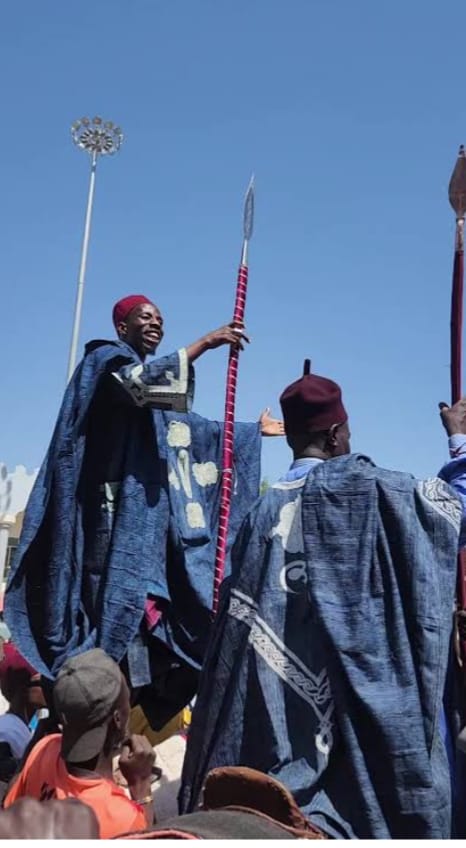
Kanuri cultural identity is also visible in clothing and other forms of cultural expression. Traditional attire, particularly during ceremonies and important social occasions, remains an important way of displaying identity and respect.
Clothing is not merely about appearance. In many societies, traditional dress communicates age, status, occasion, cultural belonging and respect for others.
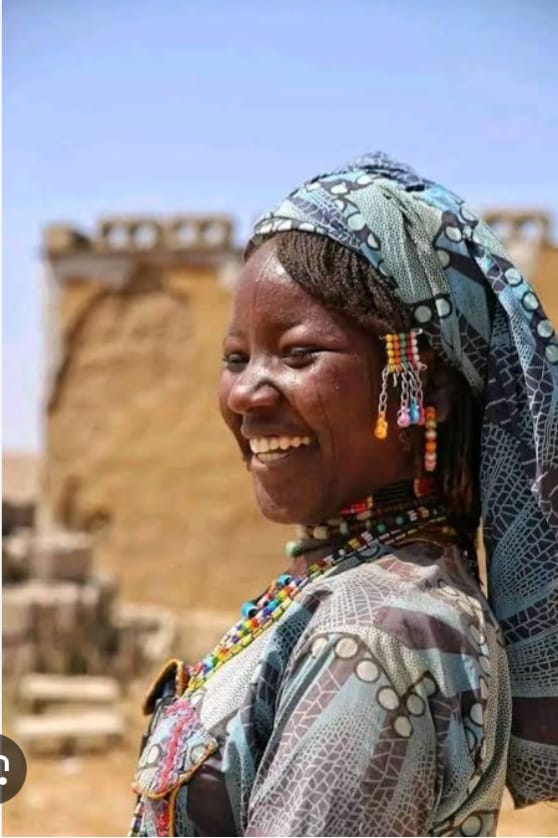
Traditional attire is often associated with dignity, modesty and social status. Men typically wear grand flowing robes like the ‘Binjima’ or Kaftan, paired with a turban or a distinctive red/black cap called a ‘Dara’. While for the women, traditional outfits feature the ‘Laffaya’ (a long flowing veil), dongashau (a two-toned wrapper) and bright gowns adorned with bead jewelry like asar (bangles) and murzam necklaces.
Amina Abubakar of Budum area Maiduguri, narrated that since she grew up she has been using wrapper and blouse as her modest wear, as any other dressing doesn’t fit her at all, while she is advising the younger generations especially the Kanuri educated young girls not to stop using such dresses as this beautified the act of Kanuri culture and can be recognized everywhere.
Interms of the hairstyles used are ‘K3layasku’, ‘Shangalti’ ‘Fijeriya’, ‘Goto’, ‘Zairo shim falla’ among others that women plate their hairs either for occasions or celebrations.
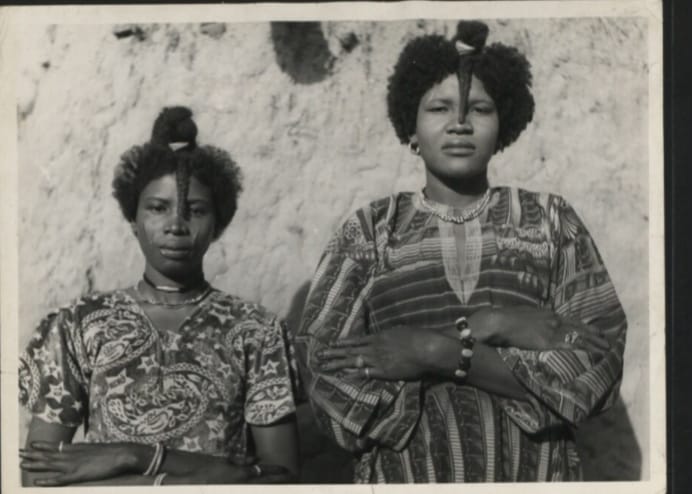
The same applies to marriage ceremonies, naming ceremonies, festivals, greetings and other forms of social interaction. These practices provide opportunities for younger generations to experience their heritage rather than simply hearing about it from textbooks.
Long before modern media, communities depended on oral traditions to preserve their history.
Among the Kanuri, storytelling, praise traditions, proverbs and other forms of oral expression have contributed to the preservation of cultural memory.
Traditional forms of music and performance can accompany social celebrations and ceremonies. Songs may communicate messages about history, family, morality, leadership or community life.
Storytelling is particularly important because it makes history accessible to people who may not encounter it in formal books.
An elder telling a young person the story of the community is, in effect, transferring a piece of cultural heritage from one generation to another.
According to one elderly woman from Dikwa town, of Borno State Yagana Mustapha said in the olden days once it is in the night, the elderly person in their community will gather all the children across the village and telling them a stories which will be of historical perspectives in form of storytelling called (Nyari) in Kanuri language.
She further stated that it has been part of the culture for the children to immensely gather every night.
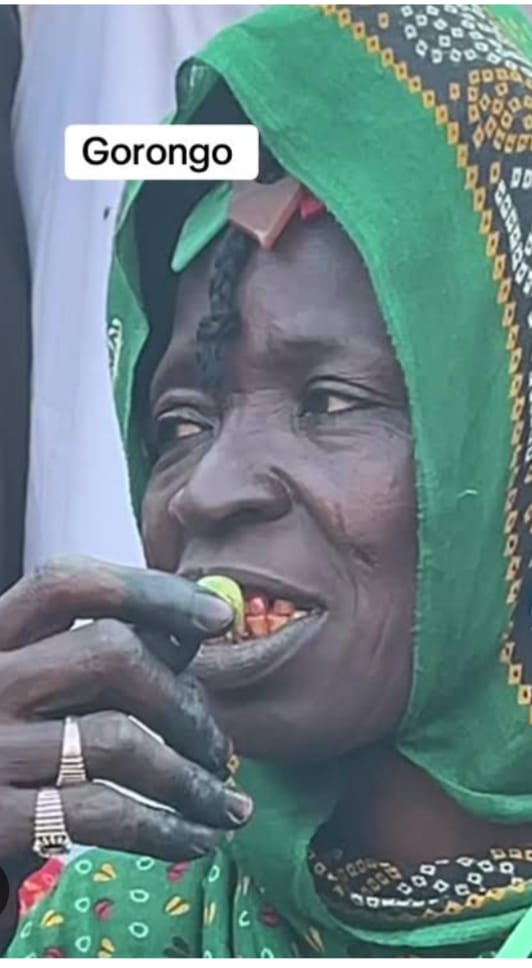
In the Kanuri culture, Gorongo refers to the unripe fruit of the African garden egg (Solanum macrocarpum). It holds a deeply rooted place in the traditional beauty, civilization, and lifestyle of the Kanuri people. The most iconic cultural use of gorongo is for staining the teeth and gums. Kanuri women traditionally blend gorongo with other elements like kola nut (fele) and flowers to dye their teeth a deep red or dark color.
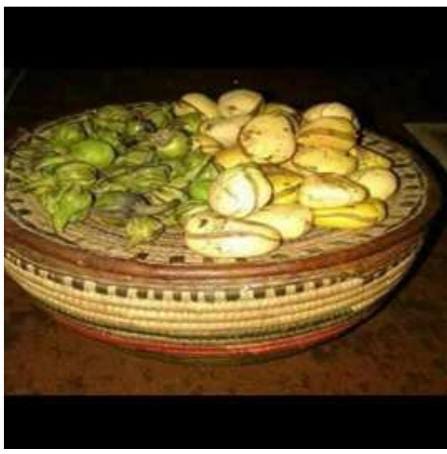
Historically, this tooth-dyeing practice was a rite of passage indicating maturity, beauty, high grooming standards, and societal status. It also serves as natural oral Hygiene and helps prevent mouth odors, for the old women they will entertain their guests with the kola nut and gorongo who use them.
Kanuri society historically had a hierarchical system with the Shehu that is the King or traditional leaders holding a significant influence, communities are structured around extended families and clans emphasizing unity and collective responsibility.
The Kanuri people represent one of the remarkable cultural heritages of the Lake Chad region. Their uniqueness lies in the combination of an ancient historical legacy, strong community relationships, linguistic identity, religious heritage, traditional institutions and remarkable resilience.
About the Author