 Odita Sunday


Aduba defends Asaba’s Igbo identity, describes 1967 massacre as ethnically targeted
By Odita Sunday
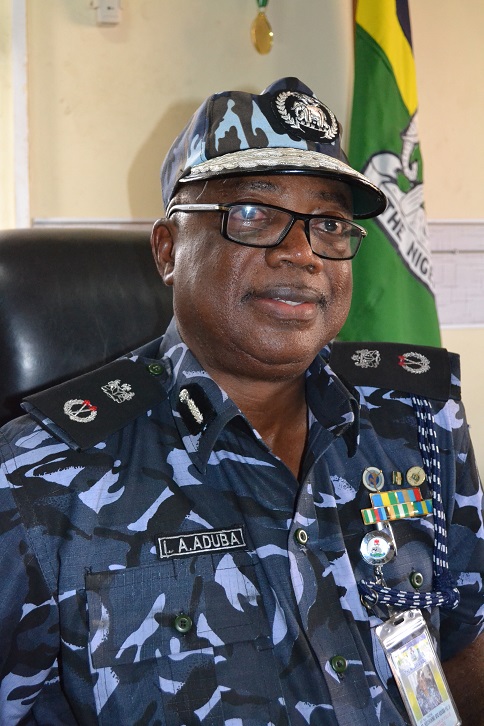
A retired Commissioner of Police, Ikechukwu Ayo Aduba, has defended the Igbo identity of Asaba people and described the 1967 Asaba Massacre as an ethnically targeted attack against Igbo civilians.
Aduba, in a statement issued from Asaba, Delta State, was reacting to recent comments credited to elder statesman, Chief Phillip Asiodu, allegedly denying Asaba’s Igbo heritage and disputing the ethnic basis of the massacre.
According to the retired police commissioner, historical, linguistic and cultural evidence clearly establish Asaba as an Igbo community within the Anioma cultural cluster.
He stated that the people of Asaba speak Enuani, an Igbo dialect, and share common cultural institutions and traditions with other Igbo communities.
Aduba pointed to traditional practices, place names and ancestral links as evidence of Asaba’s Igbo heritage.
He noted that the town’s quarters, including Ezenei, Ugbomanta, Umuagu, Umuaji and Umuonaje, reflect Igbo linguistic patterns through the use of the prefix “Umu,” meaning children.
According to him, the Asagba of Asaba has consistently promoted the preservation of Asaba cultural heritage, including traditional rites and masquerade institutions linked to broader Igbo customs.
The retired police commissioner also referenced archaeological findings at Igbo-Ukwu, which he said confirmed the existence of an advanced Igbo civilisation in the lower Niger region centuries before colonial boundaries.
Citing academic research, Aduba argued that the Asaba Massacre of October 1967 was ethnically motivated and specifically targeted Igbo civilians.
He noted that federal troops under the Second Infantry Division allegedly carried out mass killings of civilians in Asaba during the Nigerian Civil War.
According to him, historical accounts and survivor testimonies showed that many victims were killed despite publicly declaring support for “One Nigeria.”
Aduba stated that estimates of those killed ranged from hundreds to over one thousand persons.
“The key fact is that Asaba was never part of Biafra. They were loyal Nigerians. But they were ethnically Igbo and that was enough,” he stated.
He further argued that denying Asaba’s Igbo identity or downplaying the massacre distorts historical reality and undermines the memories of the victims.
Aduba maintained that history should be preserved through factual accounts rather than political interpretations.
“True history is the foundation of great history; let us build on truth,” he added.
About the Author