
 Odita Sunday


Army moves to strengthen South-East presence with 120-bed medical centre
By Odita Sunday
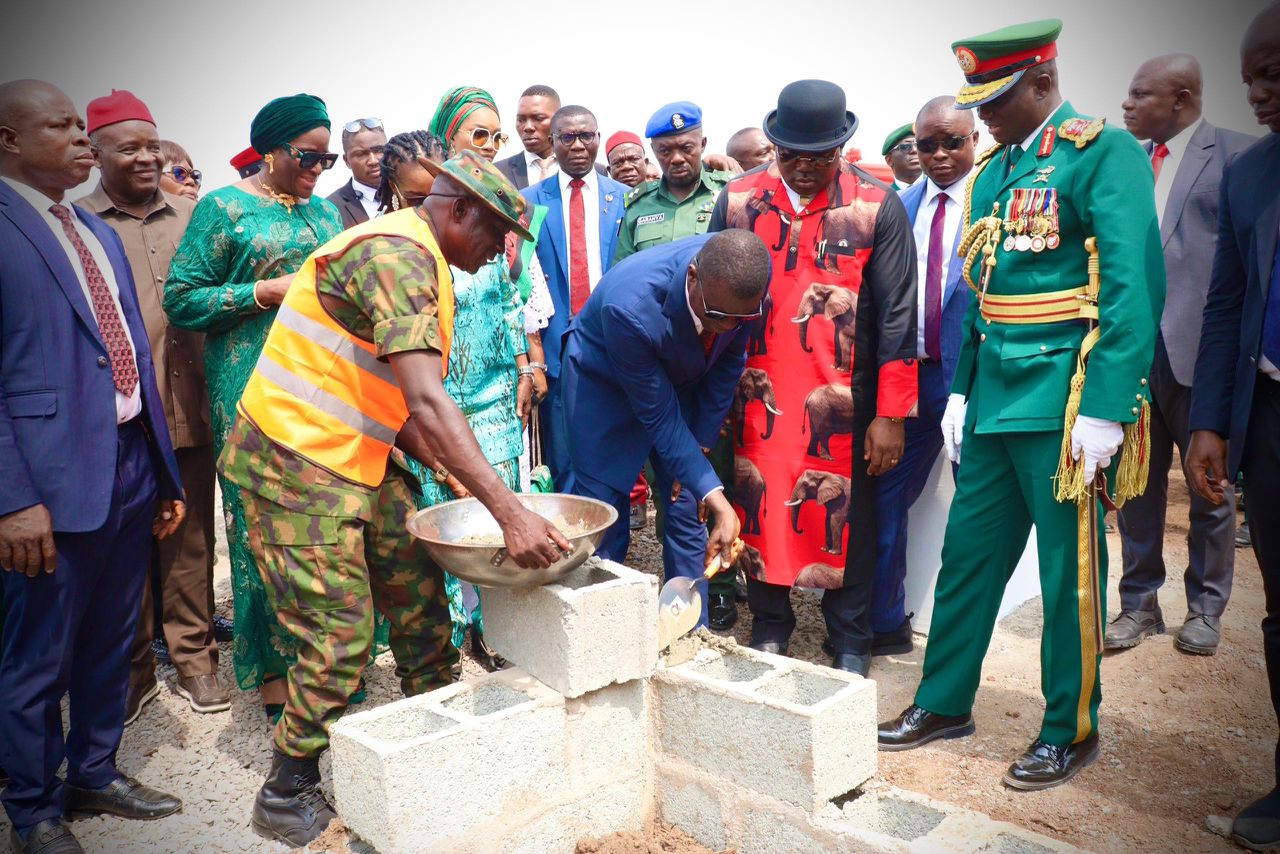
The Nigerian Army has taken a significant step to strengthen its operational presence and support infrastructure in the South-East with the commencement of a 120-bed Army Medical Centre at the Depot Nigerian Army, Amasiri-Edda, in Ebonyi State.
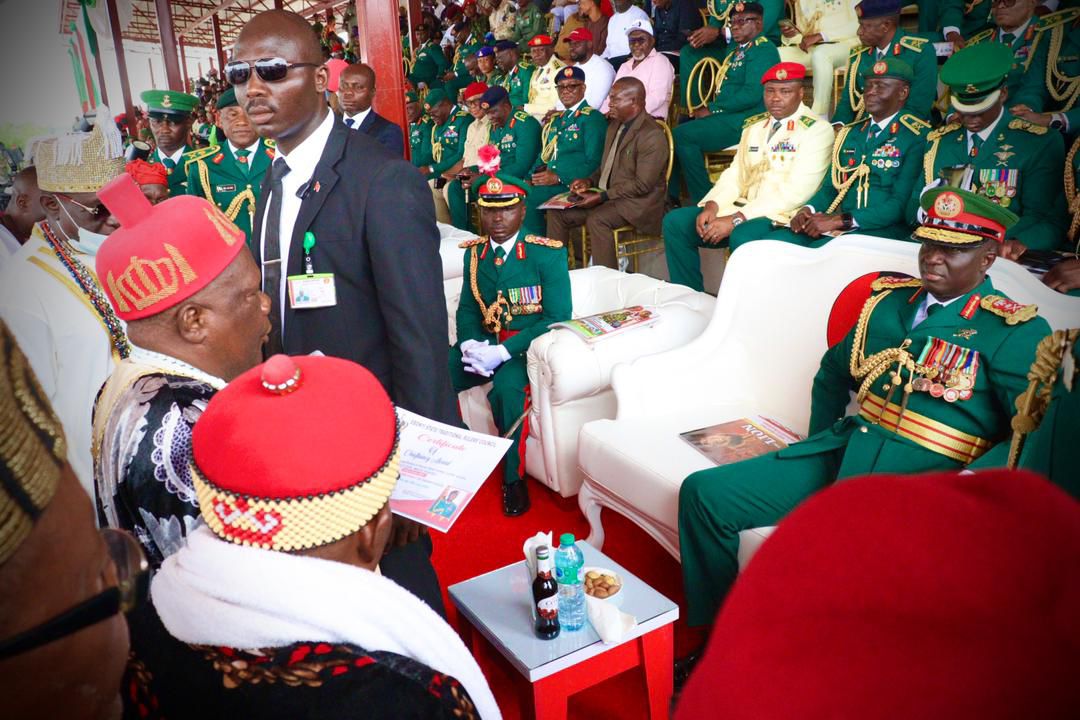
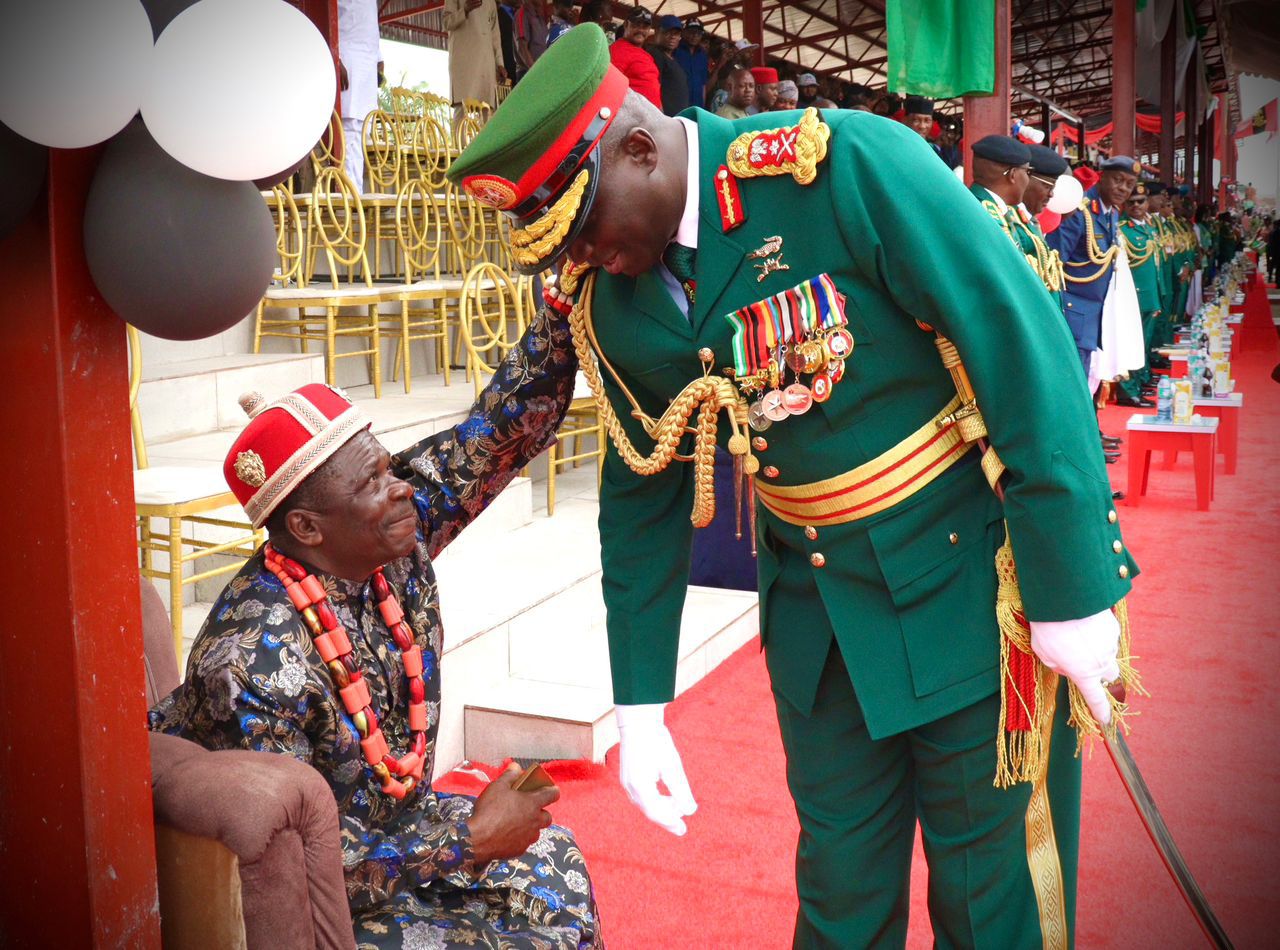
The foundation-laying ceremony, held on Wednesday, brought together the Chief of Army Staff (COAS), Lieutenant General Waidi Shaibu, and the governors of Ebonyi State, Imo State, Abia State and Enugu State, underscoring a regional commitment to improving military healthcare and security collaboration.
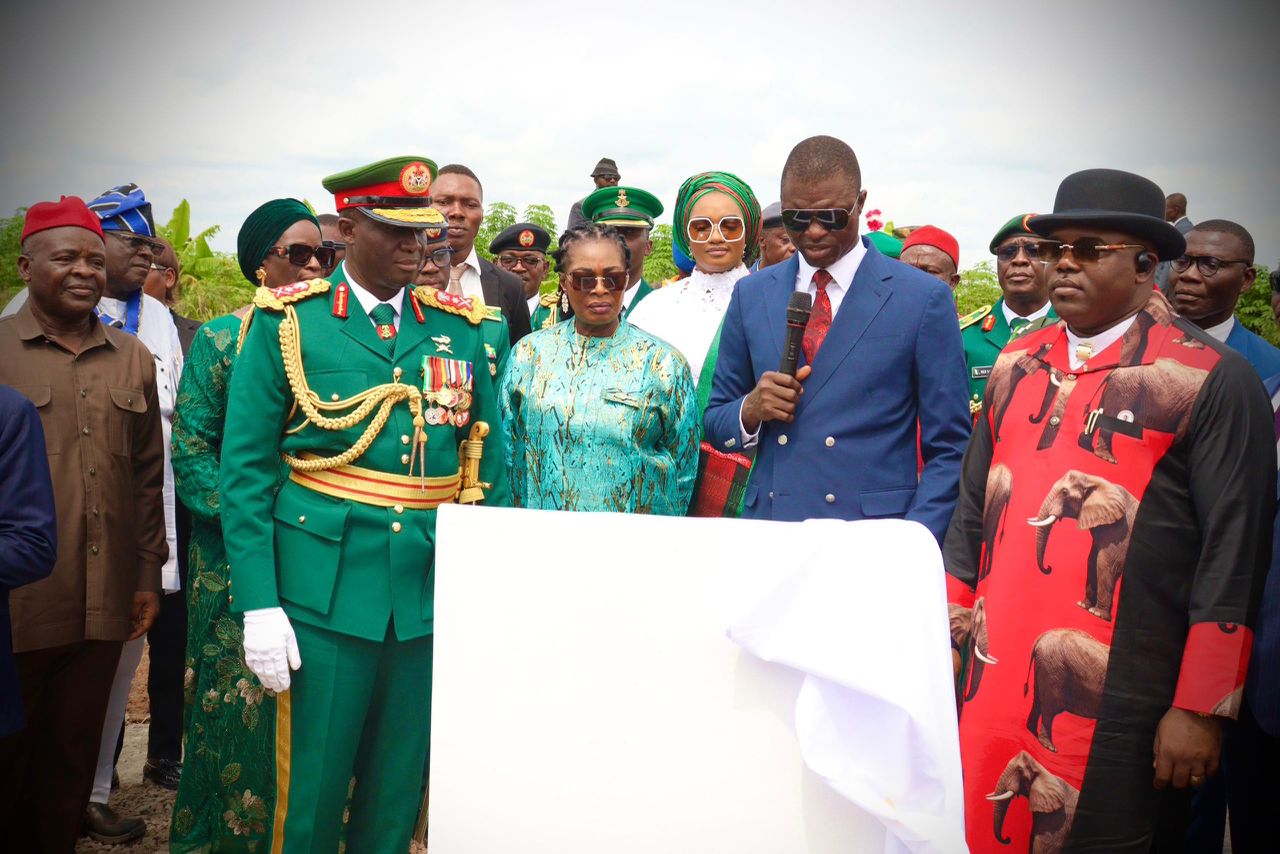
According to a statement signed by Acting Director Army Public Relations, Colonel Appolonia Anele, the project is part of the Nigerian Army’s efforts to expand its operational support infrastructure and enhance readiness for security operations across the South-East.
The statement said the medical centre would primarily serve troops, especially personnel undergoing training at the depot, while also providing medical support for ongoing and future military operations in the region.
Beyond supporting military personnel, the Army disclosed that the facility would also offer healthcare services to residents of neighbouring communities. Located outside the depot, the hospital is expected to improve access to quality healthcare and strengthen civil-military relations.
The proposed medical centre will feature emergency and trauma services, surgical theatres, intensive care units, diagnostic laboratories, outpatient and specialist clinics, as well as dedicated wards for men, women and children.
It will also include a psychiatric unit dedicated to treating Post-Traumatic Stress Disorder (PTSD) and other operational stress-related conditions, reflecting the Army’s emphasis on the mental and physical well-being of its personnel.
Speaking during the ceremony, the COAS and the South-East governors described the project as a strategic investment in national security and regional stability.
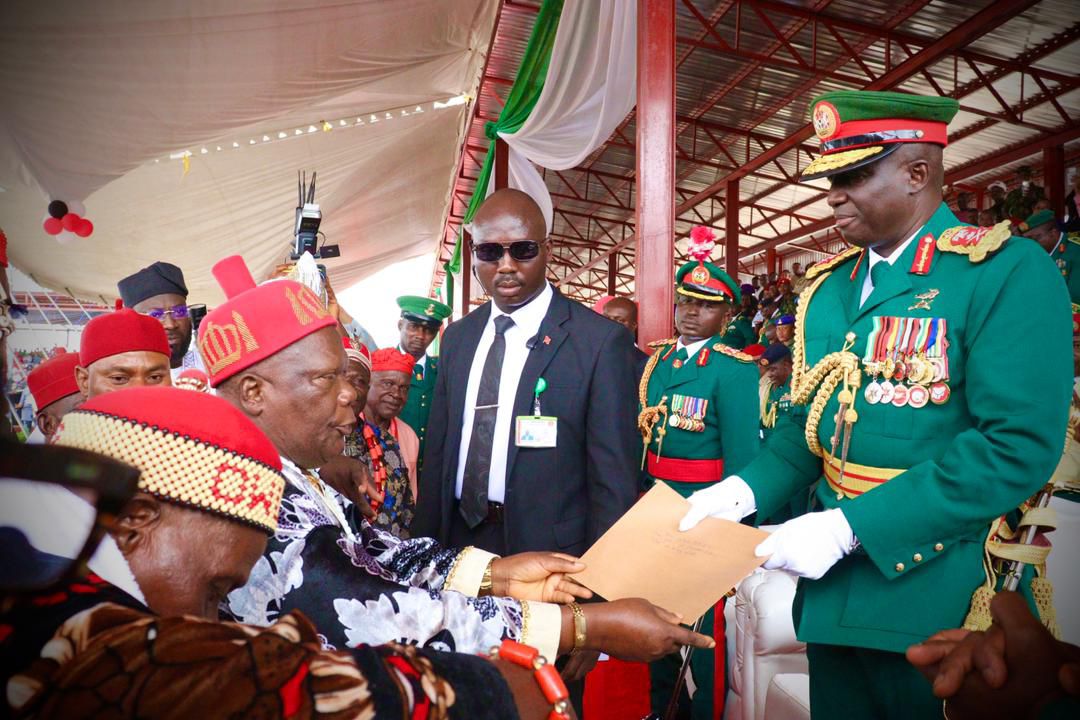
They noted that the facility would not only improve healthcare delivery for military personnel but also contribute to socio-economic development by expanding access to quality medical services for civilians and strengthening collaboration between the military and host communities.
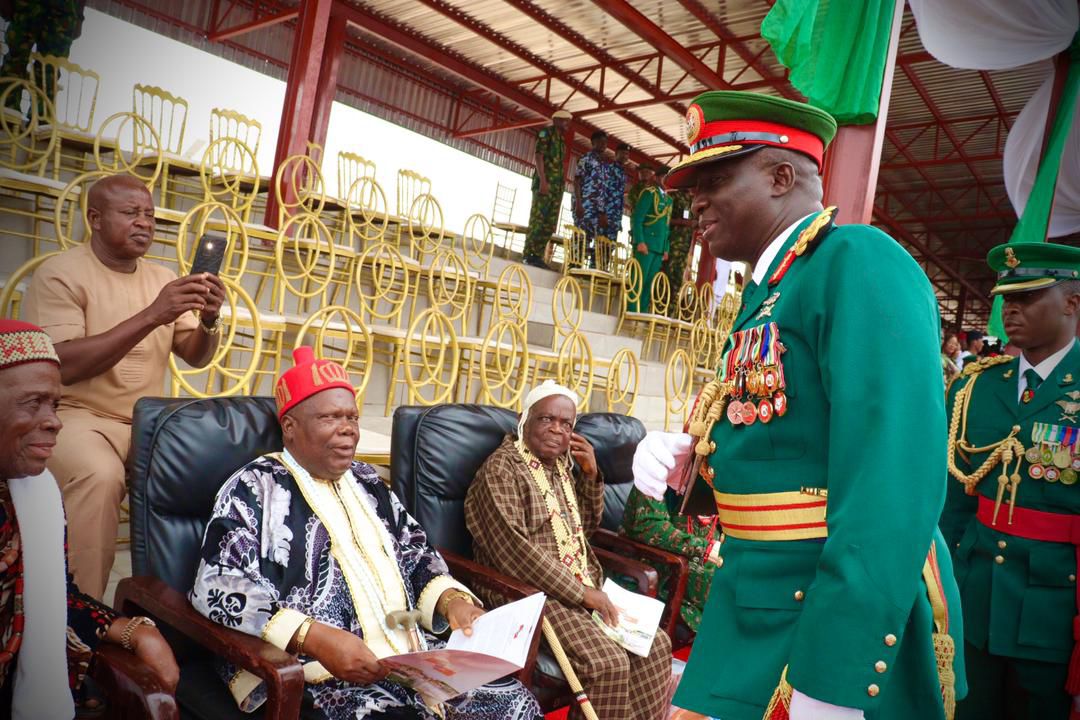
The Army said the project reflects its commitment to enhancing operational capability, supporting national development and improving its capacity to respond effectively to evolving security challenges across the country.
About the Author