 Odita Sunday



Artisans Decry Multiple Levies, Demand End to Third-Party Tax Collection in Ebonyi
Nnenna Mba- Abakaliki
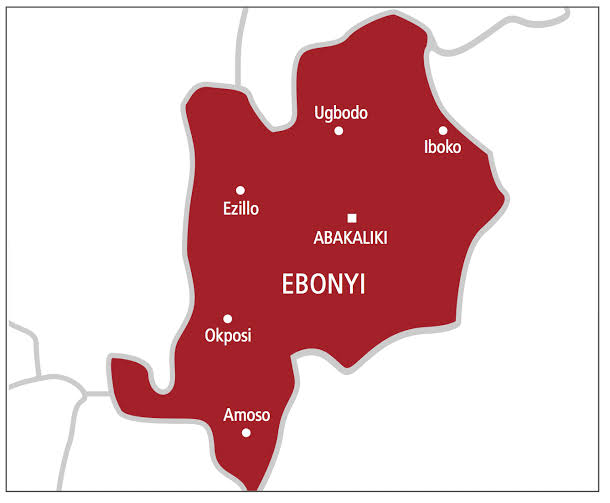
Artisans in Ebonyi State have raised fresh concerns over what they describe as mounting cases of double taxation, excessive levies, and harassment allegedly carried out by revenue contractors, calling for immediate government intervention.
The grievances were voiced on Monday in Abakaliki during a stakeholders’ meeting organised by the Artisans Association of Nigeria, Ebonyi State chapter. Leaders of various trade groups who attended the meeting unanimously condemned what they termed an “exploitative and unsustainable” taxation system.
Speaking to journalists after the meeting, the State President of the association, Engr. Francis John Nwebonyi, said artisans across different sectors were being subjected to unfair practices under the current revenue collection framework. According to him, while artisans are not opposed to taxation, the involvement of third-party agents has introduced widespread abuse.
“The objective of this meeting is to address the growing dissatisfaction among our members over how internally generated revenue is being administered. The use of contractors has resulted in intimidation, over-taxation, and even confiscation of tools in some cases,” he said.
Nwebonyi warned that the trend is undermining government-backed empowerment programmes, noting that many artisans who acquired tools through loans and support schemes are now struggling to stay afloat. He advocated for a system where registered trade associations would take responsibility for tax collection and remit directly to the government to ensure transparency and accountability.
Echoing similar concerns, Chairman of the Ebonyi State Tailors Association, Chinedu Agbe, described the current levy structure as arbitrary and burdensome. He disclosed that while artisans previously paid about ₦14,000 annually, some are now being asked to pay between ₦50,000 and ₦59,000 without clear justification.
“There is no transparency in the process. We are told the charges are based on a chart, yet that chart is not made available to us. This raises serious questions about fairness,” he said.
Chairman of the Welders and General Fitters Association, Soludo Ogodo, blamed the situation on the outsourcing of revenue collection to individuals who lack understanding of the realities of artisan businesses. He alleged that contractors often impose multiple levies within the same year and operate without proper regulation.
Ogodo recounted his personal experience, claiming he was arrested last year over alleged non-compliance despite having fulfilled his tax obligations. “Incidents like this erode trust and discourage voluntary compliance,” he added.
Also speaking, Chairman of the Nigerian Automobile Technicians Association (NATA) in the state, Johnson Azi, highlighted discrepancies between official tax rates and the amounts demanded by contractors. He maintained that artisans are willing to meet their obligations under a more structured and transparent system.
Similarly, Chairman of the Furniture Makers Association, Chukwu Michael, described the development as a major setback for small-scale businesses, warning that persistent excessive levies could force more artisans out of business and ultimately shrink the state’s revenue base.
A vulcaniser leader, Simon Elom, corroborated the claims, noting that many artisans are already relocating to rural areas or abandoning their trades due to the rising financial pressure.
The artisans, in a formal petition to the Ebonyi State Internal Revenue Service, urged authorities to terminate existing revenue collection contracts with third parties and instead empower trade associations to manage collections within their sectors.
When contacted, the Secretary of the state’s IGR Board, Barrister Emmanuel Egba, said a formal response would be provided subsequently, while efforts to reach the board’s chairman, Christopher Omo Isu, were unsuccessful as of press time.
The meeting also featured the inauguration of a committee to coordinate support for Governor Francis Nwifuru’s second-term bid, with artisans commending his administration’s broader support for their sector despite their concerns over revenue collection practices.
About the Author