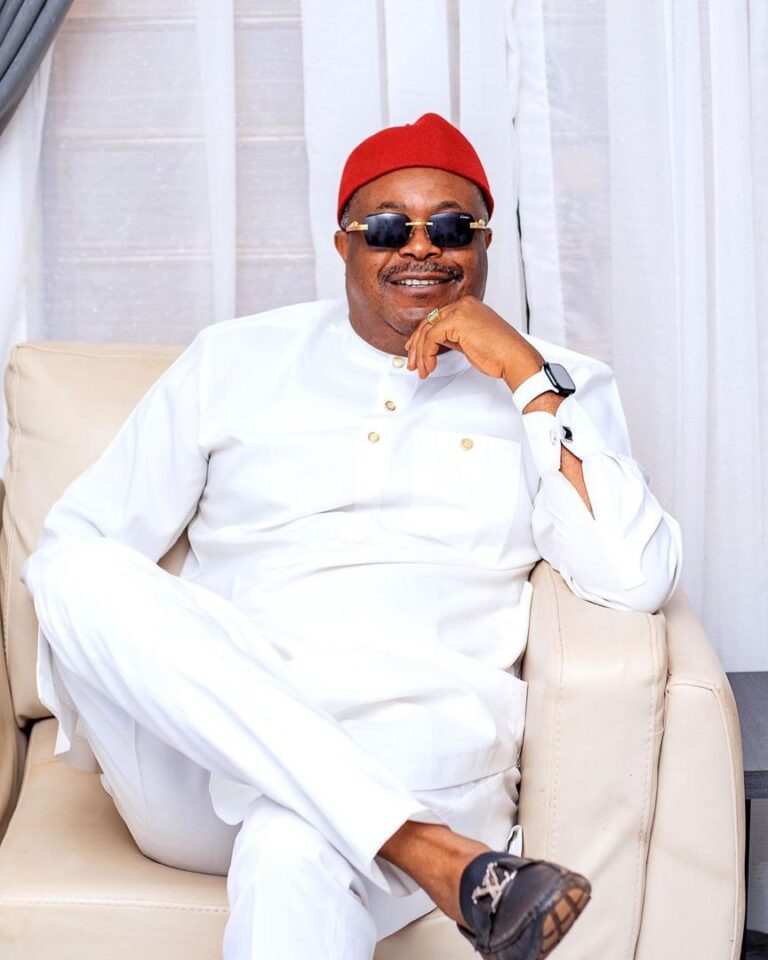
 Odita Sunday



By Lanre Olagunju
Nigeria’s conversation about policing is often shaped by frustration, disappointment and distrust. Hardly a day passes without public criticism of the police over allegations of misconduct, delayed responses, poor investigations, or perceived failures in tackling insecurity.
These concerns are legitimate. Citizens deserve a police force that is professional, accountable, responsive and capable of addressing the country’s growing security threats.
Yet amid the criticism, an important question is frequently overlooked: can Nigeria realistically achieve the police force it desires without creating the conditions necessary for such a force to thrive?
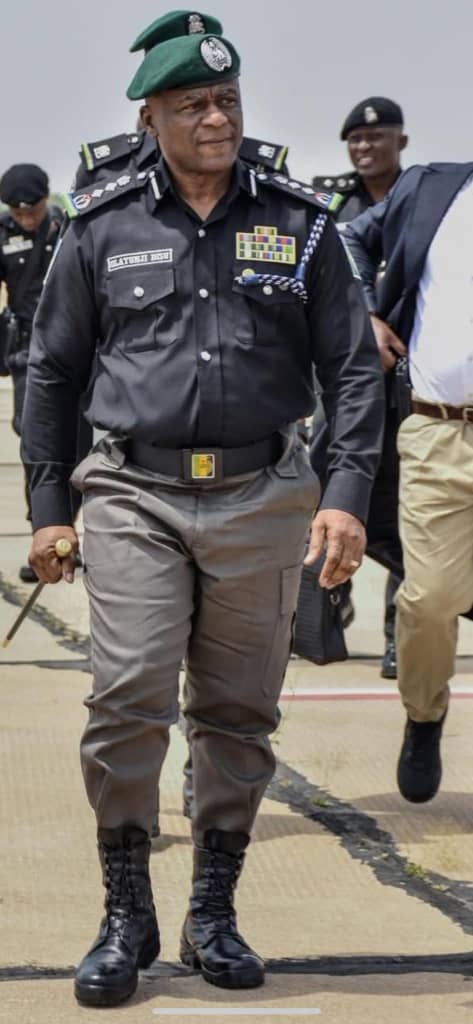
The debate has become even more relevant under the leadership of Inspector-General of Police, Kayode Egbetokun’s successor, Olatunji Disu, whose early months in office have been marked by efforts to strengthen intelligence-led policing, improve operational effectiveness, enhance welfare and enforce accountability within the ranks.
Recent police operations across several states have resulted in the arrest of suspected kidnappers, terrorists, armed robbers and cultists, while victims have been rescued and weapons recovered. The establishment of a specialised Violent Crime Response Unit also signals an attempt to create more focused responses to violent criminal activities.
Equally significant is the administration’s emphasis on balancing discipline with motivation.
Rather than relying solely on punitive measures, the current police leadership has embraced a dual approach that rewards professionalism while sanctioning misconduct. The promotion of more than 17,000 junior officers nationwide is one example of efforts aimed at boosting morale, recognising dedication and improving career progression within the Force.
Such initiatives become more meaningful when viewed against the realities confronting many police officers.
For a nation of more than 200 million people, the Nigeria Police Force continues to grapple with chronic funding constraints, inadequate equipment, ageing infrastructure, limited technological capacity and longstanding welfare challenges. Officers are routinely expected to deliver results comparable to those of police agencies in advanced democracies despite operating under vastly different conditions.
This is where the national conversation becomes uncomfortable.
Many Nigerians, particularly within the political and economic elite, demand a police service that mirrors those of London, New York or Toronto. They expect world-class professionalism, efficiency and service delivery. Yet far fewer are willing to confront a fundamental question: has Nigeria invested in policing at levels that make such expectations realistic?
An even more revealing question follows.
How many members of Nigeria’s elite would encourage their children—graduates of Harvard, Oxford, Cambridge or other prestigious institutions—to pursue careers in the police? How many governors, ministers, legislators or business leaders would proudly regard policing as a first-choice profession for their children?
The answers expose a contradiction at the heart of Nigeria’s policing debate.
Society expects excellence from police officers while often treating policing as an undesirable profession. We demand exceptional service from an institution that is frequently stigmatised, underfunded and denied the social prestige enjoyed by many other professions.
No institution can consistently attract and retain the best talent under such circumstances.
Countries with highly respected police services did not build them through criticism alone. They invested heavily in recruitment, training, technology, welfare, housing, healthcare, intelligence systems and public trust. Professional policing is not merely a product of expectations; it is the result of sustained commitment and investment.
This does not diminish the importance of accountability.
Nigerians have every right to demand professionalism and transparency from those entrusted with public safety. Corruption must be confronted. Human rights violations must never be tolerated. Officers who abuse their powers must face appropriate sanctions.
However, accountability alone does not build strong institutions.
Effective policing depends on resources, modern equipment, continuous training, career development opportunities, robust intelligence systems and community cooperation. Without these foundations, even the most ambitious reforms are unlikely to achieve lasting success.
The reality is that the Nigeria Police Force remains the country’s primary institution for internal security. Whether confronting insurgency, banditry, kidnapping, organised crime or communal violence, Nigeria cannot afford to weaken or alienate the very institution expected to safeguard public order.
What is required is a more balanced national approach.
Citizens must continue demanding accountability and professionalism. Government must provide adequate funding and modern policing tools. Communities must strengthen cooperation with law enforcement agencies. Police leadership, in turn, must remain committed to reforms that deepen public trust and improve service delivery.
Ultimately, the success of Inspector-General Disu’s tenure will not be measured solely by arrests, promotions or policy pronouncements. It will be judged by whether reforms become institutionalised, whether officers become more professional, and whether public confidence in policing steadily improves.
As Nigeria continues to debate the future of its police service, difficult questions must be directed not only at the Force but also at policymakers, opinion leaders and society at large.
For the simple truth is that the police Nigerians desire cannot emerge from a system Nigerians are unwilling to support.
Until that reality is confronted, the gap between public expectations and institutional capacity will remain one of the country’s most enduring security challenges.
About the Author