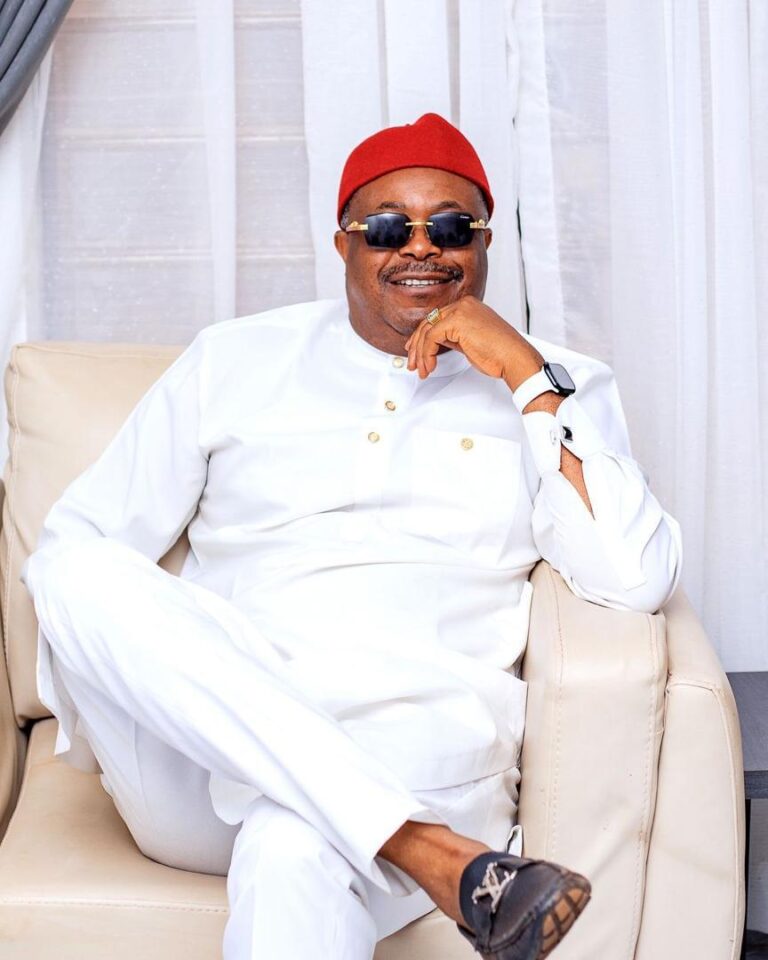
 Odita Sunday


CDS Urges DECAN to Sustain Support for Military’s Counter-Terrorism Efforts
By Odita Sunday
The Chief of Defence Staff (CDS), General Olufemi Oluyede, has called on members of the Defence Correspondents Association of Nigeria (DECAN) to continue supporting the Armed Forces’ counter-terrorism operations through responsible, factual and patriotic reporting.
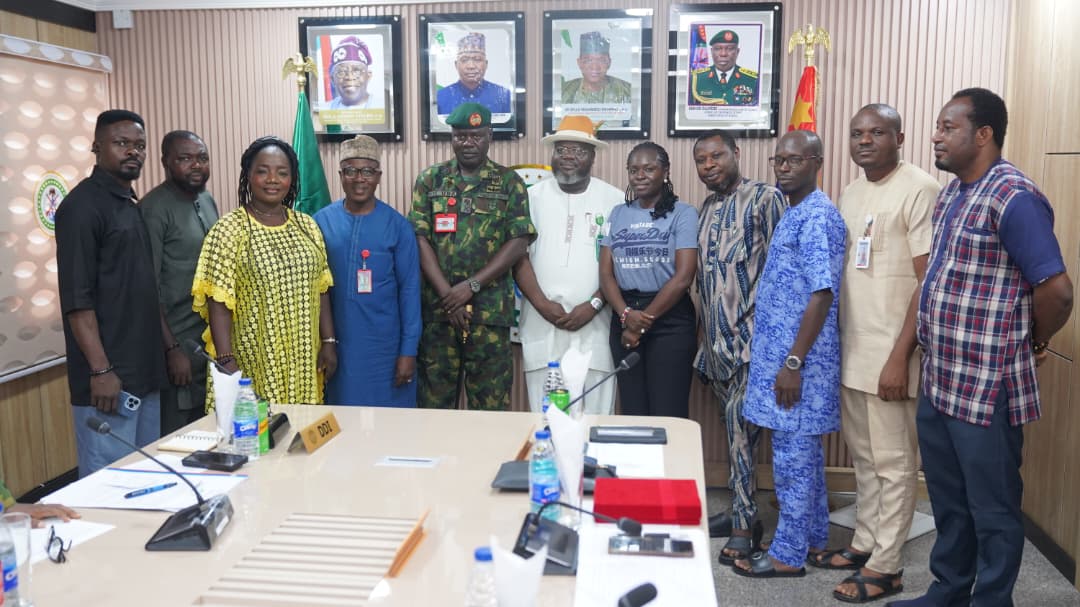
General Oluyede made the appeal on Friday in a message delivered on his behalf by the Director of Defence Information (DDI), Major-General Sumaila Uba, when the leadership of DECAN paid a courtesy visit to the Defence Headquarters (DHQ) in Abuja.
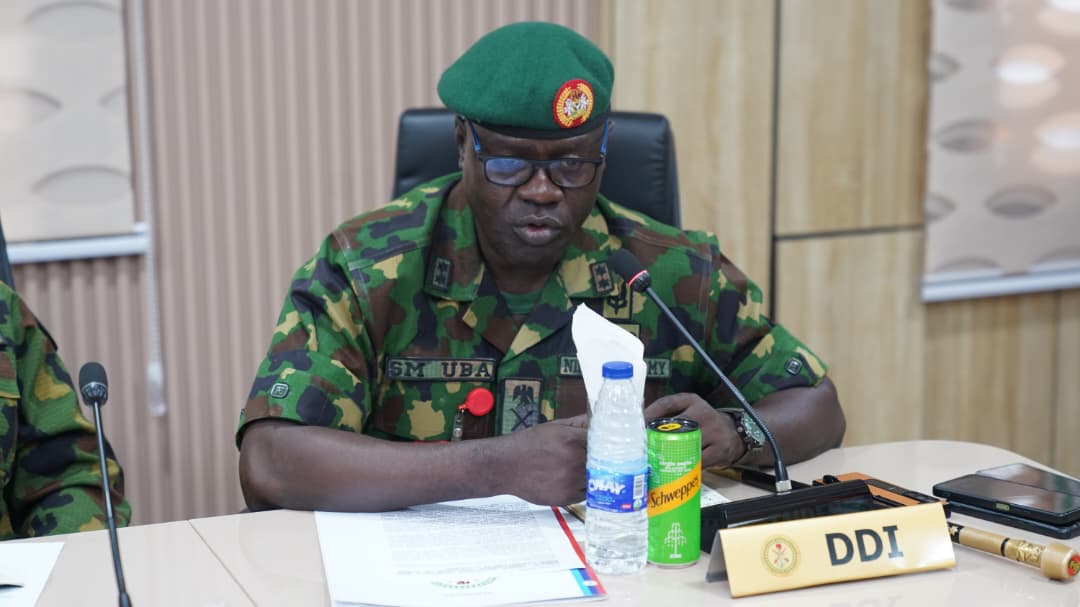
”I am aware of what DECAN is doing in supporting our counter-terrorism efforts. I urge you to continue supporting the efforts of the Armed Forces,” he said.
Speaking in his capacity as Director of Defence Information, Maj.-Gen. Uba commended defence correspondents for their professionalism and commitment to reporting military and defence-related issues. He observed that their reportage has consistently been guided by the national interest and the imperative of safeguarding national security.
He described the media as a strategic partner in promoting national security, strengthening public confidence, and projecting the sacrifices and achievements of troops, noting that defence correspondents occupy a unique position within the Nigerian media landscape.
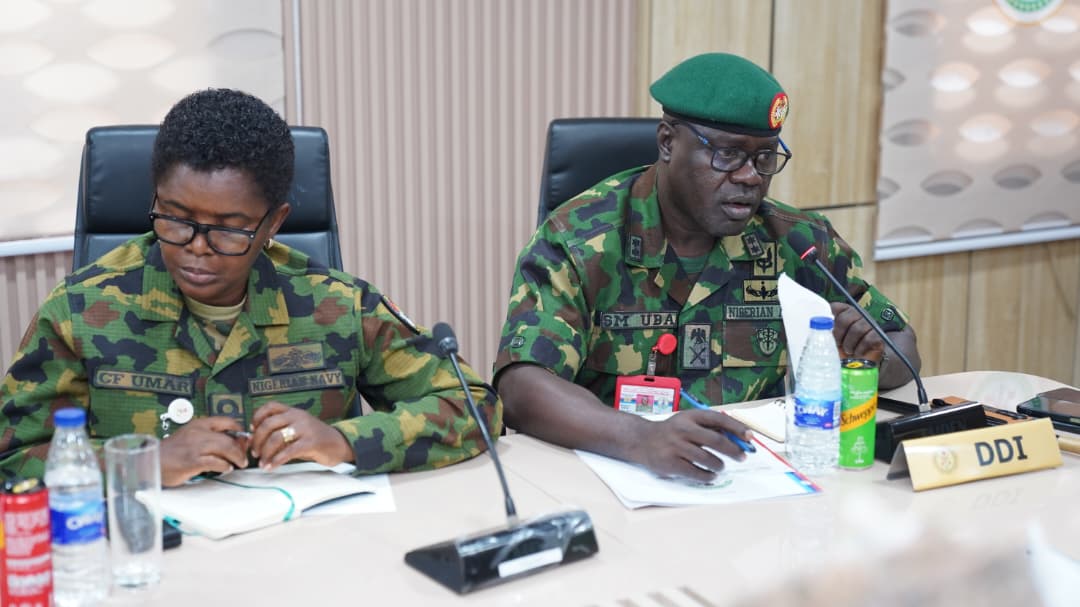
”Your responsibility goes beyond reporting events. You serve as an important bridge between the military and the Nigerian public by providing factual, balanced and responsible information on defence and security matters,” he said.
Maj.-Gen. Uba noted that the growing challenges of misinformation, disinformation, social media manipulation and artificial intelligence have made responsible defence reporting more important than ever. He urged journalists to always verify information through official military channels before publication.
”Responsible journalism strengthens national security by denying adversaries the opportunity to exploit false narratives designed to create fear, erode public confidence or damage the reputation of our Armed Forces,” he added.
The Director of Defence Information also cautioned journalists against publishing classified military documents or sensitive operational information that could aid terrorist groups, stressing that some information must remain confidential until it no longer poses security risks.
”Whenever classified information comes into your possession, please verify it with the appropriate authorities before publication. Ultimately, safeguarding sensitive military information is in Nigeria’s collective interest,” Uba said.
He assured members of DECAN that the Defence Headquarters would continue to strengthen its engagement with the media through regular press briefings, interviews, media tours and capacity-building programmes, while ensuring that operational security is not compromised.
Earlier, DECAN President Odita Sunday described the relationship between the Defence Headquarters and the association as a “strategic partnership” aimed at advancing national security through responsible journalism.
”While our gallant troops defend the nation’s territorial integrity on the battlefield, we complement their efforts by informing, educating and shaping public understanding through accurate, balanced and responsible reportage,” he said.
Odita commended the Directorate of Defence Information for providing defence correspondents with access to operational theatres across the country, saying the opportunity has significantly enhanced the credibility and accuracy of reports on military operations.
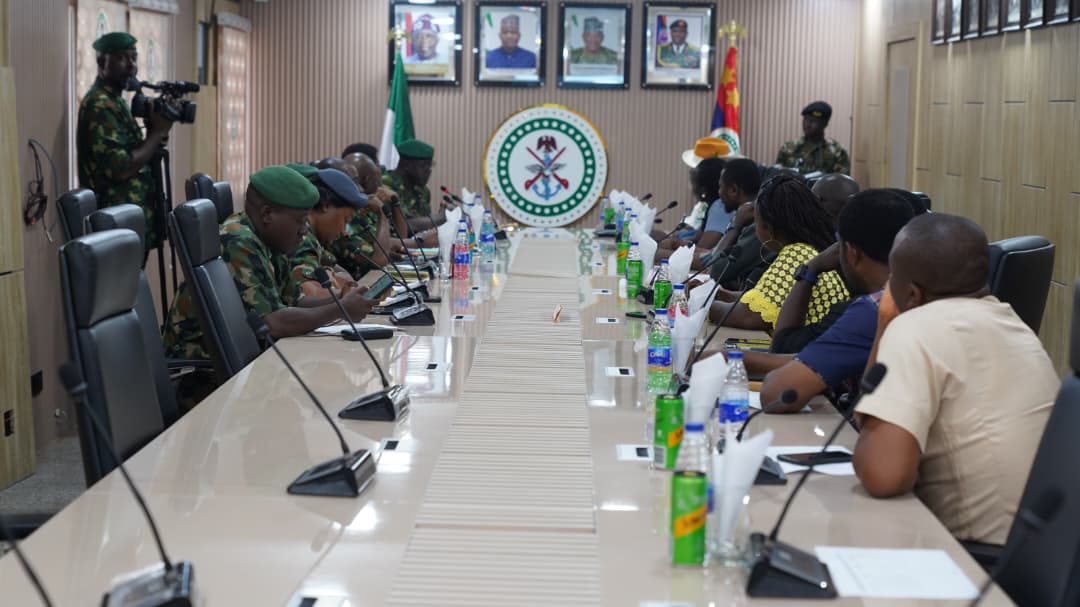
He appealed for more regular operational briefings to enable journalists to verify facts and effectively counter misinformation, disinformation and hostile propaganda.
The DECAN President also disclosed that the association was concluding arrangements to launch its official magazine, The Defence Correspondent, which will document the activities and achievements of the Armed Forces and other defence institutions.
He appealed to the Defence Headquarters to support the initiative and consider establishing a dedicated Defence Correspondents Press Centre within one of its civil-military estates in Abuja.
”Such a centre would provide a functional workspace and serve as a central point through which defence correspondents can easily be reached, briefed and coordinated by military authorities whenever necessary,” he said.
About the Author