 Odita Sunday

Delta in Motion: Inside Oborevwori’s Massive Infrastructure Revolution
By Odita Sunday
Editor-in-Chief
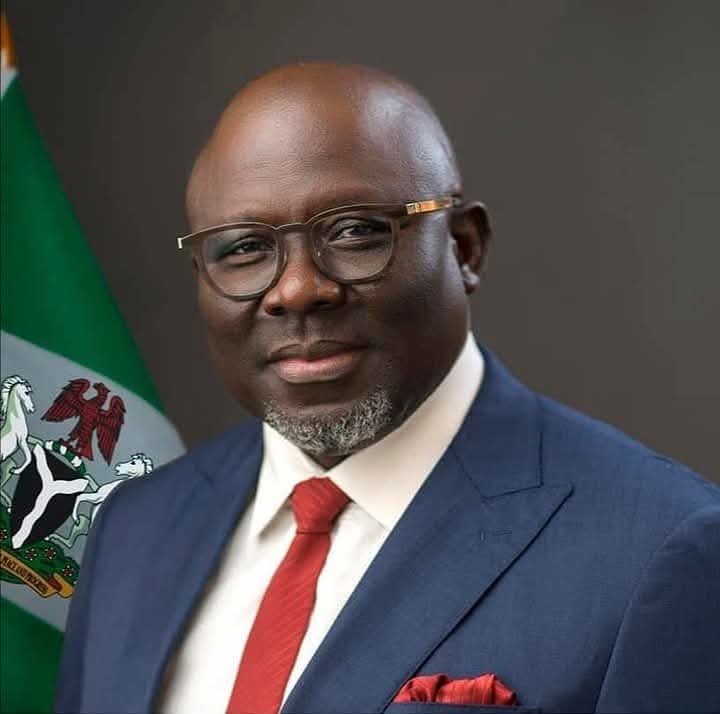
In Nigeria’s complex governance landscape, where promises often outpace performance, few political leaders have managed to create a visible, statewide transformation within a short period. Yet in Delta State, the story appears to be unfolding differently under the watch of Sheriff Oborevwori.
Since assuming office in May 2023, Governor Oborevwori has embarked on what many residents, contractors, and policy observers now describe as an unprecedented infrastructure revolution. Across the length and breadth of the state, the signs are difficult to ignore: roads under construction, bridges rising from swampy terrain, drainage systems cutting through flood-prone communities, and heavy-duty equipment dotting both urban centres and rural enclaves. The phrase “Delta has become a construction site” is no longer rhetorical, it is a lived reality.
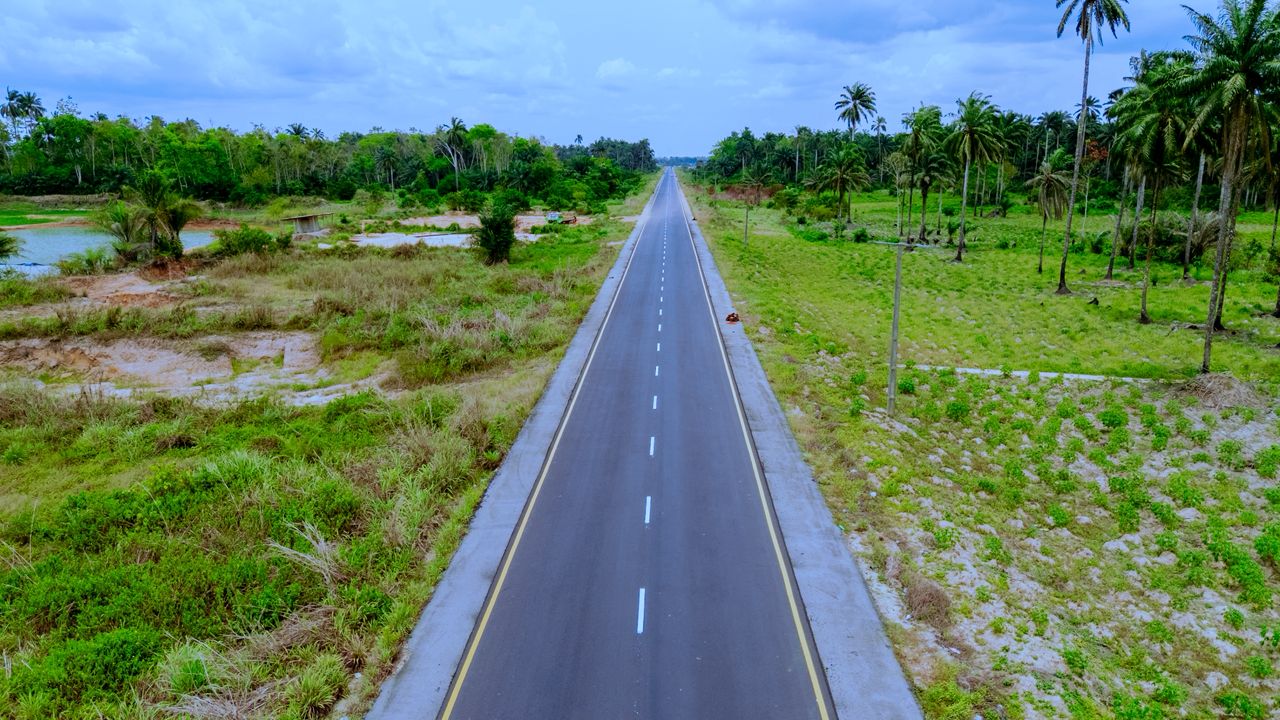
At the heart of Oborevwori’s administration is a governance philosophy anchored on visible impact. Rather than spreading resources thinly across abstract initiatives, the governor has adopted a pragmatic, project-driven approach, prioritising infrastructure as both a development tool and a unifying force. This model aligns with his widely publicised M.O.R.E. Agenda, Meaningful Development, Opportunities for All, Realistic Reforms, and Enhanced Peace and Security. However, beyond policy documents and speeches, it is in the physical transformation of the state that this agenda finds its most compelling expression. From the onset, the administration signaled urgency. Within months, contracts were awarded, dormant projects revived, and new ones initiated across all three senatorial districts; Delta North, Delta Central, and Delta South.
Perhaps the most defining feature of the Oborevwori administration is its aggressive investment in road infrastructure. In a state historically challenged by difficult terrain, ranging from riverine creeks to floodplains, road construction is both technically demanding and economically vital. Today, hundreds of road projects are either ongoing or completed, connecting communities that were once isolated or accessible only by water transport. These roads are not merely about movement; they represent access, to markets, healthcare, education, and economic opportunities. In riverine areas such as Bomadi, Burutu, and parts of Warri South-West, the construction of long-stretch roads with reinforced embankments is gradually rewriting the story of neglect. What were once muddy tracks or seasonal routes are being transformed into durable, all-weather roads.

Urban centres have not been left out. In Asaba, Effurun, Warri, Ughelli, and Agbor, road dualisation, expansion, and rehabilitation projects are easing traffic congestion and improving city mobility. Drainage systems are being integrated into road construction, addressing perennial flooding that has long plagued many communities.
Building infrastructure in Delta State is no ordinary task. The state’s geography presents unique engineering challenges, soft soils, high water tables, and extensive wetlands. Yet, the Oborevwori administration has shown a willingness to confront these challenges head-on. Modern engineering techniques such as soil stabilisation, sand filling, and reinforced concrete piling are being deployed to ensure durability and sustainability. Contractors are not only being mobilised promptly but are also being closely monitored to ensure adherence to standards and timelines. This has significantly reduced the incidence of abandoned or poorly executed projects, a recurring problem in previous administrations. The emphasis on quality control is gradually restoring public confidence in government projects, as residents begin to see roads and bridges that can withstand the test of time.
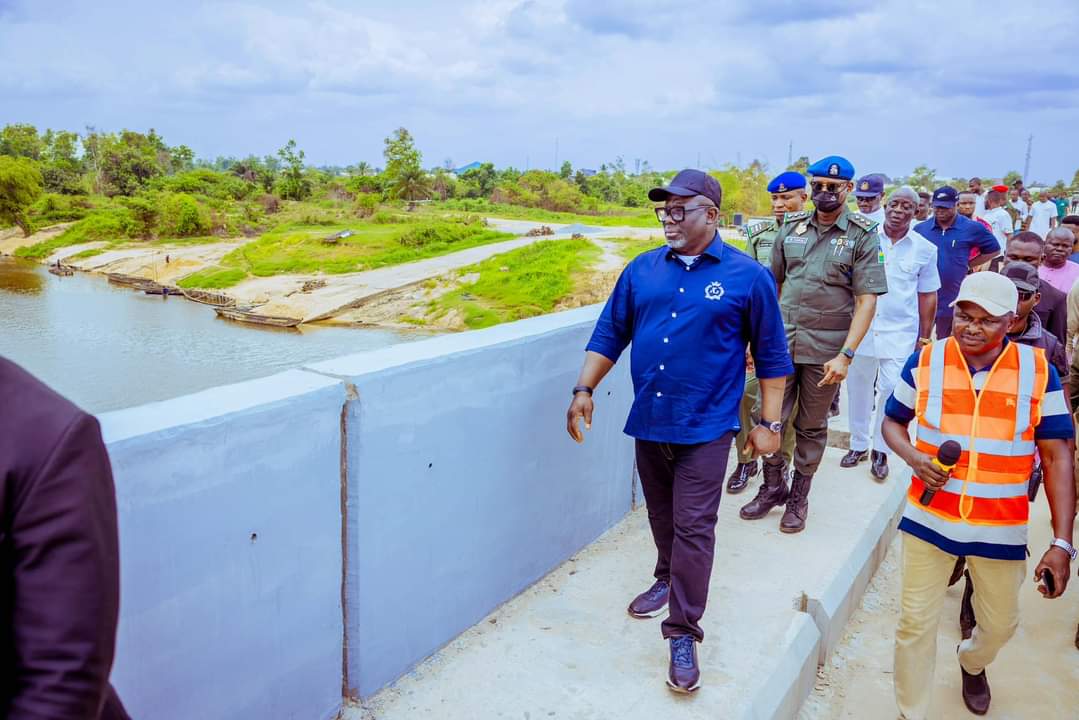
One of the most notable aspects of the current infrastructure drive is its inclusiveness. Unlike past development patterns that often concentrated projects in urban areas, the Oborevwori administration has deliberately extended its reach to rural and underserved communities. In agrarian belts, newly constructed roads are enabling farmers to transport produce to markets with ease, reducing post-harvest losses and increasing incomes. In riverine communities, improved connectivity is breaking long-standing barriers to economic participation. This rural focus is not just a development strategy, it is also a social equaliser. By ensuring that no part of the state is left behind, the administration is fostering a sense of belonging and shared progress among the people.
Infrastructure development is widely recognised as a catalyst for economic growth, and Delta State is beginning to witness its ripple effects. Construction activities have generated employment opportunities for engineers, artisans, labourers, and suppliers. Local economies around project sites are experiencing increased commercial activity, as demand rises for goods and services. More importantly, improved road networks are enhancing trade and investment prospects. Businesses are finding it easier to move goods, investors are showing renewed interest, and communities are becoming more accessible. In a country grappling with economic uncertainties, such subnational initiatives offer a glimpse of how strategic governance can stimulate growth from within.
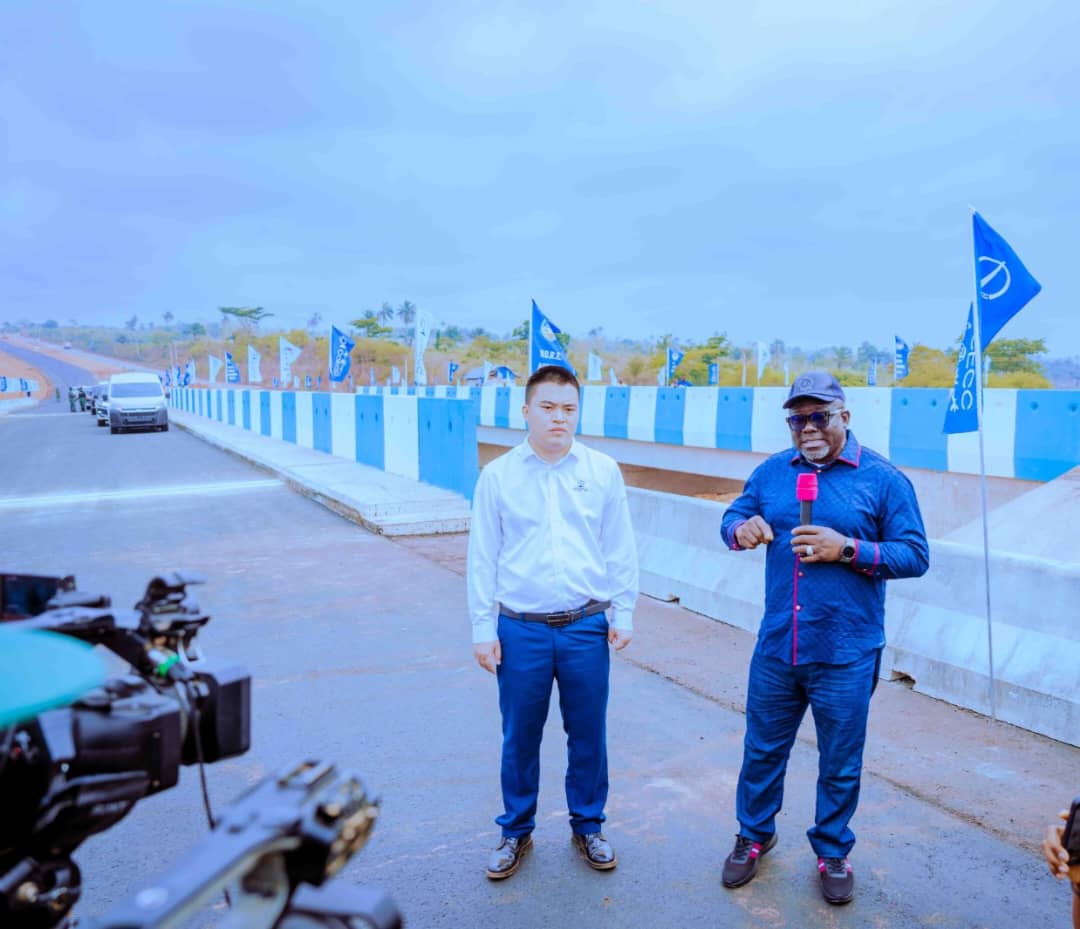
While roads dominate the landscape, the Oborevwori administration’s development efforts extend beyond infrastructure alone. In the education sector, investments are being made in school renovation, classroom construction, and capacity building. Healthcare facilities are receiving attention, with upgrades aimed at improving service delivery and accessibility. There are also efforts to strengthen security architecture, recognising that development cannot thrive in an atmosphere of instability. By supporting security agencies and investing in community-based initiatives, the administration is working to maintain peace across the state. This multi-sectoral approach underscores a broader vision, one that sees infrastructure not as an end in itself, but as part of a holistic development framework.
A recurring theme in discussions about Delta’s transformation is the role of political will. Large-scale infrastructure development requires not only financial resources but also decisive leadership and administrative discipline. Governor Oborevwori appears to have leveraged both. Project approvals are backed by funding commitments, and execution is driven by a sense of urgency. Equally important is the administration’s apparent emphasis on continuity. Rather than discarding projects initiated by previous governments, there is a conscious effort to complete and build upon them. This approach minimises waste and ensures that public investments yield tangible results.
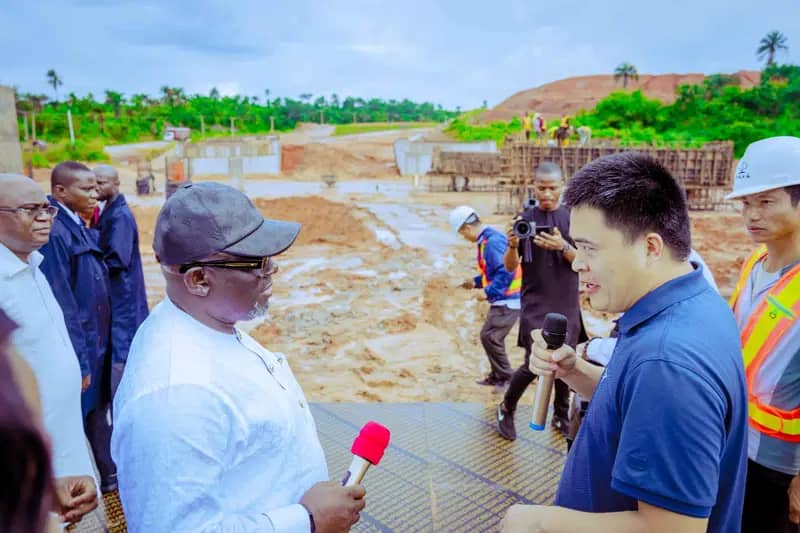
As the construction boom continues, public perception is gradually shifting. For many residents, the visible transformation of their communities serves as a tangible measure of governance. In a political environment where trust in leadership is often fragile, such visibility matters. Roads, bridges, and public facilities are not abstract achievements, they are daily reminders of government presence and performance. This has significant political implications. Infrastructure development is increasingly becoming a key factor in shaping public opinion and electoral dynamics in Delta State. While it remains to be seen how this will play out in future elections, one thing is certain: performance is setting a new benchmark.
Despite the progress, challenges remain. Sustaining the current pace of development will require continued financial discipline, effective project management, and transparency. There are also concerns about maintenance. Building infrastructure is one thing; preserving it is another. Ensuring that roads and public facilities are properly maintained will be critical to long-term success. Environmental considerations must also be taken into account, particularly in a state as ecologically sensitive as Delta. Balancing development with sustainability will be essential.
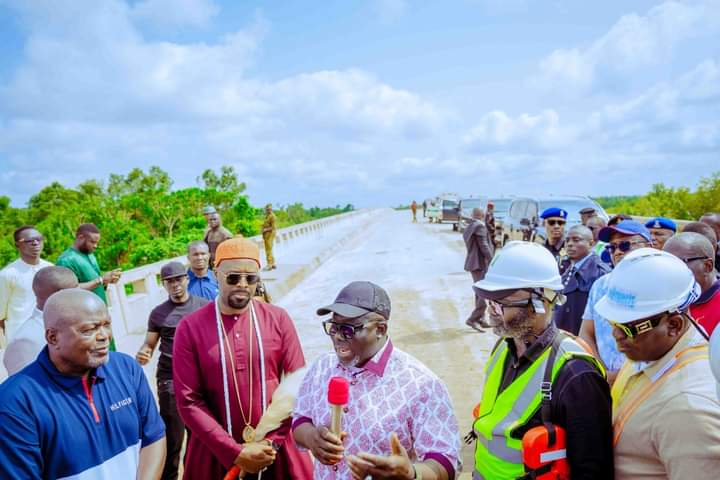
In less than three years, Sheriff Oborevwori has redefined the development narrative of Delta State. Through a combination of vision, execution, and inclusiveness, he has transformed the state into a hub of construction activity. The impact is visible not just in physical structures, but in the renewed optimism among residents. Communities that once felt neglected are now part of a broader story of progress. Whether described as a “magic wand” or simply effective governance, the results speak for themselves. Delta State is no longer standing still. It is building, expanding, and evolving—one project at a time. And for now, the cranes, bulldozers, and asphalt mixers tell a story that words alone cannot fully capture: a state under construction, and a government determined to deliver.
About the Author