 Odita Sunday

Nnenna Mba- Abakaliki
The Ebonyi State Government has restated its commitment to eliminating malaria as it joined the rest of the world to mark World Malaria Day 2026, with a renewed call for collective action.
The Commissioner for Health, Dr. Moses Ekuma, made the pledge during a press briefing at Block 5, Centenary City, Abakaliki.
Represented by the Permanent Secretary, Dr. Lawrence Ezeogo, the commissioner stressed the importance of community participation and sustained efforts in tackling the disease.
He noted that health workers across the state have been trained to deliver quality healthcare services, urging residents to take advantage of free malaria testing and treatment available at general hospitals and primary health centres.
According to him, malaria remains a major public health challenge despite being both preventable and treatable. He encouraged residents to seek prompt medical attention at the nearest health facility rather than resorting to self-medication.
Dr. Ekuma explained that World Malaria Day, observed annually on April 25, is aimed at sustaining global awareness and investment in malaria prevention and control.
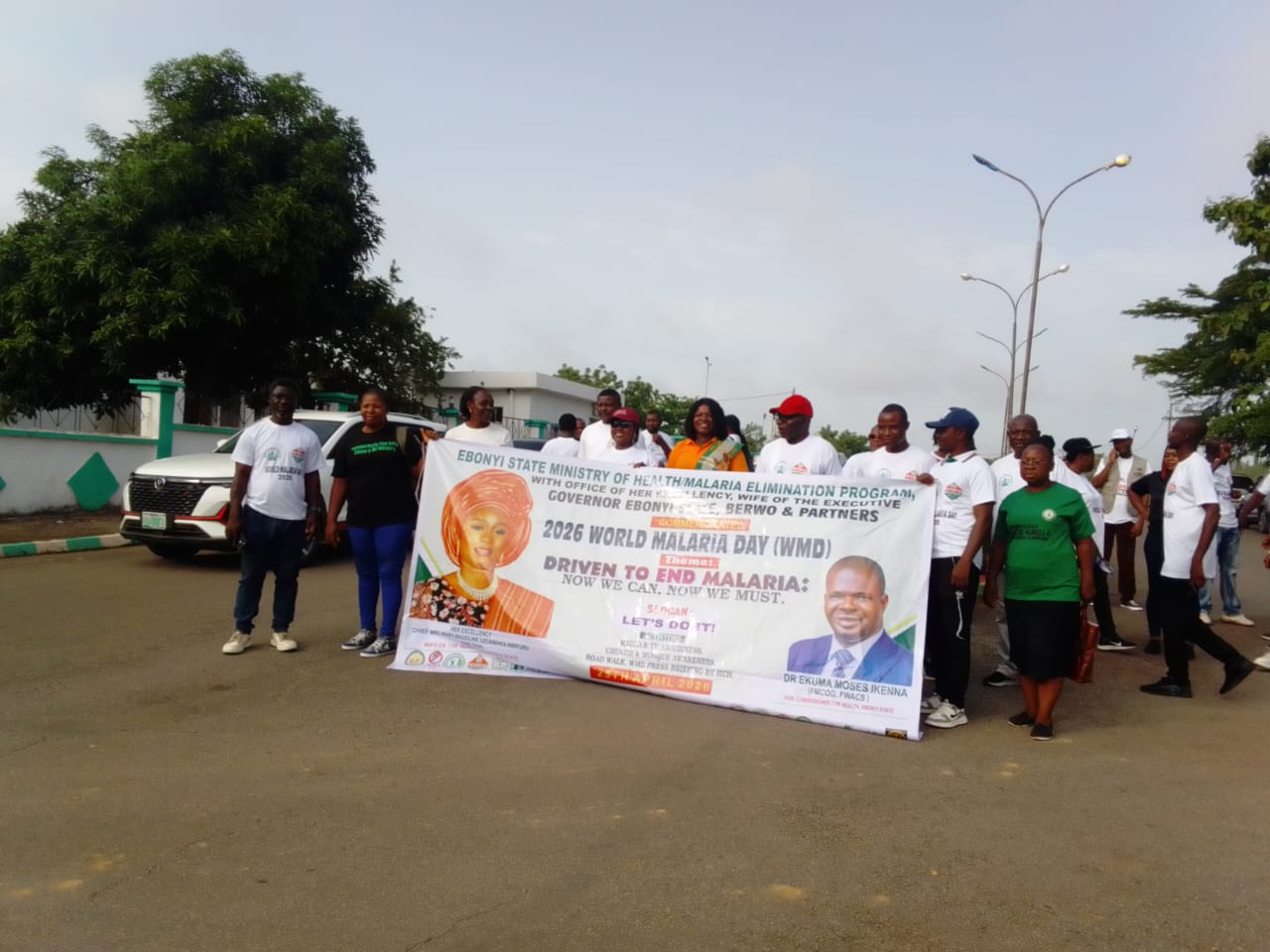
He added that the 2026 theme, “Driven to End Malaria: Now We Can, Now We Must,” underscores the urgency of intensified action.
Quoting statistics from the World Health Organization, he said malaria continues to account for significant morbidity and mortality, especially in sub-Saharan Africa. In Nigeria and Ebonyi State, he noted, the disease contributes to over 60 percent of hospital visits and remains a leading cause of illness among pregnant women and children under five.
Highlighting government interventions, he commended Governor Francis Ogbonna Nwifuru and his wife, Mrs. Mary-Maudline Uzoamaka Nwifuru, for their support in strengthening the health sector. He listed key achievements to include recruitment and training of medical personnel, improved malaria diagnosis and treatment, and the distribution of insecticide-treated nets.
He disclosed that the state, in collaboration with development partners and the U.S. Government, plans to distribute two million insecticide-treated nets during the 2026 replacement campaign. He also noted the distribution of over 71,000 doses of Sulphadoxine-Pyrimethamine for malaria prevention among pregnant women, as well as the provision of free anti-malaria drugs in health facilities.
The commissioner, however, identified funding gaps from partners as a major challenge, revealing a slight increase in confirmed malaria cases from 51.8 percent in 2025 to 54.03 percent in the first quarter of 2026. He added that treatment rates have improved to 99.9 percent, with a significant reduction in malaria-related deaths among children under five.
He commended development partners, including the World Health Organization and U.S.-funded health projects, as well as private sector actors, for their continued support in malaria control efforts.
Earlier, the State Malaria Elimination Programme Manager, Mr. John Nkwuda, reminded residents that malaria is caused by parasites transmitted through infected mosquito bites. He advised the public to maintain clean environments, sleep under insecticide-treated nets, avoid indiscriminate drug use, and always seek proper medical care when experiencing symptoms such as fever.
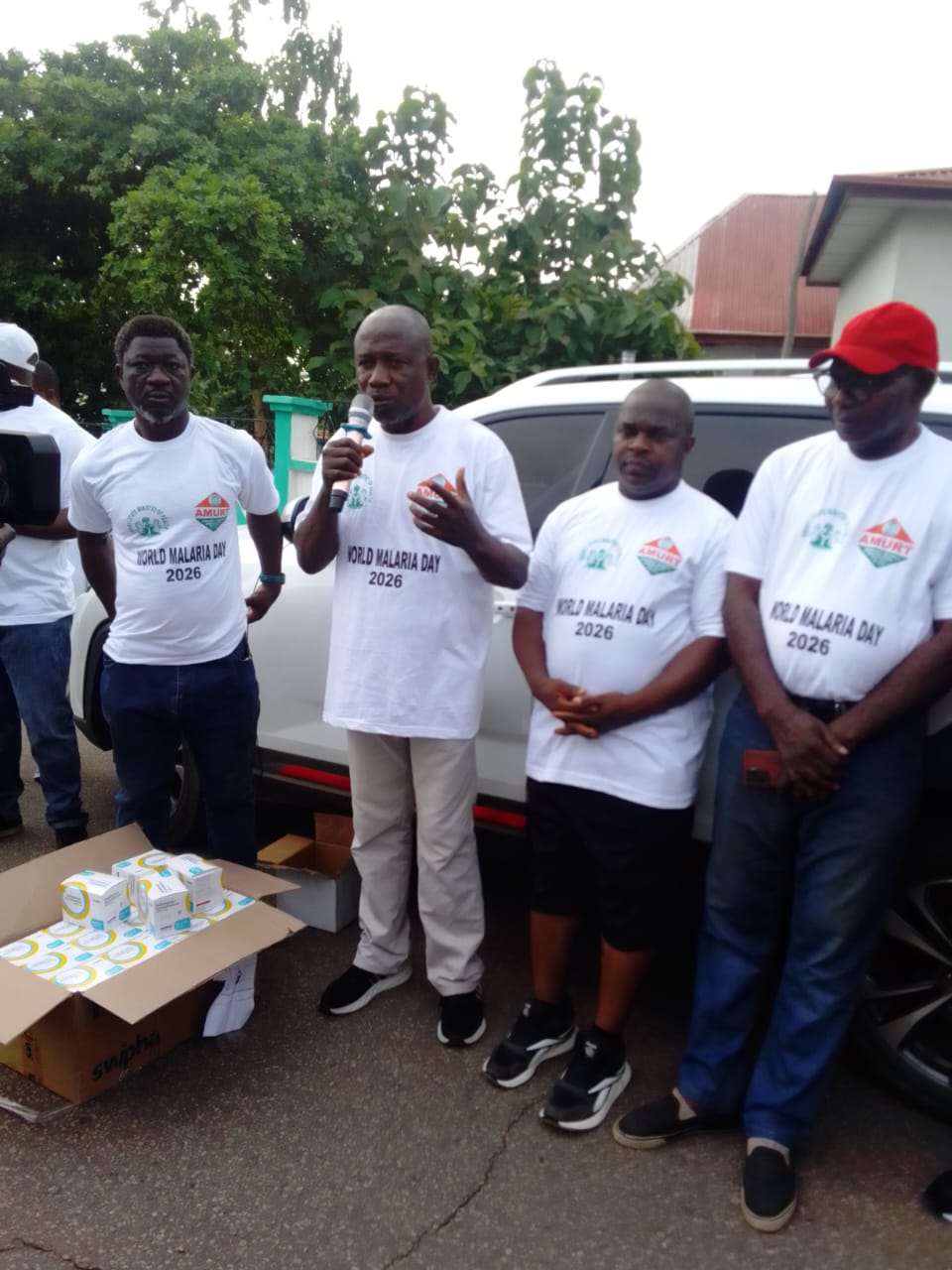
The event featured a road walk to raise awareness, as well as the donation of Sulphadoxine-Pyrimethamine drugs for malaria prevention in pregnancy by Swipha and Nemel Company to the State Malaria Elimination Programme
About the Author