 Odita Sunday



IGP Disu, NAPTIP DG Deepen Strategic Alliance Against Human Trafficking, Organised Crime
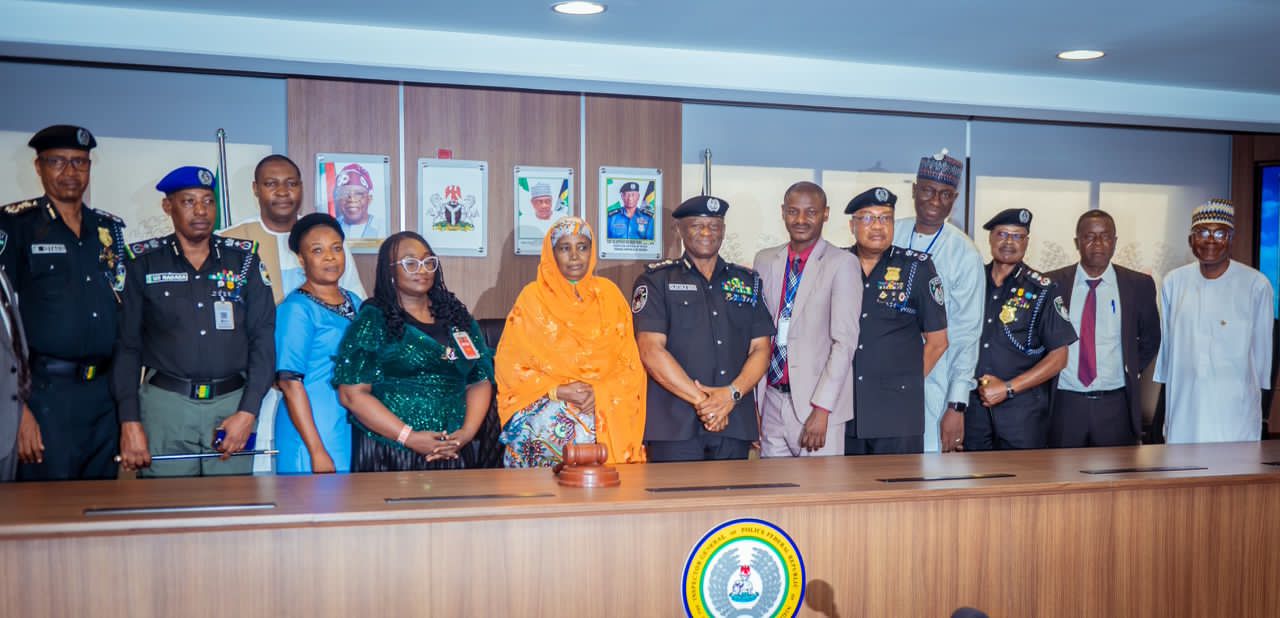
The Inspector-General of Police, Olatunji Rilwan Disu, has reaffirmed the commitment of the Nigeria Police Force to intensifying collaboration with the National Agency for the Prohibition of Trafficking in Persons (NAPTIP) in a renewed push to dismantle human trafficking syndicates and organised crime networks across the country.
The IGP gave the assurance on April 21, 2026, when he received the Director-General of NAPTIP, Binta Adamu Bello, OON, during a high-level courtesy visit to the Force Headquarters in Abuja.
The meeting, which brought together senior officials from both institutions, underscored the growing urgency to strengthen inter-agency coordination in tackling transnational and domestic trafficking rings, as well as other forms of organised criminality.
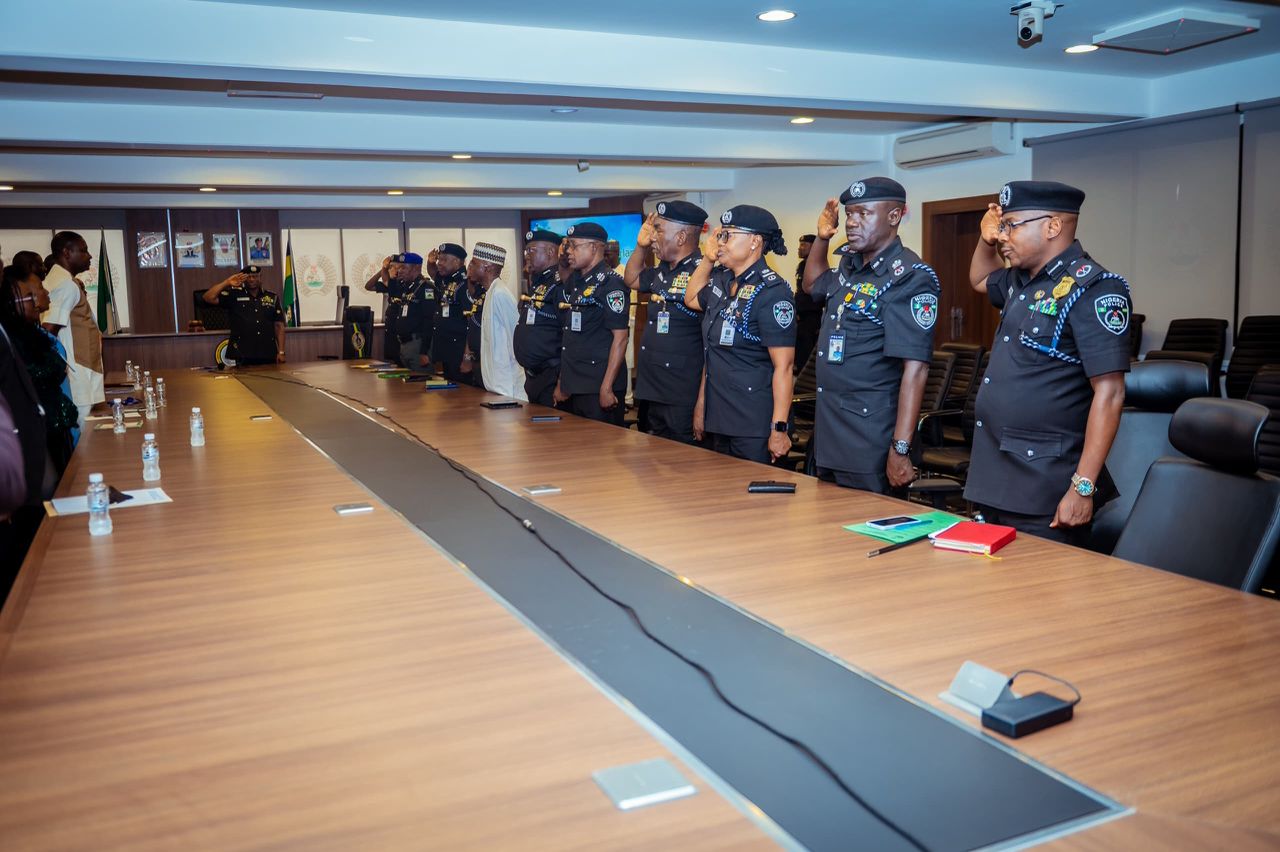
The NAPTIP delegation included Hassan Tahir, Special Adviser to the DG; Hakeem Lawal, Director, ICT; Mohammed Tamim, Director, Finance and Administration; Aondona Ortese, Director, Investigation; Emuesiriere Rebecca, Director, Violence Against Persons and Human Development; and Nneka A. Ajie, Director, Legal and Prosecution.
Speaking during the engagement, Bello commended the leadership of the IGP and acknowledged the longstanding operational support the Police Force has extended to NAPTIP in its enforcement and rescue operations.
She stressed the need to elevate the existing partnership into a more structured and technology-driven collaboration, noting that “the evolving dynamics of human trafficking, especially with the increasing use of digital platforms, require deeper technical synergy and intelligence integration between our agencies.”
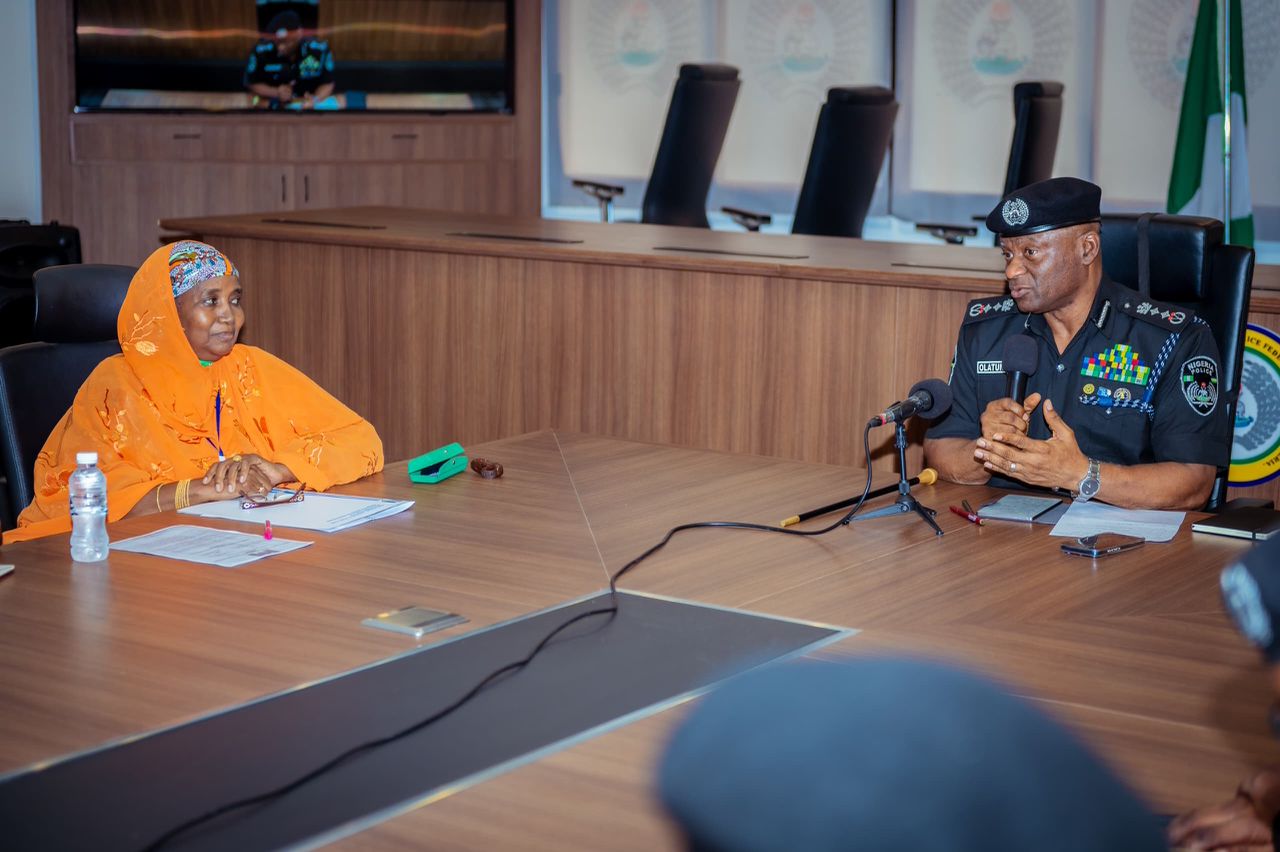
According to her, “NAPTIP is increasingly confronted with complex cases that cut across jurisdictions and involve sophisticated criminal networks. We require enhanced technical assistance, joint operational frameworks, and sustained intelligence support to effectively discharge our mandate.”
Responding, IGP Disu assured the agency of the Police Force’s unwavering support, emphasizing that the fight against human trafficking remains a critical component of national security and human rights protection.
He stated that “the Nigeria Police Force will continue to deploy its full operational and intelligence assets to support NAPTIP. We are committed to strengthening joint operations, improving coordination, and ensuring that traffickers and their networks are identified, tracked, and dismantled.”
The IGP further highlighted a strategic shift toward intelligence-led policing, stressing that “modern policing requires proactive intelligence gathering, real-time information sharing, and coordinated enforcement actions. This is the direction we are taking in our collaboration with NAPTIP.”
He disclosed that the Force would provide technical backing through specialised units, including the Intelligence Response Team and the NPF National Cybercrime Centre, to enhance investigations and disrupt digital trafficking networks.
“In addition, we will support targeted capacity-building initiatives,” the IGP said, noting that “NAPTIP personnel will benefit from specialised training programmes within Police institutions to strengthen investigative capacity, digital forensics, and prosecution support.”
He also revealed plans to institutionalise liaison frameworks and regular strategic engagements to ensure sustained collaboration and measurable outcomes.
“As part of this renewed partnership, we will establish regular strategic briefings to review progress, identify emerging threats, and refine our joint response strategies,” Disu added.
The IGP stressed that the collaboration sends a strong signal of zero tolerance for human trafficking and related crimes in Nigeria.
“Our message is clear: there will be no safe haven for traffickers and organised criminal elements. Through strengthened inter-agency cooperation, we will continue to protect vulnerable populations and uphold justice,” he said.
The meeting marks a significant step toward consolidating national efforts to combat human trafficking, reinforce institutional capacity, and enhance Nigeria’s response to organised crime.
About the Author