
 Odita Sunday



IGP Storms Oyo Over Deadly Oriire Attack, Orders Massive Rescue Operations

By Odita Sunday
The Inspector-General of Police, Olatunji Rilwan Disu, on Friday moved to Oyo State in the wake of the deadly attack and abduction in Oriire Local Government Area, vowing that security forces would leave no stone unturned in rescuing victims and hunting down the perpetrators.
The visit followed the tragic assault carried out in the early hours of May 15, which reportedly claimed lives and left several residents abducted, throwing communities in the Oriire axis into fear and uncertainty.
During the high-level security visit, the police boss expressed deep concern over the incident and conveyed condolences to families of those killed in the attack, describing the development as “cruel and unacceptable.”
Disu, who was accompanied by the Commissioner of Police, Kwara State Command, Ojo Adekimi, and the Commissioner of Police, Schools Protection Squad, Abayomi Shogunle, held strategic meetings with security stakeholders and operational commanders in the state.

The delegation also met with the Oyo State Commissioner of Police, Abimbola Ayodeji Olugbenga, where detailed briefings were presented on rescue operations, tactical deployments, and intelligence-driven efforts currently underway across the affected communities.
The police chief assured residents, parents, and guardians that the Nigeria Police Force, in collaboration with other security agencies, had intensified coordinated search-and-rescue missions aimed at securing the safe return of all abducted victims.
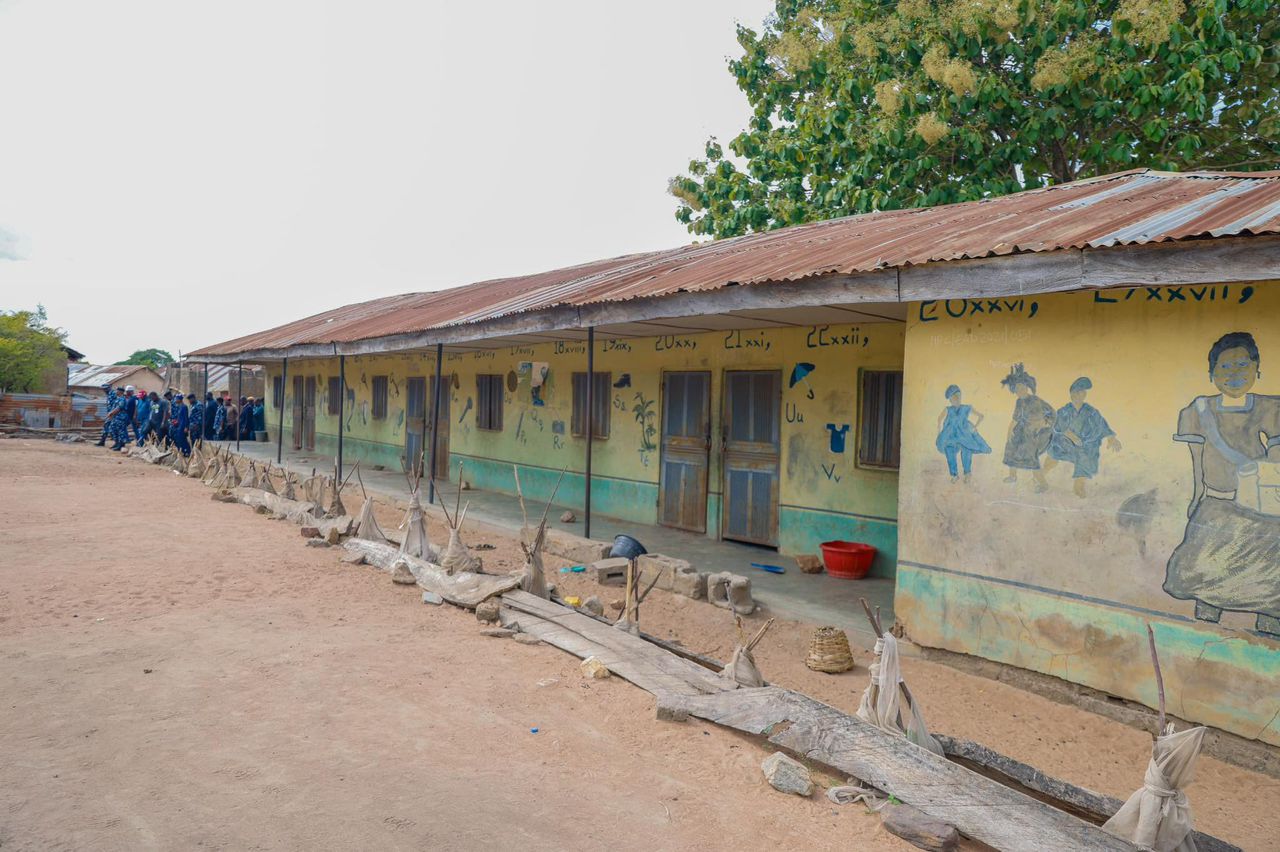
He further ordered the immediate deployment of additional tactical and intelligence assets to reinforce ongoing operations in the area and adjoining forests, particularly due to the strategic border communities linking Oyo and Kwara states.
Disu reiterated the commitment of the Nigeria Police Force to safeguarding schools, communities, and citizens nationwide, stressing that those behind the attack would be tracked down and brought to justice.
The latest incident has again heightened concerns over insecurity in parts of the South-West, especially in remote border communities increasingly targeted by armed criminal groups.
About the Author