 Odita Sunday



Maritime Editors Raise Alarm Over Crude Oil Theft, Call for Urgent Government Action
By Odita Sunday
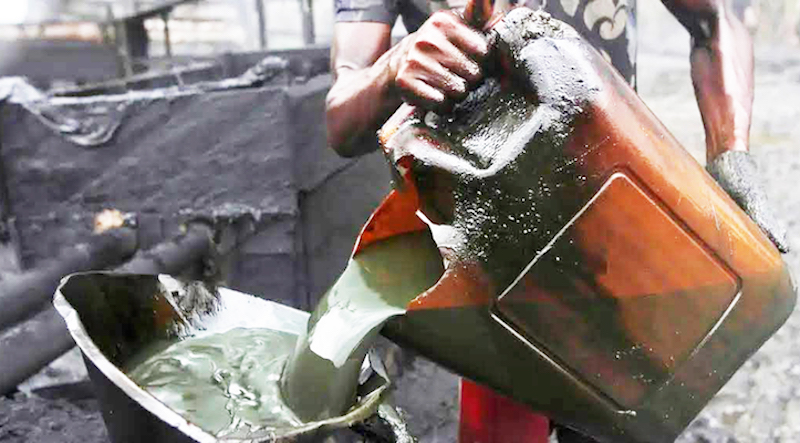
The League of Maritime Editors (LOME) has expressed deep concern over the persistent menace of crude oil theft in the Niger Delta, describing it as a major threat to Nigeria’s economy and national development.
In a statement signed by its President, Mrs. Remi Itie, the League called on the Federal Government to take decisive measures to address what it described as a highly organized criminal enterprise allegedly involving influential individuals.
The position of the League follows recent comments by the traditional ruler of Upata Kingdom in Ahoada East Local Government Area of Rivers State, His Royal Majesty Felix Otuwarikpo, who alleged that members of Nigeria’s elite class play significant roles in sponsoring crude oil theft and pipeline vandalism in the Niger Delta region.
Speaking during the opening of the 2026 Press Week of the Correspondents’ Chapel of the Nigeria Union of Journalists (NUJ), Rivers State Council, the monarch urged journalists to intensify investigations into activities surrounding crude oil theft and expose those responsible for sponsoring the crime.
According to the traditional ruler, focusing solely on poverty and illiteracy as the causes of pipeline vandalism fails to address the deeper issues driving the illegal trade.
LOME noted that the monarch’s comments were reinforced by recent remarks made on the floor of the Senate by Senator Adams Oshiomhole, a former Governor of Edo State, who reportedly alleged that some retired senior military officers were involved in crude oil theft activities in the Niger Delta.
The League observed that allegations coming from respected national figures underscore the need for a thorough investigation into the networks behind the illicit trade.
According to the statement, crude oil theft and the vandalism of oil and gas infrastructure continue to undermine Nigeria’s economic growth, reduce government revenue and contribute significantly to environmental degradation across oil-producing communities.
The League lamented that despite decades of efforts to combat the problem, Nigeria has continued to struggle to attain its crude oil production targets and meet production quotas allocated by the Organisation of Petroleum Exporting Countries (OPEC).
It noted that while Nigeria once maintained production levels above two million barrels per day, output has in recent years remained considerably below that level, with crude oil theft, pipeline vandalism and infrastructure challenges frequently cited as major constraints.
The editors expressed concern that despite enhanced security measures around critical oil infrastructure, the country continues to face difficulties in significantly increasing production.
LOME also questioned why the challenge of crude oil theft has remained unresolved despite substantial investments in security and surveillance operations.
The League further highlighted concerns over reported international incidents involving vessels allegedly linked to suspicious crude oil movements and stressed the need for greater transparency and public accountability from relevant government agencies.
According to the statement, agencies responsible for maritime security, oil production and regulation should provide regular updates on investigations and actions taken to curb crude oil theft.
”It is difficult to believe that a crime of this magnitude can be sustained solely by impoverished individuals. Crude oil theft has evolved into a sophisticated and lucrative criminal enterprise requiring substantial funding, coordination and influence,” the statement said.
LOME described the economic consequences of crude oil theft as devastating, noting that persistent production shortfalls continue to affect government revenue generation and broader economic planning.
The League consequently urged President Bola Ahmed Tinubu to strengthen the role of statutory security institutions, particularly the Nigerian Navy, in safeguarding the nation’s territorial waters, oil facilities and critical maritime infrastructure.
According to the editors, the Navy should work closely with other security agencies, including the Nigeria Security and Civil Defence Corps (NSCDC), the Department of State Services (DSS), the Nigerian Air Force and other relevant bodies to tackle crude oil theft more effectively.
The League argued that while private security arrangements may provide temporary support, the long-term protection of critical national assets should remain the responsibility of constitutionally empowered state institutions.
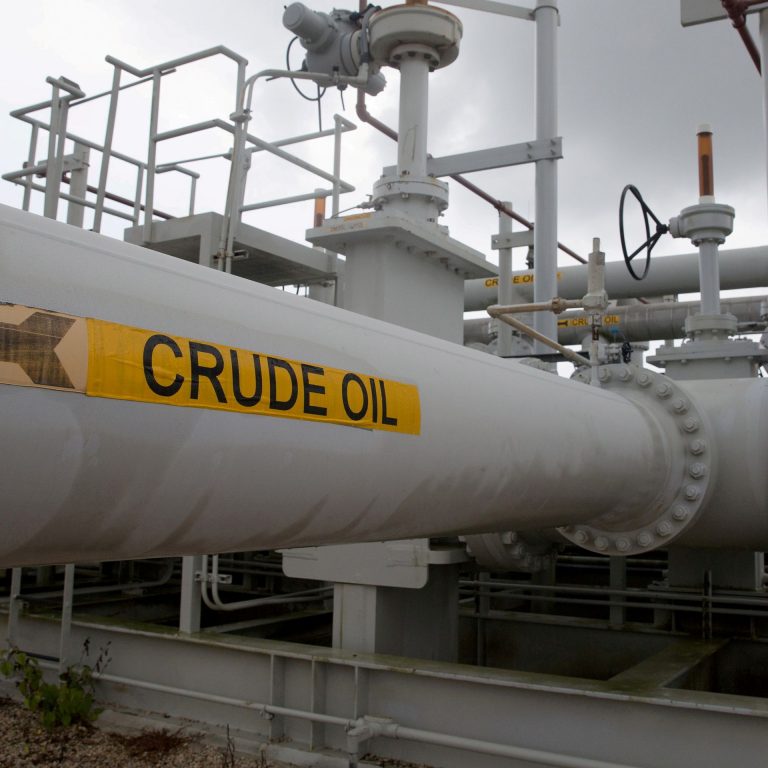
LOME also called for increased accountability within agencies charged with combating maritime crimes and crude oil smuggling.
The group further recommended the establishment of a special commission or dedicated court empowered by legislation to prosecute individuals involved in crude oil theft and other major economic crimes.
According to the League, creating a specialized legal framework would strengthen enforcement efforts and serve as a deterrent against economic sabotage.
The editors maintained that unless decisive action is taken against those financing and coordinating crude oil theft, Nigeria risks continuing to lose enormous revenues to criminal networks operating within the oil sector.
About the Author