 Odita Sunday

New Lagos Police Band Excites IGP Egbetokun, Describes It As Milestone In Institutional Development

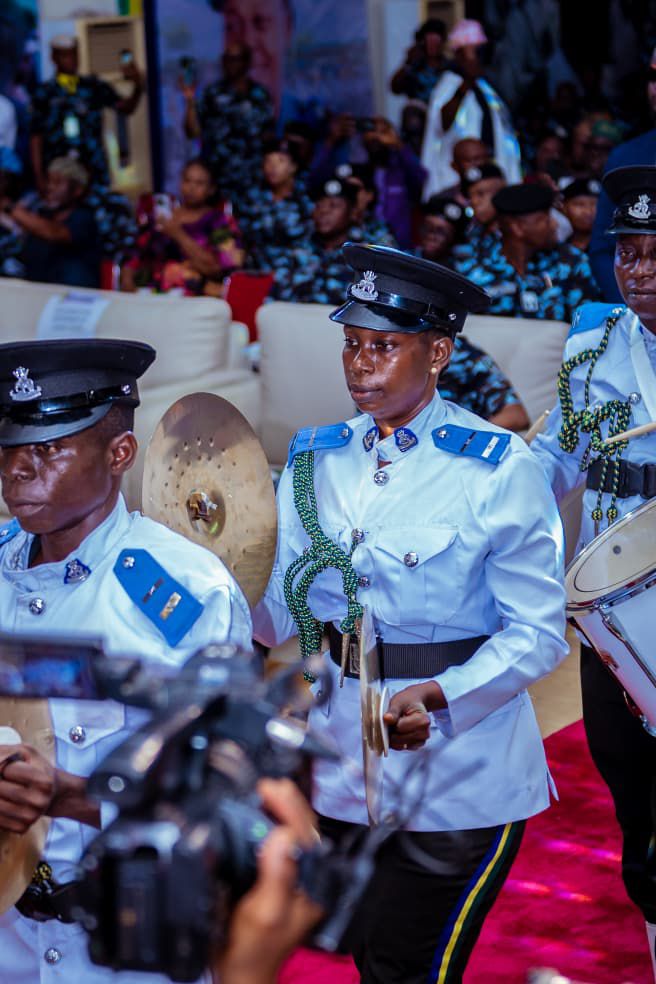
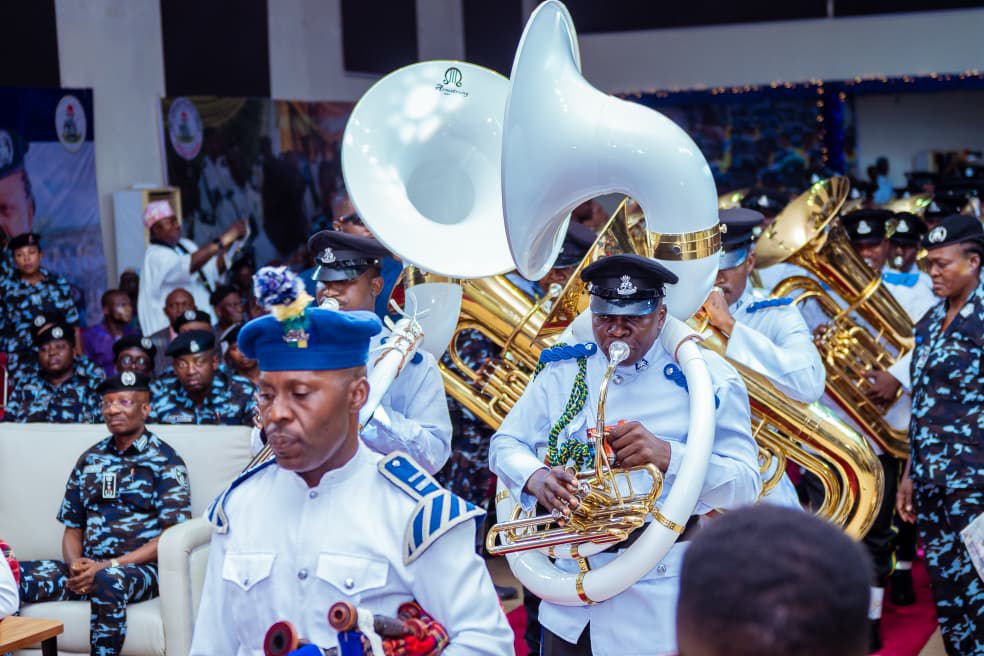
The Inspector-General of Police (IGP), Kayode Egbetokun, PhD, NPM, has formally commissioned the Lagos State Police Command Band, describing the initiative as a landmark achievement in the institutional growth and professional development of the Nigeria Police Force.
Speaking at the commissioning ceremony, the IGP said the establishment of the band represents a significant structural milestone for the Lagos State Command, noting that for the first time since its creation, the Command now has a purpose-built band to serve its ceremonial, official, and representational functions.
According to him, institutional progress is not always defined by dramatic reforms but by strategic decisions that strengthen identity, reinforce structure, and close long-standing gaps. He described the absence of a Command band in Lagos Nigeria’s most strategic and high-profile policing environment as a long-standing structural omission that has now been decisively corrected.
“The Lagos State Command has, for many years, relied on the Force Headquarters Band, an arrangement that was functional but not ideal. Today, that gap has been properly addressed,” the IGP said.
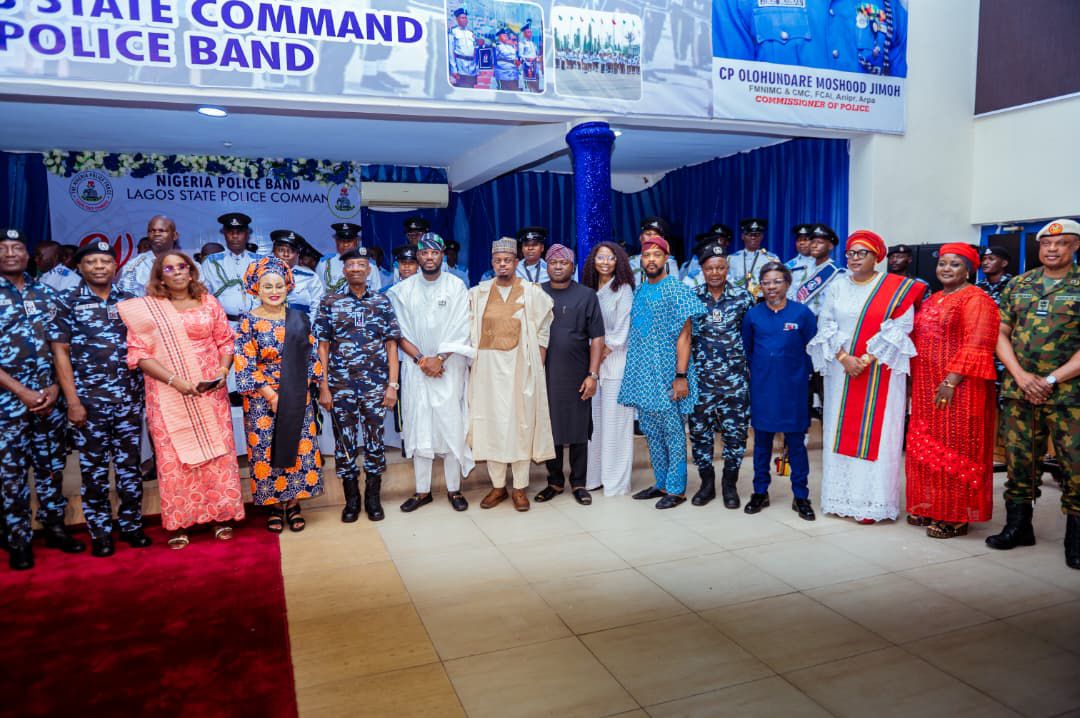
Egbetokun highlighted the historic role of the Nigeria Police Band in projecting the image of the Force through professionalism, discipline, and excellence, stating that its performances have consistently strengthened public confidence, enhanced ceremonial dignity, and promoted a positive national image of the Police.
Beyond music, he described the Police Band as a symbol of discipline, cohesion, and institutional culture, noting that its reputation has become so strong that newly graduated Police Academy cadets now deliberately seek conversion into the band unit due to its standards and professionalism.
The IGP stressed that the commissioning of the Lagos State Police Command Band should not be seen as an isolated project, but as part of a broader strategy of Command development, where professionalism is reinforced not only through operations but through strong institutional structures that promote pride, discipline, and cohesion.
He commended the Commissioner of Police, Lagos State Command, and the Command leadership for their vision, administrative commitment, and follow-through, describing the achievement as a product of deliberate leadership, coordination, and strategic planning.
He also referenced other recent institutional projects within the Command, including the foundation-laying ceremony of the Command’s Multi-Purpose Hall, describing both developments as evidence of leadership focused on building enduring institutional assets rather than temporary interventions.
Egbetokun urged Commissioners of Police across the country to adopt a similar mindset by identifying structural gaps within their Commands and implementing sustainable solutions that strengthen professionalism and institutional credibility.
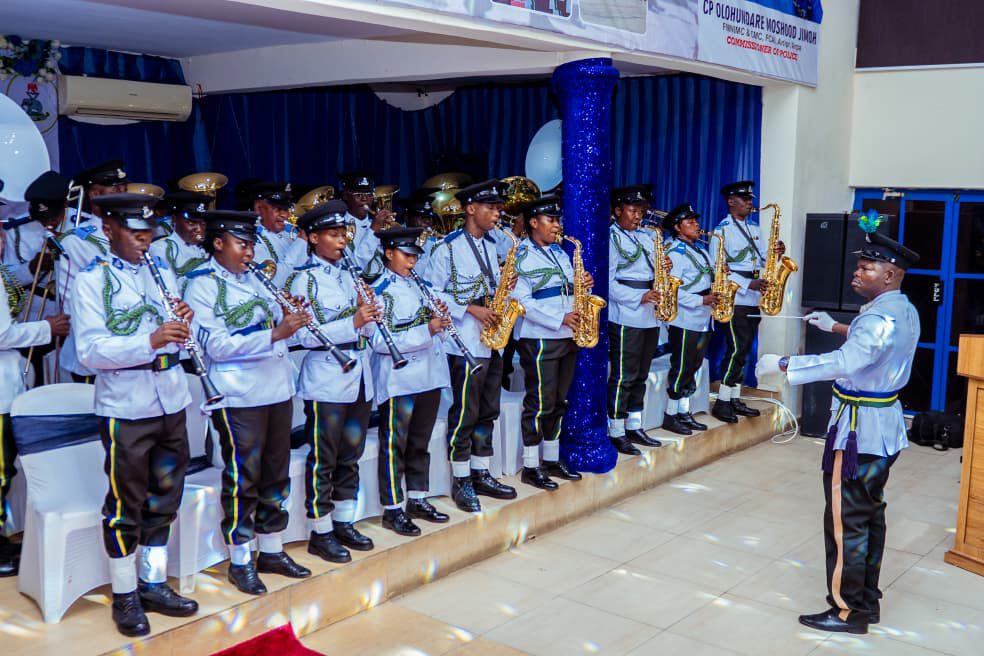
Addressing members of the newly commissioned band, the IGP charged them to uphold the highest standards of discipline, conduct, and performance, noting that as pioneers, they will define the reputation and culture of the unit.
“You are not just providing ceremony; you are projecting the values, discipline, and professionalism of the Nigeria Police Force. Your conduct must be exemplary, and your performance must reflect the standards of this institution,” he said.
He also acknowledged the behind-the-scenes efforts of officers and personnel whose contributions made the establishment of the band possible, describing their work as foundational to lasting institutional progress.
The IGP concluded by affirming that the strength of a police institution lies not only in operational success, but in the quality of its structures, the standards it embeds, and the confidence it commands.
With that, he formally commissioned the Lagos State Police Command Band for official use and service to the Nigerian public, praying for the Nigeria Police Force, the Lagos State Command, and the Federal Republic of Nigeria.
About the Author