
 Odita Sunday

Seme Customs moves to dismantle trade barriers, deepens border diplomacy with traditional rulers, security agencies
By Odita Sunday
The Nigeria Customs Service (NCS), Seme Area Command, has intensified efforts to eliminate long-standing trade barriers along the strategic Lagos–Abidjan corridor, as part of a broader push to enhance regional commerce, improve revenue generation, and strengthen border security through sustained stakeholder engagement.
The Customs Area Controller (CAC), Comptroller Kaila, disclosed this during a series of high-level familiarisation visits to traditional institutions and sister security agencies within Badagry and adjoining border communities, stressing that collaboration remains the cornerstone for achieving the Service’s tripartite mandate of trade facilitation, revenue generation, and anti-smuggling enforcement.
The Lagos-Abidjan corridor, widely regarded as one of West Africa’s most economically significant trade routes under the ECOWAS framework, has long been challenged by bottlenecks including informal checkpoints, smuggling networks, and weak inter-agency coordination—factors the Seme Command says it is now tackling head-on through inclusive engagement.
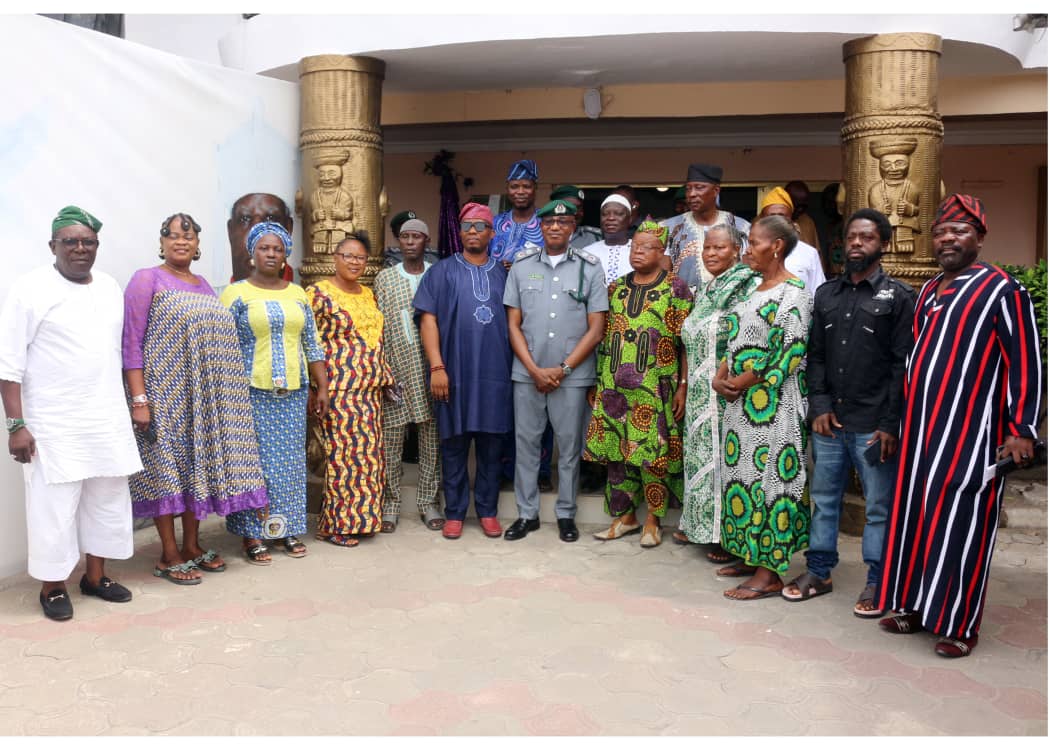
Speaking at the Palace of the Oba Akran of Badagry Kingdom, Comptroller Kaila used the opportunity to formally introduce himself while also seeking royal support and legitimacy for ongoing Customs operations within the axis. He further expressed condolences to the royal family over the passing of the revered monarch, HRM De Wheno Aholu Menu Toyi I, describing his reign as one that fostered cross-border peace and cultural cohesion.
“The purpose of my visit is to introduce myself as the Area Controller of Seme Command and to equally seek your royal blessing and support to achieve the core mandate of the Service,” Kaila stated.
He added: “Our priority remains to generate revenue, facilitate trade, and suppress smuggling. But we recognise clearly that without the cooperation of traditional rulers and host communities, it becomes extremely difficult to achieve sustainable success. Customs operations are not carried out in isolation—they are deeply connected to the people.”
Responding, the King Regent of Badagry Kingdom, Chief Abel Ogunbiyi, reaffirmed the community’s commitment to peace and institutional cooperation, noting that Customs operations would continue to receive the backing of local leadership structures.
“We have listened to your request. Know that Badagry is a very peaceful town, and we will keep collaborating with you in safeguarding our borders and in promoting legitimate trade,” he said.
The CAC’s engagement train also moved to Ibereko Awori Kingdom, where the Onibereko, Oba Israel Okoya, assured the Service of grassroots support, particularly in sensitising youths against illegal cross-border activities.
“I welcome you to Badagry and be rest assured that I will always talk to my people whenever the need arises. In our town, our youth do not engage in illegalities, and we will continue to support your efforts in achieving the government’s mandate,” the monarch said.
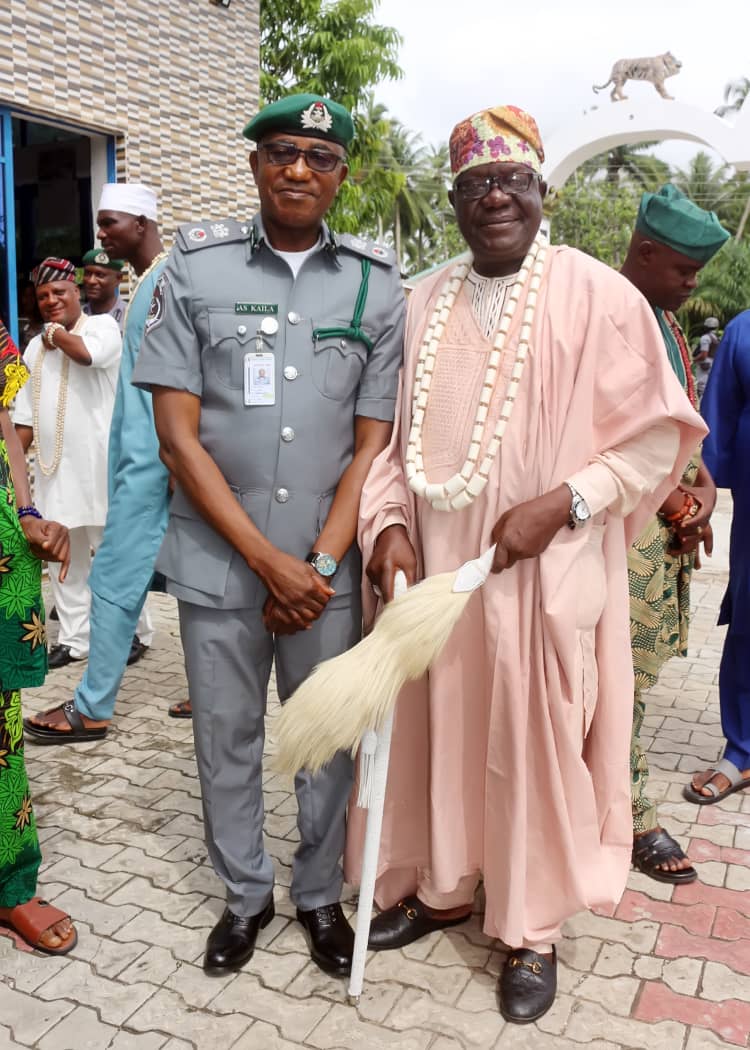
At Apa Kingdom, the Alapa, Oba Oyekan Ajose Ilufemiloye, described Comptroller Kaila as a seasoned and highly respected officer, pledging unwavering support to Customs operations within his domain.

“I promise you that I will always assist you in my area for anything that you need. Our border here has been peaceful because our youth listen to the elders, and with your presence, things will only get better,” he added.
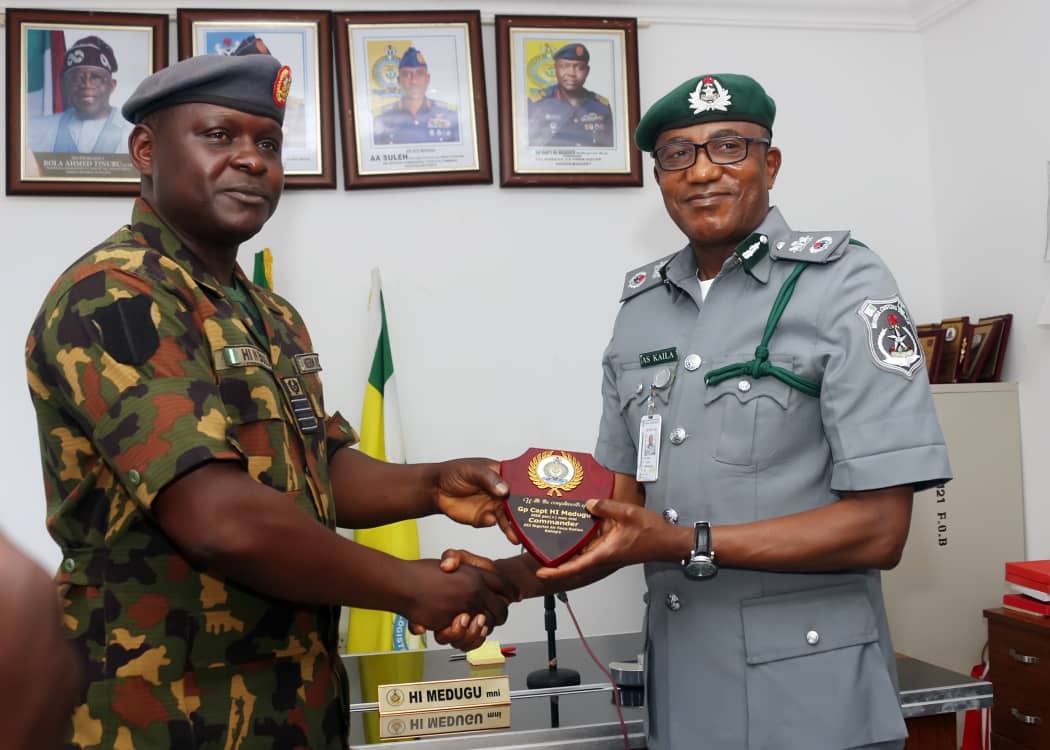
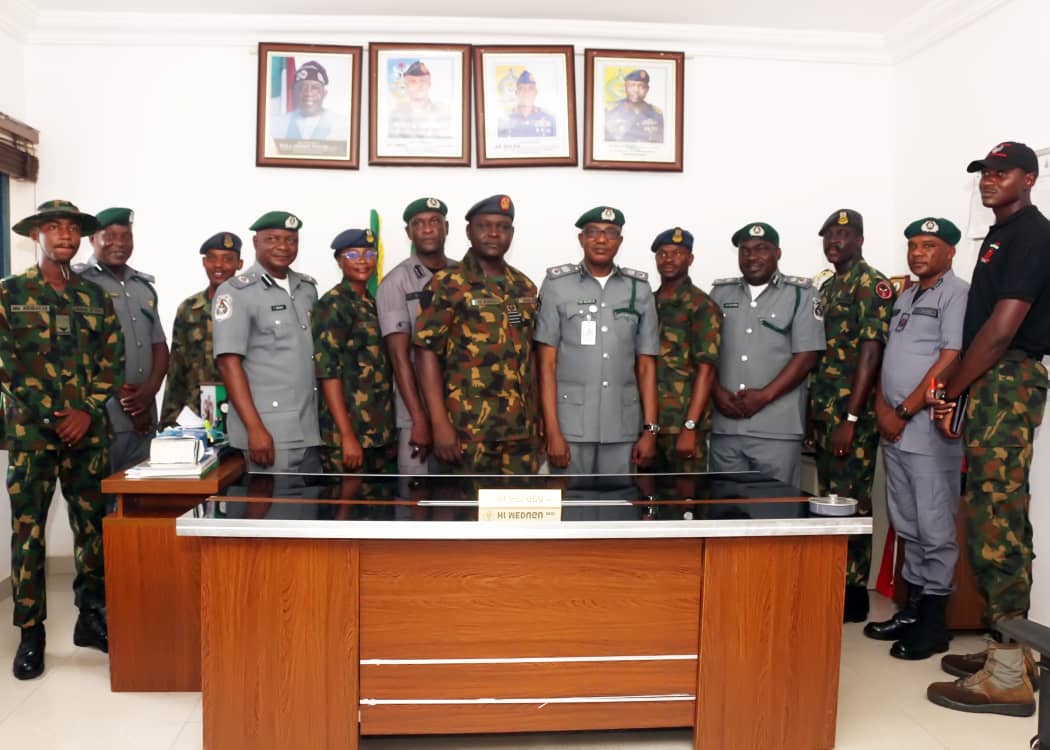
In a strategic move to consolidate inter-agency collaboration, Comptroller Kaila also visited the Headquarters of the 653 Nigerian Air Force Base in Ahanve-Badagry, where discussions centred on intelligence sharing, joint operations, and coordinated border patrols.
The Commanding Officer, Group Captain Hungruy Medugu, emphasised the importance of synergy between security agencies, noting that past successes in combating transnational crimes were largely due to collaborative frameworks.
“Our collaboration has been key to various successes we have recorded. Your presence here strengthens the existing bonds of inter-agency cooperation, and we will continue to work closely with the Customs Service to achieve our shared objectives,” he said.
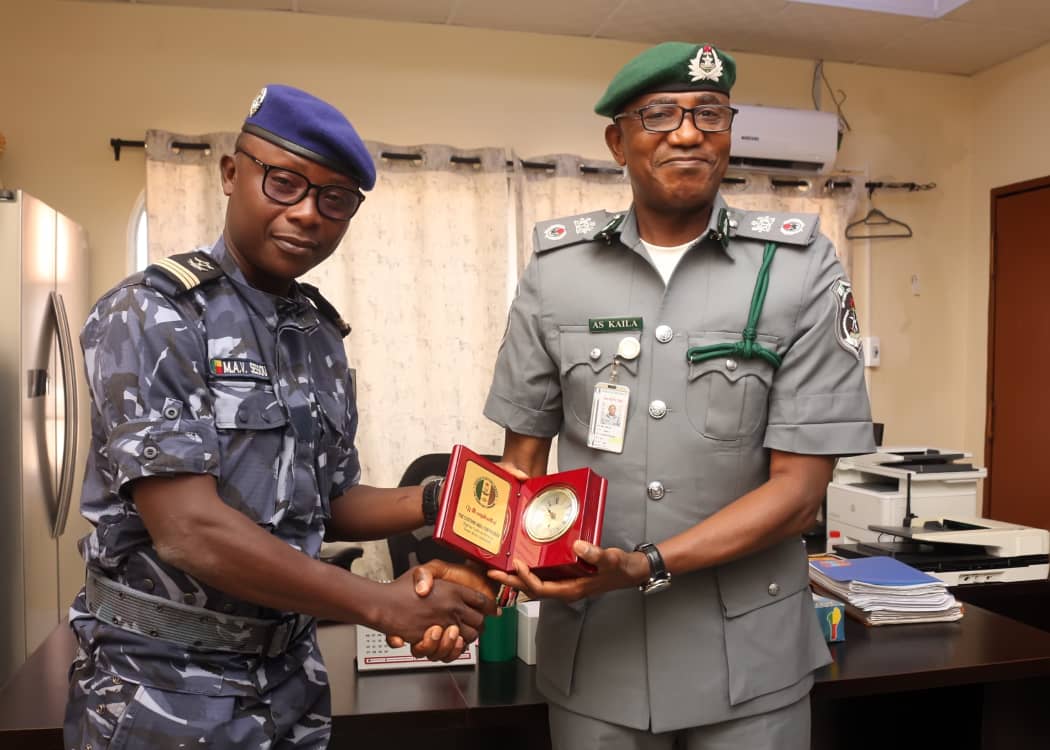
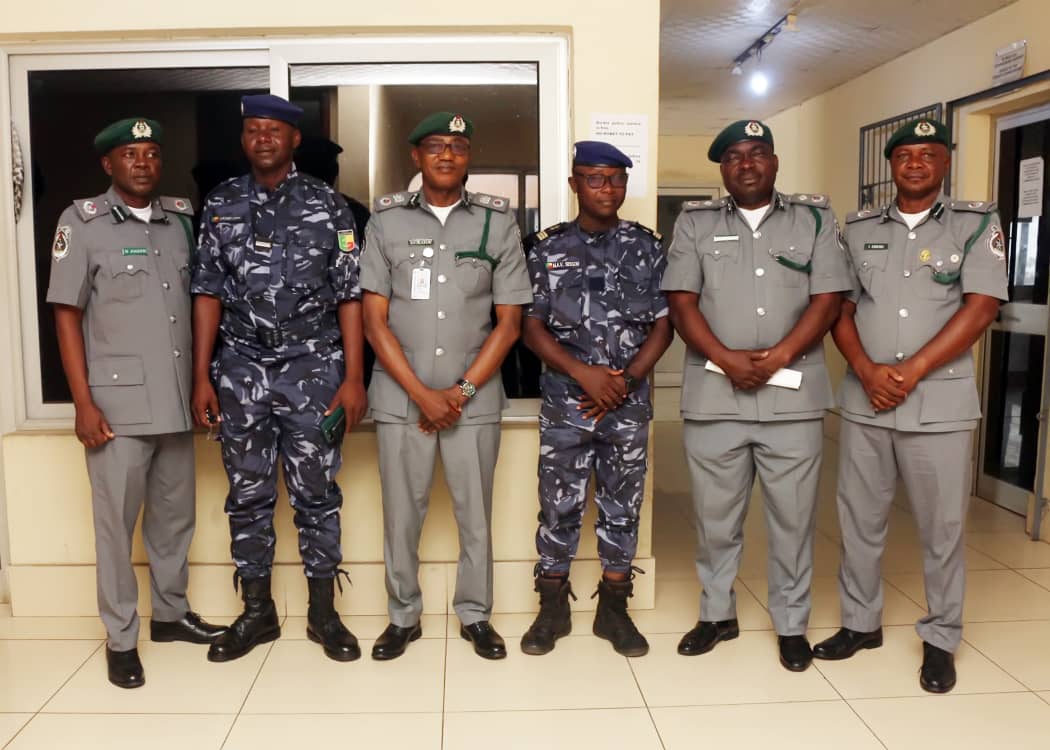
Further demonstrating a regional outlook, the CAC extended his engagement beyond Nigeria’s borders with a visit to the Republic of Benin Police Command, underscoring the importance of cross-border institutional cooperation in eliminating trade bottlenecks and enhancing lawful movement of goods and persons.
Industry observers say the renewed engagement strategy signals a shift from enforcement-only tactics to a more integrated, diplomacy-driven approach—one expected to yield long-term stability along the corridor while boosting Nigeria’s non-oil revenue streams.
About the Author