 Odita Sunday




By Ewere Okonta, PhD
08037383019
eobnewsmedia@gmail.com
eob.org.ng
There is always a place for merit, competence and excellence in every society, no matter how deeply corruption, favouritism, nepotism and mediocrity may have eaten into its fabric. The fact that a society has normalised cutting corners does not mean that doing things the right way has become obsolete. Neither does the prevalence of incompetence mean that excellence has lost its relevance.
This is the message I want us to reflect upon today: No matter how bad our society becomes, there will always be a place for merit!
But what exactly do we mean by merit, competence and excellence?
Merit refers to the quality of deserving recognition, reward or an opportunity based on one’s abilities, achievements, hard work and contributions rather than personal connections, ethnic considerations or financial influence.
Competence is the demonstrated possession of the knowledge, skills and capacity required to perform a particular task or responsibility effectively.
Excellence is the consistent pursuit of outstanding standards in whatever one does, with a commitment to continuous improvement and the delivery of the best possible results.
These three qualities are interconnected. Merit recognises what you deserve, competence establishes what you can do, while excellence demonstrates how well you do it.
Unfortunately, we live in a society where people sometimes celebrate mediocrity, reward loyalty over competence, promote friendship over performance and place political affiliations above the capacity to deliver. In some instances, the most qualified person is overlooked because he or she lacks the right connections, while less competent individuals occupy sensitive positions through patronage.
But should we accept this as the new normal? Must we all become victims and promoters of a system that rewards mediocrity? I think not!
There is still a place for merit in our society, and we must never surrender that space to corruption.
As parents, we must recognise that our responsibilities go beyond providing food, shelter and school fees. We must raise responsible, disciplined and morally upright children who can look up to us as role models. Children often learn more from what we do than from what we say.
As children, you have a responsibility to take your education seriously, develop useful skills, cultivate good character and prepare yourselves for the challenges of tomorrow. Do not depend entirely on your parents’ connections to succeed in life. Build your own capacity. Your surname may open a door, but your competence and character will determine how long you can remain relevant.
As teachers and lecturers, we are moulders of minds and builders of the future. Our responsibility is not merely to earn salaries but to impart knowledge, inspire critical thinking and prepare students for meaningful contributions to society. This requires continuous learning, dedication and commitment to our profession.
Students, on your part, must understand that academic success cannot be built on examination malpractice, plagiarism or the purchase of grades. It requires discipline, hard work and a genuine commitment to learning. Your certificate may secure an interview, but your knowledge, competence and character will determine your performance.
As entrepreneurs and business owners, let integrity, innovation and quality guide your operations. Do not sacrifice long-term credibility for quick profits. Build businesses that deliver value, satisfy customers and stand the test of time.
As public servants and professionals, whether doctors, lawyers, engineers, journalists, accountants or administrators, we must understand that every position carries responsibilities. The society needs people who can deliver results, not merely occupy offices.
To our politicians, political office should be regarded as a call to service rather than an opportunity for personal enrichment. Demonstrate competence, integrity, vision and accountability. Public office is a trust, not a personal inheritance.
The people, too, must change their attitude towards political leadership. When choosing those who represent us, we must look beyond political parties, financial inducements, ethnic sentiments, religious affiliations and family connections. We must ask difficult questions: What has this individual achieved? What is the person’s capacity? What is the track record? Can we trust this individual with our collective future?
We cannot continue to elect people based on how much money they distribute during campaigns and then complain about poor governance for another four years. We must learn to reward competence and hold public officeholders accountable.
The same principle applies to religion. Religious leaders must demonstrate integrity, sound knowledge, humility and genuine commitment to the spiritual and moral development of their followers. The pulpit should never become a platform for exploiting the vulnerability of the people.
We must also understand that merit and excellence are not exclusively reserved for people who attended the best schools, come from wealthy families or enjoy privileged backgrounds. An individual from a humble background can achieve remarkable things through hard work, discipline, determination and continuous self-development.
On a personal note, I have made a conscious decision to continually become a better version of myself. I compete with myself, not necessarily with other people. I constantly ask myself: Can I do better than I did yesterday? Can I improve my knowledge? Can I write better, teach better, serve better and make a greater impact on the people around me?
I believe one of the greatest competitions in life is the competition with oneself. When you make yourself your own competitor, you are constantly challenged to improve without becoming unnecessarily envious of another person’s progress.
We must therefore stop using the shortcomings of our society as excuses for personal failures. The fact that corruption exists does not justify becoming corrupt. The fact that people cut corners does not mean we should abandon integrity. The fact that mediocrity is celebrated in some quarters does not mean we should lower our standards.
Imagine a society where parents raise responsible children, teachers produce knowledgeable students, professionals discharge their duties competently, entrepreneurs build sustainable businesses and politicians put the interests of the people first. Would such a society not be a better place for everyone?
This is the society we should aspire to build, and it begins with individual responsibility. Rather than asking only what society can do for us, let us begin to ask what value we are adding to it.
Let us stop celebrating people merely because they are wealthy, influential or politically connected. Let us recognise and celebrate those who have demonstrated character, competence, merit and excellence.
My message today is simple: Never allow the failures of society to lower your personal standards.
Corruption may delay the recognition of merit, but it cannot permanently erase its value. Mediocrity may enjoy temporary applause, but excellence has enduring relevance.
Whatever your calling or profession, discharge your responsibilities with integrity and competence. Wherever you find yourself, make a positive difference. And whenever you have an opportunity to choose between competence and connections, choose competence.
There will always be a place for merit in our society. The question is: Will you be among those who promote it or among those who destroy it?
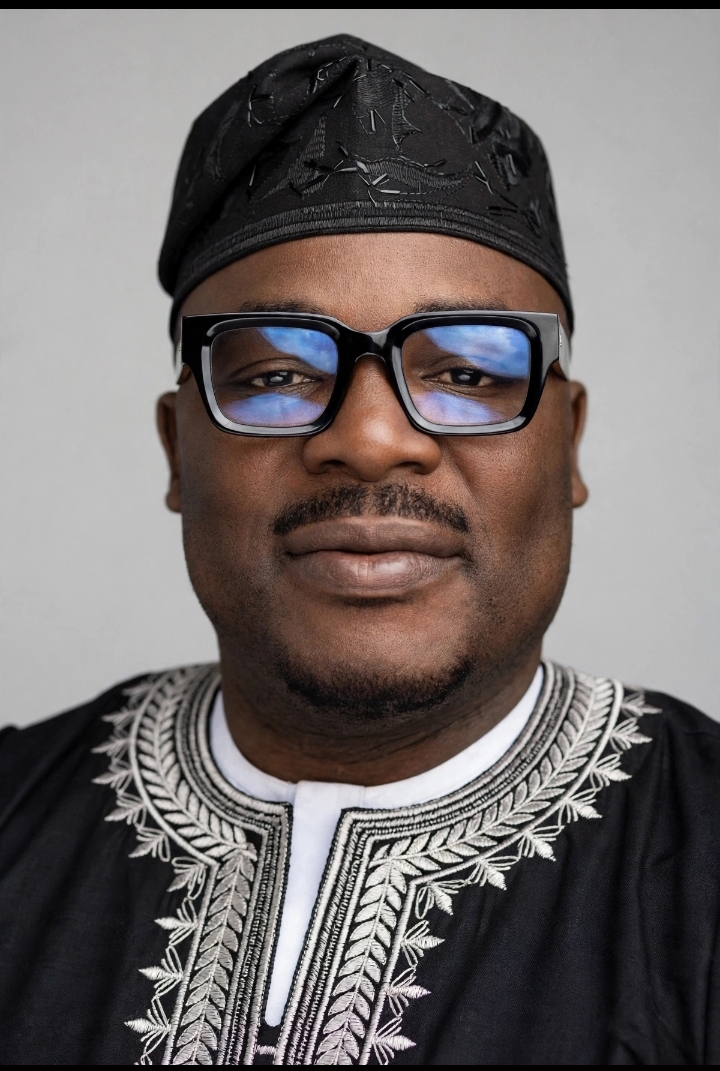
Dr Ewere Okonta is the CEO of EOB Media, a family-values advocate, teacher and writer. He writes from the Department of Business Administration, University of Delta, Agbor.
#EOB #DrEwereOkonta #SundaySermon
About the Author