 Odita Sunday


By Laurence Izegbu
In third-world countries like Nigeria, followers of failed leaders often engage in violent conflicts, fostering enmity and destruction, while the leaders they defend secretly meet and dine with champagne ,secure their own futures and wealth for their children
It’s a stark contrast that highlights the need for systemic change and mental decolonization.Please relax and enjoy the piece.
A profound dichotomy exists between advanced economies and third-world countries, underscoring a pervasive disparity in education, exposure, and social grace.
These three pivotal elements profoundly shape individual and collective cognition, influencing how societies perceive, reason, and interact with their surroundings.
Those endowed with education, exposure, and social grace typically possess a sophisticated sense of reasoning, adeptly analyzing situations, embracing diverse perspectives, and navigating intricate complexities with discernment.
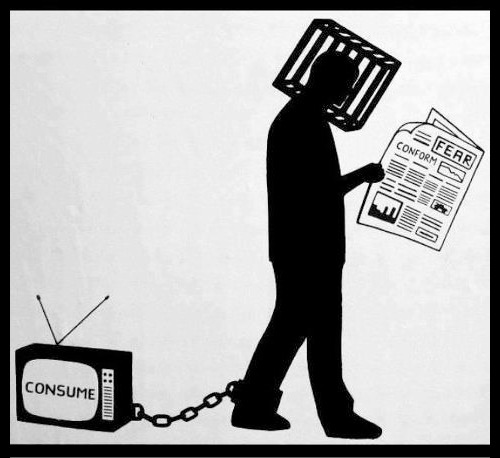
Conversely, those lacking these advantages often exhibit a myopic worldview, entrenched in binary thinking .Mental slavery is a significant issue in third world countries . It’s worse than cancer.
In advanced nations, educated, exposed, and socially adept citizens drive progress. informed citizens hold leaders accountable, fostering transparency and innovation.
Exposure to global trends lets entrepreneurs pivot businesses, like tech shifts in Silicon Valley. Diplomats navigate international relations with empathy, securing deals and partnerships.
These qualities fuel growth, accountability, and collaboration.
Meanwhile, in some third-world countries, leaders embezzle funds, yet followers praise them, often due to limited education exposure, and hunger.
Lack of critical thinking lets misinformation spread. Social dynamics prioritize loyalty over accountability, hindering progress.
A leader diverts healthcare funds to personal accounts; educated, exposed citizens would demand action, while those in third world countries glorify the leader, unaware of the impact.
The human cost is stark. Advanced economies prioritize systems that work for everyone;free education, healthcare, infrastructure, access to credit, security for lives and properties, constant electricity etc. Citizens critique leaders for not doing more, expecting better.
In third-world countries, citizens struggle for everything basics – education, healthcare, safety, electricity , good roads etc.
Leaders in third world countries often secure their families abroad, benefiting everything they refuse to provide in their own countries
People defend failing leaders, trapped in a cycle. It’s a web of systemic neglect vs. empowered accountability.
Education, exposure, and social grace equip citizens to demand better; without them, progress stalls .
Visible development in countries like Nigeria, Sudan, Cameroon etc might be impossible because the oppressed are happy with their suffering, struggling, and hunger.
They are satisfied with the peanut they receive without realising there’s more to life. In these countries, problems persist because the very people who could question the leaders are the ones defending them.
A child of 21 years in an advanced country is already a homeowner with a good job and sound education, while in third-world countries, men of 65 years are bootlickers and praise singers often recruited to snatch ballot boxes and defend the failures.
The mindset and brain of majority in third world countries has been damaged and until they undergone a mindset reform therapy which
implies that they need a fundamental change in how people think about leadership, accountability, and progress nothing will change in these countries.
About the Author