 Odita Sunday


THE SOUTH-EAST DOES NOT NEED PERMISSION OR APOLOGIES TO LEAD NIGERIA: ONOH
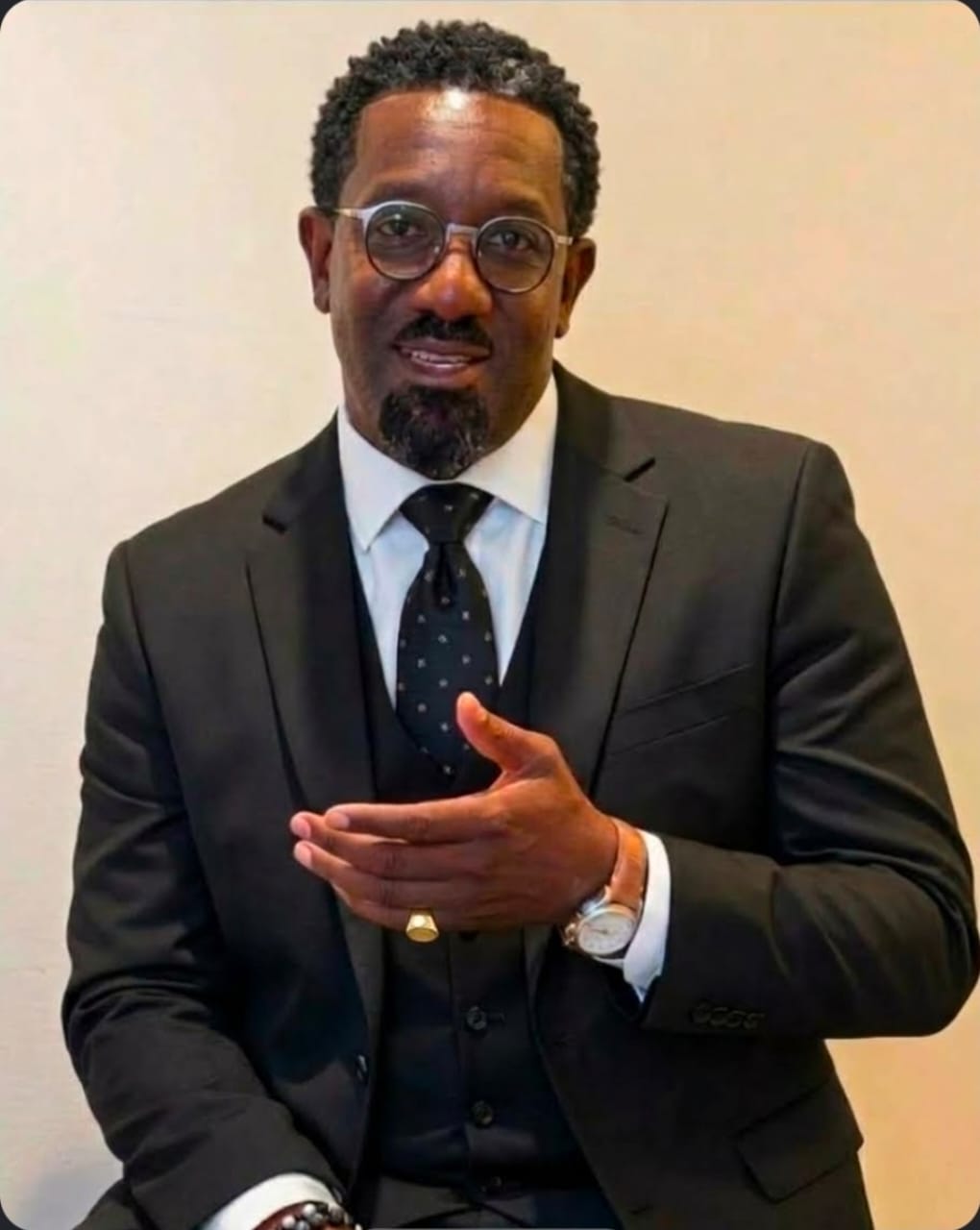
The former southeast campaign spokesman to President Bola Ahmed Tinubu and Chairman of the Forum of Former Members of Enugu State House of Assembly.
Denge. Josef Onoh has forcefully rejected statements made by the convener of The Alternative, Segun Sowunmi, on the Selah Meditate Podcast, calling his assertions that Peter Obi and the ‘Obidient’ movement are the “biggest obstacles” to an Igbo presidency a fundamentally flawed and regressive misreading of Nigeria’s current political reality.
In a statement made available to journalists in Lagos today,Onoh
Rebutted Segun Sowunmi’s flawed analysis on the IGBO Presidency and Peter Obi.
Onoh said that Sowunmi had argued during his podcast appearance that the South-East is isolating itself through political hostility, tribalism, and a failure to strategically negotiate power across multicultural lines.
In a detailed rebuttal aimed at educating the author and the public, Onoh dismantled Sowunmi’s claims, describing them as an attempt to gaslight an entire geopolitical zone and enforce an unfair double standard on the region’s democratic choices.
Onoh stated that Sowunmi’s claim that the Obidient movement alienates other regions is completely rubbished by the hard facts of the 2023 presidential election.
“Peter Obi did not run a regional or ethnic campaign,” Onoh noted. “He secured historic, outright victories in states far outside the South-East, including Lagos, Nasarawa, Plateau, and the Federal Capital Territory (FCT). This is the very definition of a successful, functional, cross-regional national alliance. For Sowunmi to label a movement that united youths from the North, West, and South as an ‘obstacle’ to national integration is a deliberate distortion of history.”
Responding to Sowunmi’s complaints about the “irritation” and anger generated by Obi’s supporters, Onoh cautioned against weaponizing passionate online political discourse to disqualify a region from national leadership.
“Onoh stated that what Sowunmi comfortably labels as ‘bigotry and hatred’ is nothing more than robust, digital-age political opposition to the status quo,” and the South-East has received more bigotry and hatred since 2023 till date both from goverment appointees down to the street traders especially from the south west region in Nigeria. Although the attitude of a few characters from the South-East towards their host regions can be very unbecoming sometimes but irrespective of that,
Onoh said that “Passionate, unyielding, and sometimes aggressive online discourse is standard across all major political camps in Nigeria—including the APC and the PDP. It is hypocrisy to isolate the Obidient movement for policing when toxic identity politics have been deployed by all sides.”
Onoh further dismantled Sowunmi’s assertion that a political leader must “manage his troops” like a military general. “Onoh said that the Obidient phenomenon is a decentralized, citizen-led movement, not a strictly top-down party dictatorship. Expecting a single leader to police the individual social media handles of millions of independent, frustrated Nigerian voters is an unrealistic standard that Sowunmi never applies to political leaders from the North or the West.”
Onoh strongly chided Sowunmi for questioning why Igbo businesspeople express grievances over Nigeria’s economic conditions despite their massive presence in real estate, banking, retail, and aviation.
“Onoh held that Sowunmi’s logic is insulting and economically illiterate,” Onoh said that “An ethnic group’s resilience, entrepreneurial drive, and ability to survive in a hostile economy do not strip them of the right to demand good governance. Success in the market squares of Lagos or Abuja does not replace the constitutional right to equitable political representation at the highest level of government. We are stakeholders in the Nigerian project, not onlookers who should be content merely with trading.”
Concluding his statement, Onoh reminded Sowunmi and political commentators of his ilk that in a constitutional democracy, “negotiating power” does not mean the South-East must constantly apologize for its political choices or beg for validation by suppressing its democratic enthusiasm.
“The South-East does not need a permission slip from political actors who are stuck in old ways of doing things,” Onoh concluded. “The 2023 momentum showed that the region, alongside millions of forward-thinking Nigerians from every tribe and religion, is ready to earn power through the ballot box, based on competence, character, and organic national coalitions. That momentum is a stepping stone, not an obstacle.”
About the Author