 Odita Sunday


By Odita Sunday
In the evolving landscape of Nigerian politics, few leaders have risen from humble beginnings to positions of enormous influence with the kind of steady resilience and grassroots appeal that define the political journey of Sheriff Oborevwori. From his modest upbringing in Delta State to becoming the Governor of one of Nigeria’s most economically strategic states, Oborevwori’s story reflects perseverance, loyalty, political dexterity, and an enduring connection with ordinary people.
Born on June 19, 1963, in Osubi, Okpe Local Government Area of Delta State, Sheriff Oborevwori’s early life was shaped by discipline, hard work, and communal values. Unlike many political figures whose rise is often linked to elite backgrounds, Oborevwori built his reputation through persistence and gradual political growth. His educational journey took him through several institutions, culminating in degrees in political science and public administration, experiences that later prepared him for the complex demands of governance and legislative leadership.
Before venturing fully into politics, Oborevwori was actively involved in business and community administration. Those who worked with him during his early years often describe him as calm, strategic, and deeply accommodating. These qualities later became defining attributes of his political identity. His political rise was not accidental; it was built through years of loyalty to party structures, grassroots mobilization, and an understanding of the socio-political dynamics of Delta State.
Oborevwori’s political prominence gained national attention during his tenure as Speaker of the Delta State House of Assembly, a position he occupied from 2017 to 2023. As Speaker, he distinguished himself as a stabilizing force in Delta politics. At a time when legislative-executive conflicts were common across many Nigerian states, the Delta Assembly under his leadership enjoyed relative harmony and institutional stability. His ability to manage lawmakers from diverse political and ethnic backgrounds earned him widespread respect within and outside the state.
One of the major strengths of Oborevwori’s leadership style is his grassroots orientation. Unlike politicians who maintain distance from local communities after assuming office, he cultivated a reputation as a leader accessible to ordinary citizens. This close connection with the grassroots became a major factor in his emergence as the governorship candidate of the People’s Democratic Party and his eventual victory in the 2023 Delta State governorship election.
His governorship campaign was anchored on the “MORE Agenda” — Meaningful Development, Opportunities for All, Realistic Reforms, and Enhanced Peace and Security. The slogan resonated strongly among Deltans because it reflected continuity, inclusiveness, and practical governance. Beyond campaign rhetoric, the agenda was designed to address infrastructure deficits, youth unemployment, healthcare delivery, education, economic diversification, and social inclusion.
Since assuming office as Governor of Delta State, Oborevwori has continued to project himself as a pragmatic administrator focused on development and stability. His administration inherited significant expectations from the people, especially given Delta State’s strategic economic importance as one of Nigeria’s major oil-producing states. Yet, despite the enormous pressure associated with governing such a complex state, he has maintained a measured and people-focused approach.
Infrastructure development has remained one of the defining pillars of his administration. Across several communities in Delta State, road construction, urban renewal projects, drainage systems, and rural connectivity initiatives have received renewed attention. His government has consistently emphasized that development should not be concentrated only in urban centers but should spread across all senatorial districts and local government areas.

In addition to infrastructure, Oborevwori has demonstrated interest in human capital development. Youth empowerment programmes, skills acquisition initiatives, and support for small and medium enterprises have become visible aspects of his governance strategy. In a country where unemployment and youth restiveness remain major concerns, such initiatives are critical for social stability and economic sustainability.
Observers also credit Oborevwori with maintaining political peace in Delta State. Delta politics, like many states in the Niger Delta region, is often characterized by intense rivalries and competing interests. However, through consultation, inclusiveness, and consensus-building, the governor has managed to sustain relative political calm while strengthening internal party cohesion. His leadership style is often described as less confrontational and more conciliatory — a trait many believe has helped him avoid unnecessary political crises.
Another significant aspect of Oborevwori’s profile is his commitment to continuity in governance. Rather than pursuing abrupt policy reversals, his administration has sought to consolidate ongoing projects while introducing new initiatives aligned with present realities. This governance philosophy has reassured investors, political stakeholders, and development partners who value policy consistency and stability.
Critics, however, argue that the enormous resources available to Delta State demand even faster development and more aggressive industrialization. Like many governors in Nigeria, Oborevwori faces challenges ranging from economic fluctuations and insecurity to rising public expectations. Nevertheless, supporters insist that his gradual but steady governance approach reflects careful planning rather than political theatrics.
Beyond politics, Sheriff Oborevwori represents a broader narrative about leadership in contemporary Nigeria — the rise of leaders shaped by grassroots politics rather than elite privilege alone. His journey from local political structures to the highest office in Delta State continues to inspire many young politicians who believe in patience, loyalty, and sustained community engagement.
In many ways, Oborevwori’s political career underscores the enduring relevance of grassroots democracy in Nigeria. While political influence, alliances, and party machinery remain important, his ascent demonstrates that consistent connection with the people can still shape political outcomes in a meaningful way.
As Delta State continues to navigate economic transformation, infrastructural expansion, and social development, the leadership of Governor Sheriff Oborevwori will remain under close national attention. Whether viewed as a bridge-builder, a grassroots mobilizer, or a pragmatic administrator, there is little doubt that his profile has become increasingly towering within Nigeria’s political landscape.
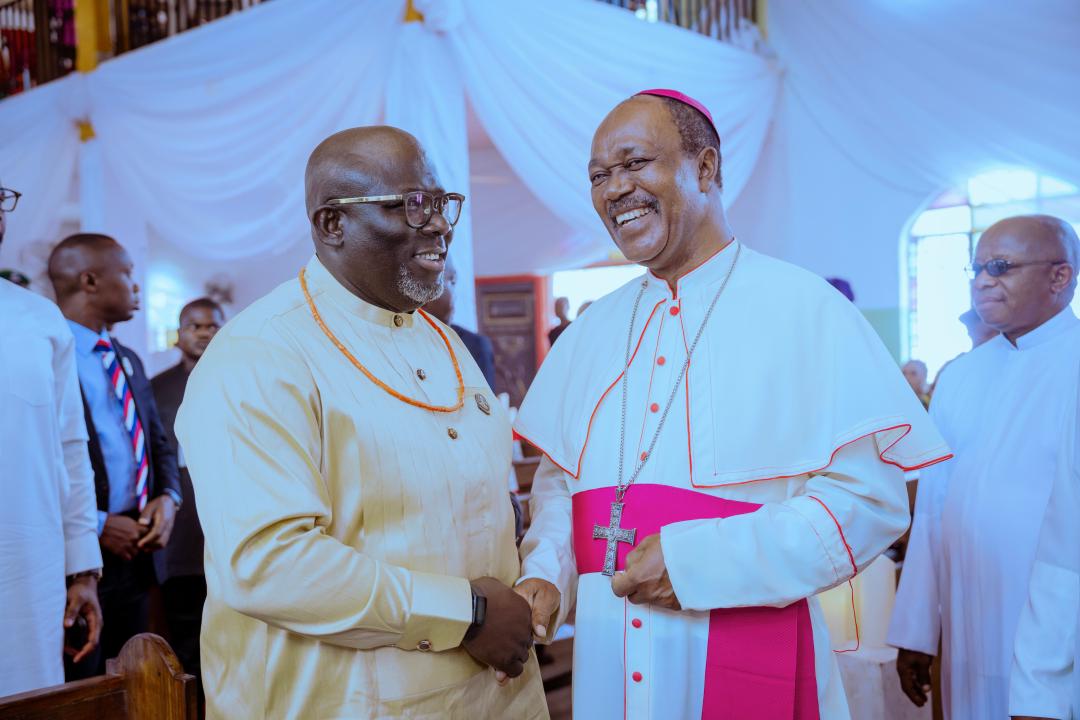
For many Deltans, the true test of his legacy will ultimately rest not merely on political survival, but on the lasting developmental impact his administration leaves behind. Yet, even at this stage, Sheriff Oborevwori has firmly established himself as one of the most consequential political figures to emerge from Delta State in recent times.
About the Author