 Odita Sunday



TINUBU MUST CONTINUE AND TINUBU MUST GO: WEIGHING THE MERITS AND DEMERITS
-The Impact of Seyi Tinubu’s Defence
By Charles Edet Esq, Fcr
Nigeria stands at a defining political crossroads, torn between two competing declarations: “Tinubu Must Continue” and “Tinubu Must Go.” For the Movement for the Consolidation of Democracy (MOCODE), this apparent contradiction presents an opportunity to interrogate the merits and demerits of political continuity, economic reform, public protests and the ultimate sovereignty of the electorate.
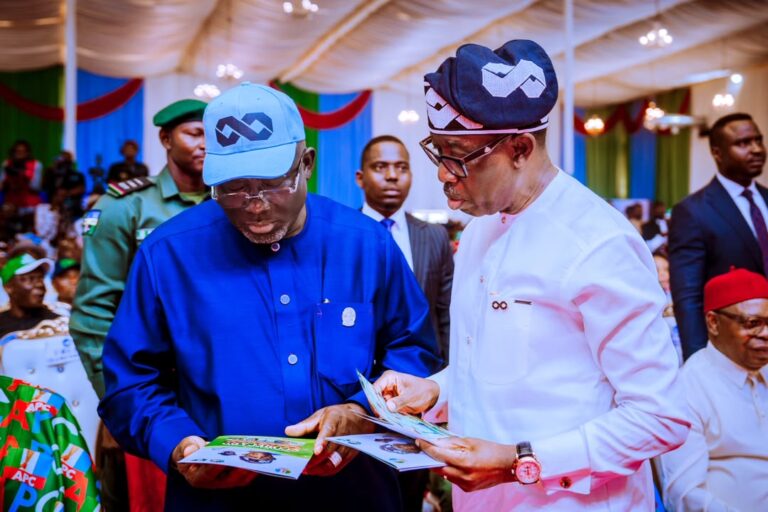
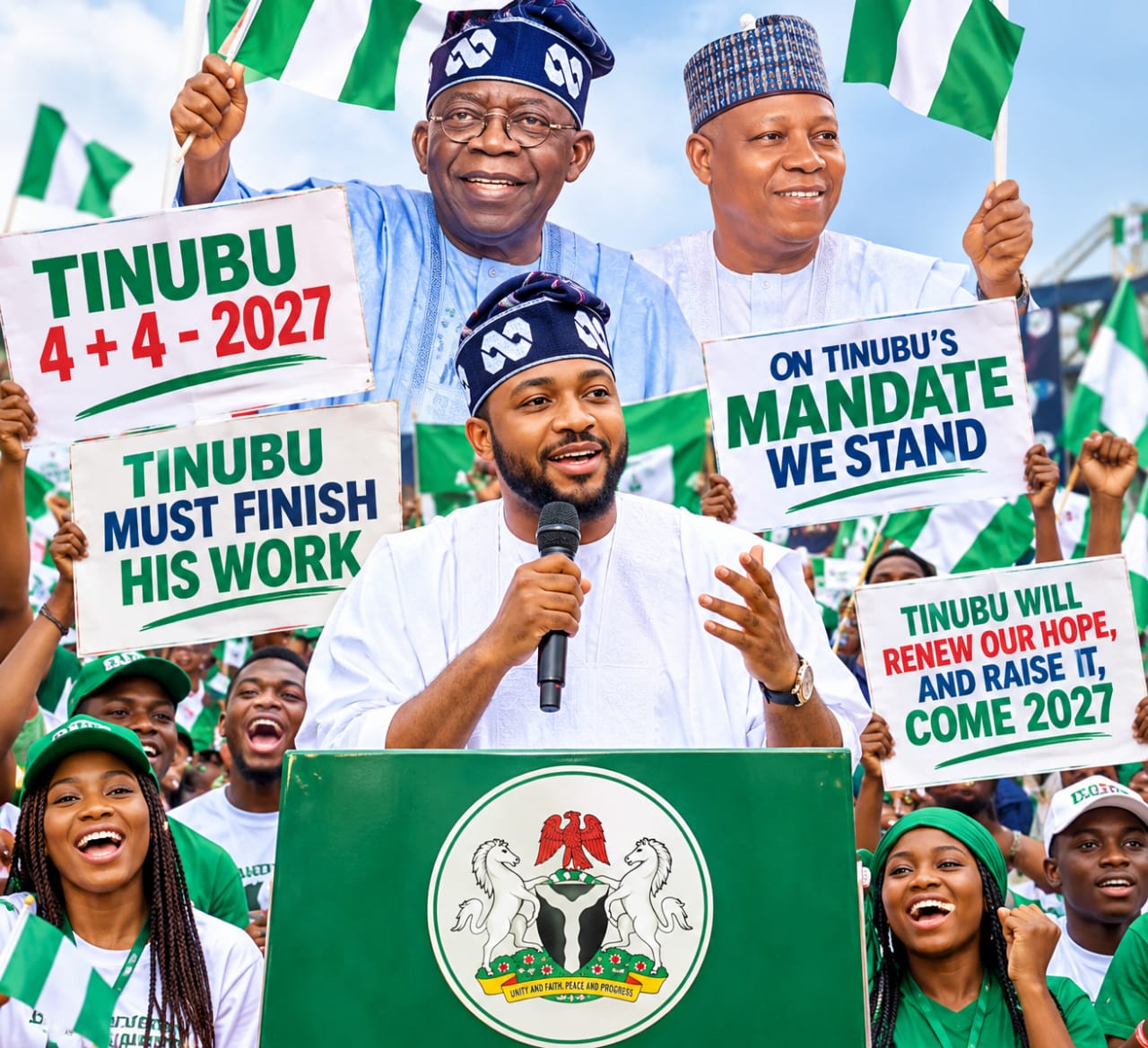
Seyi Tinubu’s unexpected defence of his father’s reforms deserves attention. That a president’s son would publicly acknowledge the immediate suffering accompanying economic restructuring while defending its intended long-term benefits is politically significant. He argues that fuel subsidy removal, foreign-exchange reforms and taxation changes could establish stronger economic foundations for future generations. His references to infrastructure, agriculture, manufacturing, education and access to credit suggest a development agenda whose success must ultimately be measured by its impact on ordinary Nigerians.
Senate President Godswill Akpabio has also declared his support, maintaining that President Bola Ahmed Tinubu deserves a second term. Other political stakeholders have similarly endorsed continuity. Their argument is that abandoning reforms prematurely could undermine progress and perpetuate the cycle of policy reversals that has historically frustrated national development.
Yet, the merits must be weighed against the demerits. Policy continuity can encourage investment, institutional stability and long-term planning. However, prolonged hardship, escalating living costs, unemployment, insecurity and inadequate public services can erode public confidence. Economic reforms cannot be judged exclusively by government intentions or presidential assurances. Nigerians need demonstrable improvements in food affordability, electricity, healthcare, employment and purchasing power. These are the tests by which the administration must justify its second-term ambition.
MOCODE supports President Tinubu’s second term, believing he should have the opportunity to consolidate his policies and fulfil the promises of his first term. Nevertheless, support must not become immunity from criticism. The President must recognise that political trust is sustained by results, not rhetoric.
Protests are an integral component of democracy, practised globally, not peculiar to Nigeria. In established democracies, including the United States, peaceful demonstrations provide citizens with a legitimate avenue to challenge government decisions. Yet, across several developing countries, protesters face detention, arrest and imprisonment. India’s recent “Cockroach” youth movement illustrates this tension: demonstrations over electoral concerns have been followed by detentions and the jailing of activists. Such developments demonstrate why democratic governments must protect peaceful dissent rather than criminalise legitimate disagreement.
In Nigeria, however, demonstrations can escalate into violence, destruction and confrontation, diminishing their original purpose. Peaceful protest must remain protected, while violence and destruction must be rejected. Crucially, where the objective is to change political leadership, protests cannot substitute for elections. In mature democracies, citizens express disapproval through demonstrations and ultimately consolidate their verdict through the ballot box.
MOCODE therefore calls on Tinubu to fulfil his first-term promises, relieve economic hardship, strengthen security and restore public confidence. Our position is clear: Tinubu must continue if his performance merits continuity; he must go if the electorate rejects him. We support his second-term bid, but democracy, accountability and the people’s mandate must always prevail.
About the Author