 Odita Sunday

Visit to Türkiye: How Defence Minister, General Musa Is Advancing Military Diplomacy
By Odita Sunday
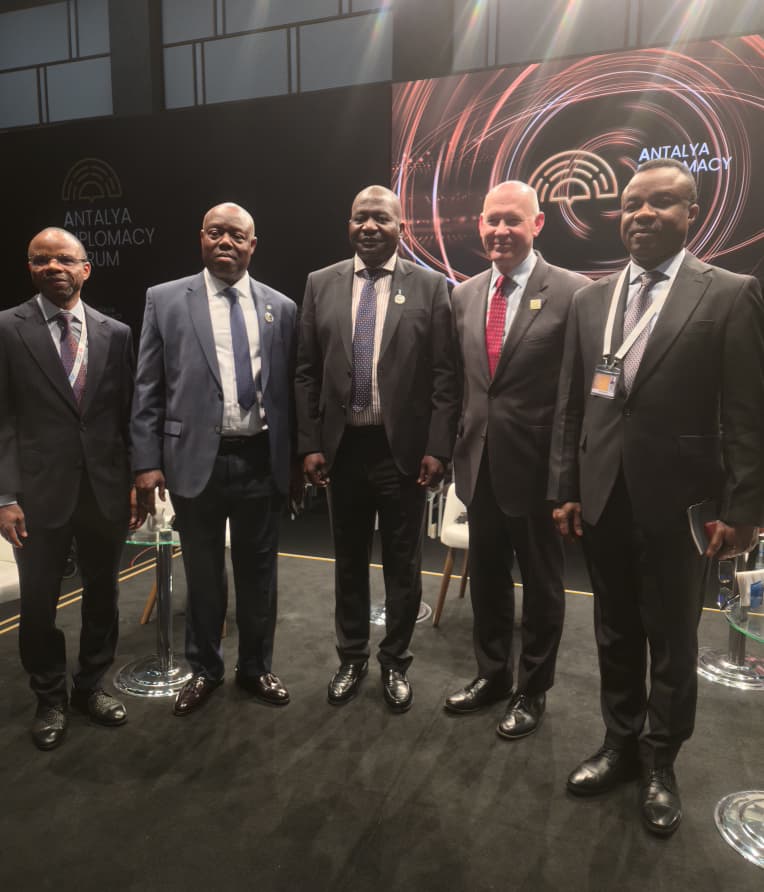
Nigeria’s renewed push to strengthen its security architecture is increasingly taking shape not only on the battlefield, but also at the diplomatic table. That reality was brought into sharp focus on Sunday, April 19, 2026, when the Ministry of Defence announced the outcome of high-level bilateral talks between Nigeria and Türkiye at the Antalya Diplomacy Forum 2026. At the centre of the engagement was the Honourable Minister of Defence, General Christopher Gwabin Musa (Rtd.), OFR, whose outing in Türkiye underscored a growing effort to deploy military diplomacy as a strategic tool for national security advancement.
For a country confronting terrorism, banditry, crude oil theft, maritime insecurity, cross-border crime and other technologically evolving threats, military diplomacy has become more than ceremonial interaction between friendly nations. It is now a practical instrument for building partnerships, sourcing capacity, securing technology transfer and widening the operational options available to the Armed Forces of Nigeria. That is the broader significance of General Musa’s visit.
Leading a high-powered Nigerian delegation that included the Chief of the Air Staff, the Chargé d’Affaires of the Nigerian Embassy, the Defence Adviser and other senior officials from the Ministry of Defence and the Nigerian Embassy in Türkiye, the Defence Minister used the Antalya platform to deepen an already existing bilateral relationship. But beyond the optics of state-to-state engagement, the meeting produced a set of practical commitments that could have long-term implications for Nigeria’s defence readiness.
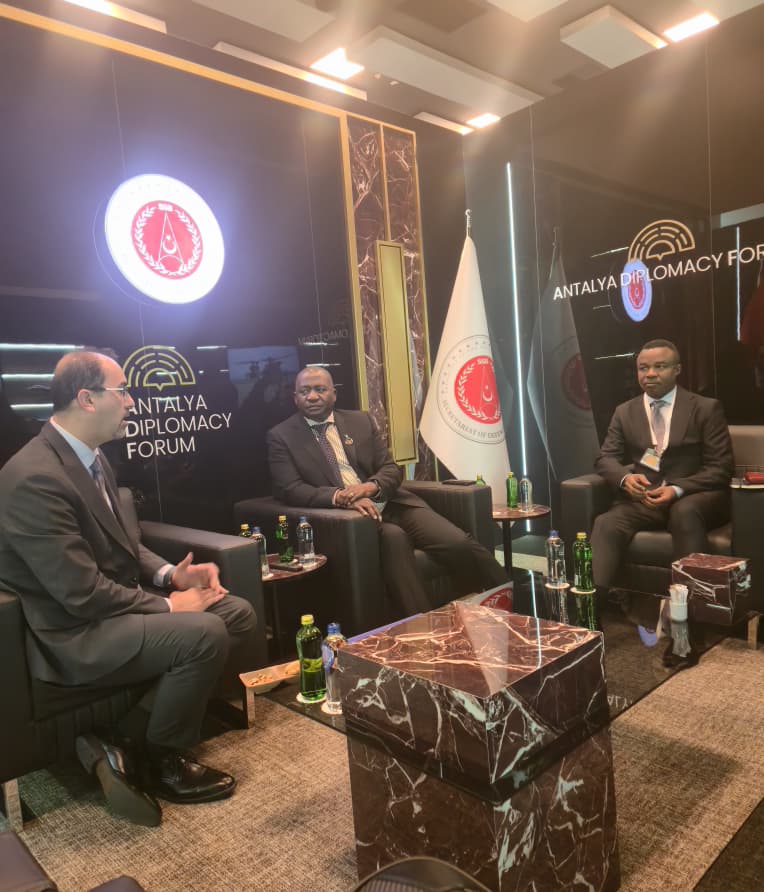
At the heart of the talks was a clear understanding that Nigeria’s security challenges require more than routine procurement of military hardware. What emerged from the bilateral engagement was a broader framework that combines training, technology, operational support, industrial collaboration and institutional development. In effect, General Musa’s diplomacy in Türkiye appears targeted at ensuring that Nigeria is not just buying tools for war, but also building systems for sustainable security capability.
One of the strongest outcomes of the visit was in the area of training and capacity development. Türkiye proposed structured and scalable training programmes for Nigerian forces in critical areas such as Special Forces operations, counterterrorism, intelligence integration, counter-drone operations, counter-IED measures and United Nations pre-deployment training. More significantly, both countries agreed on the immediate deployment of an initial Nigerian cohort to Türkiye, a move that signals an emphasis on urgent results rather than prolonged diplomatic paperwork.
That commitment is important because the nature of today’s security threats is changing rapidly. Terror groups and criminal networks are increasingly adopting asymmetric tactics, improvised explosive devices, unmanned systems and fluid mobility patterns that demand specialised responses. By seeking tailored training support in these specific fields, General Musa is evidently pursuing a defence diplomacy model that is directly aligned with Nigeria’s current operational realities.
Perhaps even more strategic is the agreement to establish a major military training facility in Nigeria as a long-term centre of excellence. Under the arrangement, Nigeria is expected to provide a temporary training site while a suitable coastal location has already been identified for permanent infrastructure. This is one of the clearest indicators that the Antalya engagement was not merely about external support; it was also about institutionalising capacity within Nigeria. If implemented as planned, such a facility could become a major asset for force development, doctrine refinement and specialised operational preparation.
The defence industry and technology transfer component of the talks also deserves close attention. For years, Nigeria’s security discourse has revolved around procurement, often with insufficient emphasis on maintenance culture, local adaptation and indigenous capability growth. The understanding reached with Türkiye points in a different direction. Both sides committed to partnerships involving technology transfer, maintenance training and possible co-development opportunities, with platforms such as IDEF 2026 expected to serve as channels for deeper institutional linkages.
This approach speaks to a larger ambition: moving Nigeria from dependence to capability. A country of Nigeria’s size and security exposure cannot afford to remain perpetually reliant on foreign technical ecosystems without building its own support base. In that sense, General Musa’s engagement in Türkiye suggests an attempt to link military diplomacy with local defence sector development, a step that could eventually improve sustainability, reduce downtime and strengthen self-reliance.
The operational support component of the discussions was equally significant. Türkiye expressed readiness to support Nigeria with advanced surveillance systems, unmanned aerial platforms, satellite-enabled monitoring, counter-drone and counter-IED systems, as well as specialised air and ground platforms, including infantry fighting vehicles suited to Nigeria’s operational environment. These are not abstract areas of cooperation. They are capabilities that matter in live theatres where situational awareness, rapid mobility and precision response can make the difference between tactical success and costly setbacks.
Also notable was the agreement to begin immediate technical engagements on integrated border management, enhanced intelligence sharing and coordinated responses to technologically sophisticated non-state threats. Nigeria’s security crisis has repeatedly shown that porous borders and fragmented intelligence architecture can undermine hard-won gains in internal security operations. By focusing on border systems and intelligence coordination, the Antalya discussions reflected an appreciation of the structural dimensions of insecurity, not just its violent manifestations.
General Musa’s visit also touched on one of the more delicate areas in Nigeria’s security management: disarmament and rehabilitation. Türkiye offered to share best practices in reintegration programmes to support Nigeria’s handling of surrendered combatants and long-term community reintegration. This aspect is particularly important because military success alone does not always translate into lasting peace. Stabilisation often requires a blend of force, rehabilitation and social reintegration. That Türkiye is willing to share lessons in this area broadens the scope of the defence partnership beyond combat operations.
In the aviation space, commitments were made to strengthen maintenance systems, supply chains, lifecycle support and training aimed at increasing operational flight hours and boosting air readiness. This includes potential acquisition and sustained support for helicopters and unmanned systems. For Nigeria, where air operations remain central to counterinsurgency, anti-banditry and surveillance missions, improvements in maintenance and sustainment may prove just as important as fresh acquisitions. Equipment availability and mission readiness often depend less on purchase announcements than on dependable support systems.
Naval cooperation was another important pillar of the engagement. Nigerian naval representatives are expected to interact with Turkish counterparts to inspect and evaluate suitable naval platforms and pursue specialised maritime training. Given Nigeria’s persistent battle against crude oil theft, piracy, illegal bunkering and other maritime crimes, this area of cooperation fits squarely into the country’s strategic priorities. It also reinforces the fact that General Musa’s diplomacy in Türkiye was multi-domain in focus, touching land, air and sea components of national defence.
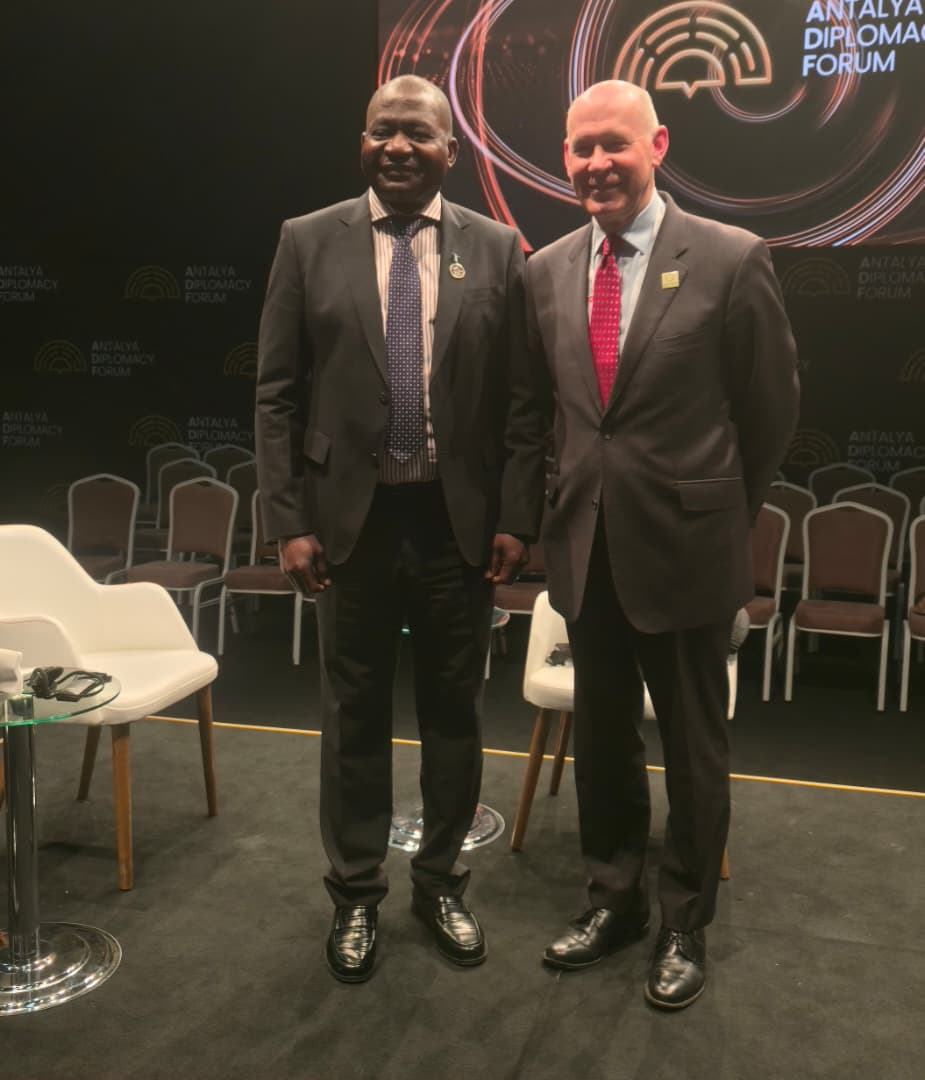
What makes this visit especially relevant is the practical, phased implementation approach adopted by both countries. Rather than issue broad declarations with vague timelines, the two sides agreed on concrete next steps, including the commencement of initial training deployments, technical exchanges on border surveillance, and planning for both temporary and permanent training facilities in Nigeria. That practical orientation may well become the true test of the Antalya engagement.
In his words, General Musa captured the intent behind the visit when he said: “The outcomes of this engagement mark a significant step forward in Nigeria–Türkiye defence relations. We are committed to delivering tangible, measurable results that strengthen our national security and advance the Renewed Hope Agenda. Nigeria looks forward to timely implementation of the initiatives agreed in Antalya.”
That statement is important because it places emphasis on outcomes, not symbolism. For military diplomacy to command public confidence, it must translate into measurable gains in readiness, capability and security impact. The value of the Türkiye visit, therefore, will ultimately be assessed by what follows: the speed of implementation, the quality of transferred knowledge, the durability of institutional partnerships and the extent to which these agreements improve Nigeria’s operational effectiveness.
Still, even at this early stage, the Antalya outing offers a strong indication of the kind of defence engagement General Musa is trying to build: one that is deliberate, partnership-driven, capacity-focused and tied to Nigeria’s immediate and long-term security needs. In an era where national defence increasingly depends on alliances, interoperability, technology and institutional resilience, his visit to Türkiye may well stand as an example of how military diplomacy can be harnessed in service of national interest.
For Nigeria, the message is clear. The battle for security is no longer fought only with troops in the field. It is also fought through strategic relationships, negotiated capabilities and diplomatic engagements that expand the nation’s defence horizon. In that regard, General Musa’s mission to Türkiye was more than a foreign trip. It was a calculated effort to reposition military diplomacy as an active arm of Nigeria’s security strategy.
About the Author