 Odita Sunday



EduKate Africa Summit 2026 Sparks Fresh Calls To Disrupt Africa’s Education Model
By Odita Sunday
Against the backdrop of rapid technological change and rising youth unemployment, education stakeholders on Thursday converged at the University of Lagos to challenge Africa’s long-standing learning models, warning that rigid systems and poor funding could leave a generation unprepared for the future.
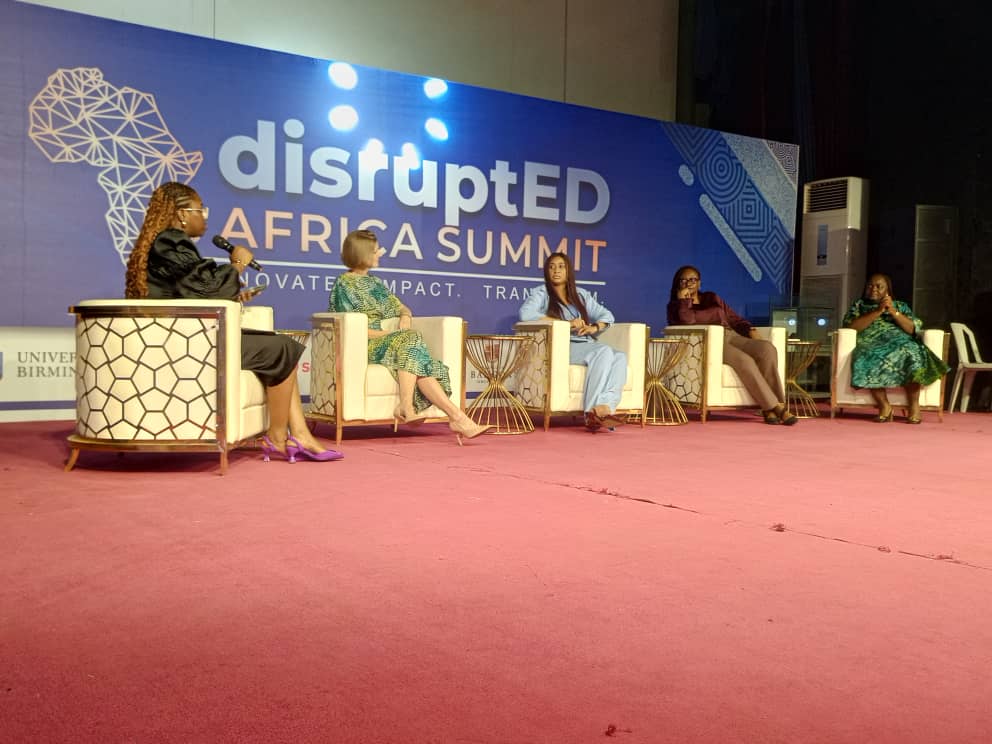
The call was made at the disrupTED EduKate Africa Summit 2026, a one-day thought-leadership forum that brought together education leaders, private sector players and development advocates to push for adaptive learning, practical skills acquisition and innovative financing for Africa’s education sector.
Speaking at the summit, experts stressed that Nigeria’s education system particularly at the tertiary level must urgently shift from certificate-driven learning to skills-based and experiential education aligned with global realities.
Among the speakers were Deby Okoh, Regional Manager at Brunel University of London; Ashley Immanuel, Chief Operating Officer of Semicolon; Olapeju Ibekwe, Chief Executive Officer of Sterling One Foundation; and education advocate Adetomi Soyinka. Each speaker emphasised the need for continuous learning, teacher retraining and curriculum reform that reflects the demands of a technology-driven world.
They argued that apprenticeship, internships and hands-on learning should be fully embedded within academic programmes, noting that Nigeria’s over-reliance on paper qualifications has widened the gap between education and employability.
In his remarks, Mr. Tosin Adebisi, Director of EduKate Africa and convener of the summit, said the event was conceived to confront what he described as the education sector’s “rigid attachment to outdated practices.”

CEO OF EDUKATE AFRICA
“We must keep innovating and thinking differently,” Adebisi said. “At the core of what we do is re-imagining education how we teach, how we learn, and how we solve problems such as access, financing, skills gaps and employability.”
Adebisi, alongside co-Director Mr. Francis Omorojie, expressed confidence that sustainable solutions were achievable through collaboration across sectors.
“The talent is here,” he added. “Our goal is to connect people doing amazing work across different fields and close the gap. Young people must begin to ask themselves how globally relevant they are and how prepared they are for the future not just where they are located.”
The summit also encouraged parents and educators to foster a culture of lifelong learning, critical thinking and adaptability among young people, stressing that education must evolve as fast as the global economy.
Over 200 students from the University of Lagos, Lagos State University, Ojo, and other institutions participated in the summit, which was initially expected to host Nigeria’s Minister of Education, Dr. Tunji Alausa.
Organisers described the 2026 edition as a catalyst for broader conversations on retooling Africa’s education system to meet both local and global demands.
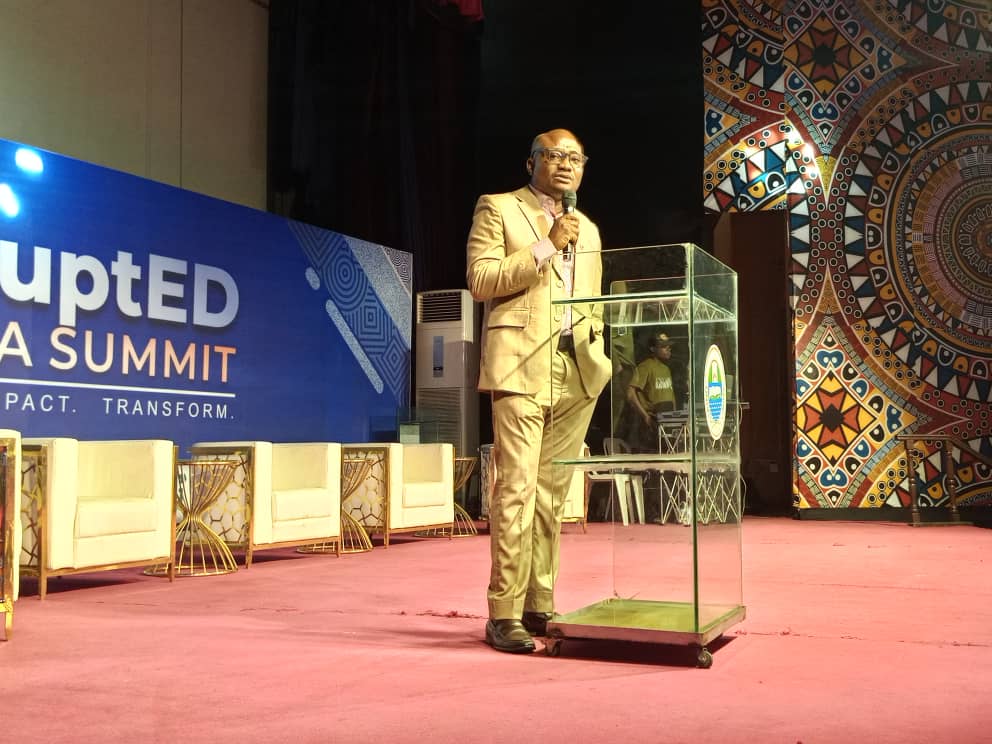
The summit opened with a welcome address by Professor Olufemi Oloyede , a lecturer at the University of Lagos , who emphasized the importance of shaping young minds with positive ideas and innovative thinking. He called for a renewed perspective on Africa as a continent rich in both human and natural resources, noting that the full realization of its’ potential lies in the strategic use of ideas, technology and a paradigm shift among youths toward creativity and innovation. According to him, such transformation holds the key to driving economic, social, and educational growth.
About the Author