 Odita Sunday

How Defence Media Tours Are Reshaping Journalists’ Perceptions, Deepening Appreciation of Military’s Anti-Terror Efforts

By Odita Sunday
In recent years, Defence Media Tours have become a crucial interface between military institutions and the press, particularly in countries grappling with complex security challenges. These tours bring journalists directly into the theatre of operations, allowing them to witness, firsthand, the dynamics of military engagements such as anti-terror campaigns. Far from being mere public relations excursions, they are reshaping how journalists view the armed forces’ efforts, helping deepen understanding, and fostering more nuanced reporting on security and defence issues.
For many journalists based far from conflict zones, reporting on terrorism and military responses has traditionally been reliant on secondhand information, official statements, press releases, and occasional briefings. While these are valuable, they offer limited depth.
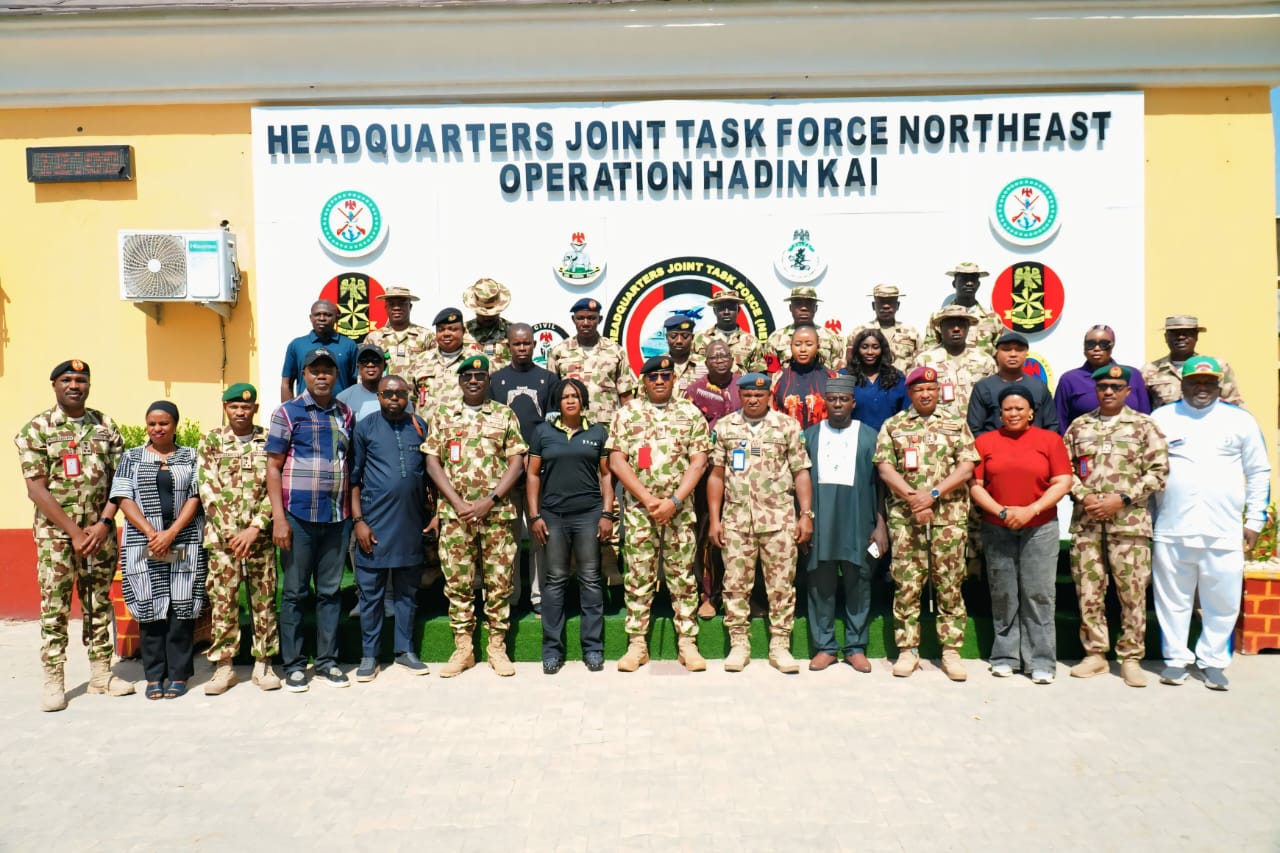
Defence Media Tours change this. They bring journalists into the field, military operations headquarters, logistics hubs, forward operating bases, and even affected communities. This firsthand experience moves reporting from the realm of abstract statistics and rhetoric into lived reality. Journalists witness the daily risks, operational constraints, and human cost that soldiers face. This exposure breaks down stereotypes of the military as opaque or distant institutions and replaces them with grounded insights based on direct observation.
One of the most powerful outcomes of these tours is the humanisation of security narratives. When reporters see soldiers interacting with civilians, providing humanitarian support, or grieving fallen colleagues, the narrative shifts from sterile accounts of raids and battles to stories about people, their courage, frustrations, and sacrifices.
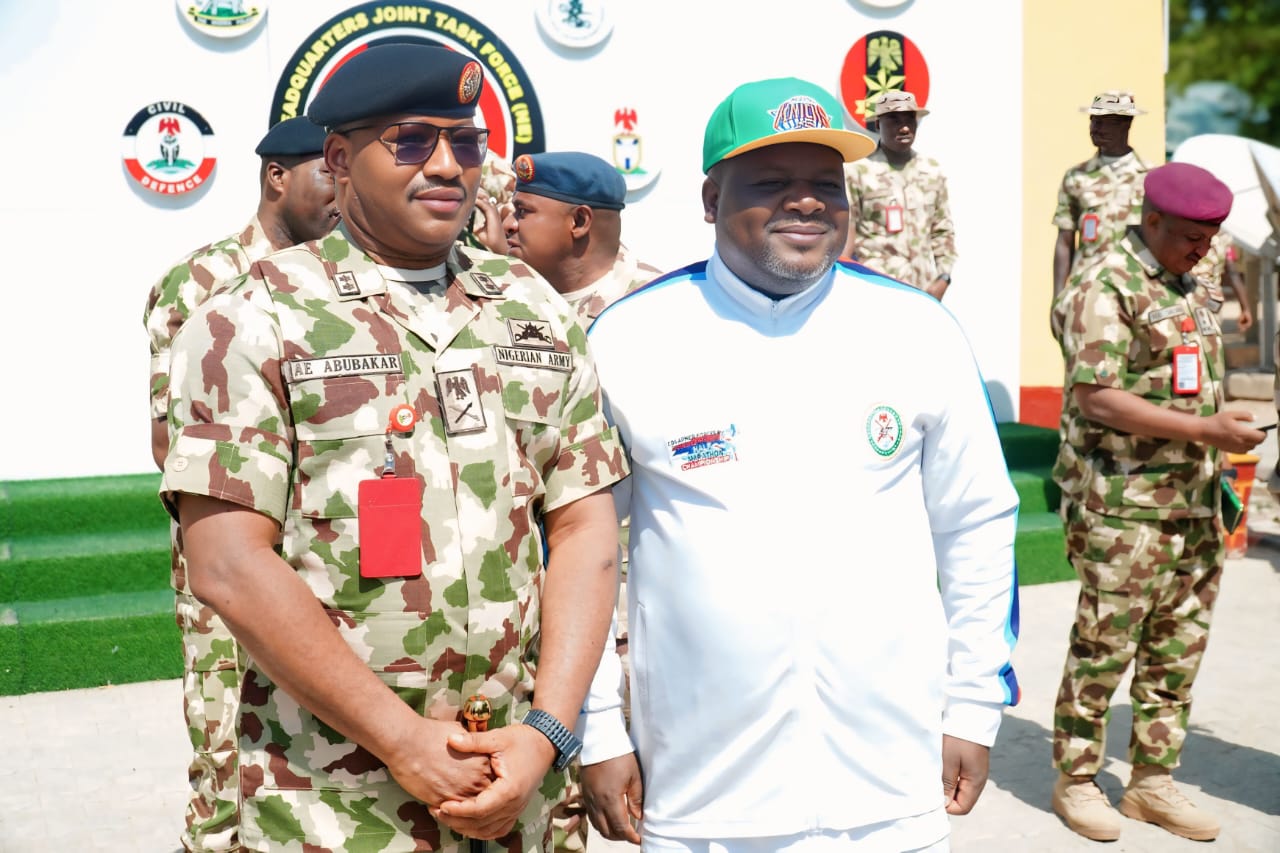
For instance, a correspondent who meets a unit tasked with securing a village beset by insurgents gains empathy for the complex interplay between security and community trust. Rather than relying solely on briefings, such a journalist can recount powerful anecdotes that capture both the strategic significance and the emotional weight of operations.
These human stories resonate more deeply with audiences and can lead to more balanced news coverage, one that appreciates the commitment of servicemen and women without glossing over challenges such as resource gaps or logistical strain.

Military operations are inherently technical: logistics, rules of engagement, intelligence sharing, and joint coordination among services. Many journalists, especially those without defence or security backgrounds, can find these frameworks difficult to decode. Defence Media Tours often include detailed briefings by military strategists, subject matter experts, and operational commanders.
This briefing aspect is invaluable. Journalists gain context on:
”Strategic objectives behind specific operations
”Constraints imposed by international law and rules of engagement
”Coordination mechanisms between different military and civilian agencies
”Resource limitations that impact operational tempo

With this understanding, journalists can move beyond simplistic reporting, for instance, merely depicting an operation as a success or failure, toward analytical pieces that explain why certain strategies are adopted, what risks they mitigate, and what outcomes are realistically achievable.
In security reporting, misinformation and speculation are persistent challenges. When official sources are distant or inaccessible, rumours and unverified claims can fill the vacuum. Defence Media Tours play a critical role in countering this by equipping journalists with verifiable facts, data, and explanations directly from operational command.
A reporter who has walked through an intelligence fusion centre, observed equipment being deployed, and discussed procedures with commanders is far better positioned to distinguish between substantiated facts and unconfirmed claims circulating on social media or unofficial channels.
This frontline clarity is especially important in contexts where extremist groups exploit media gaps to manipulate public narratives. By strengthening journalists’ factual base, Defence Media Tours bolster the media’s ability to report responsibly, reducing the spread of sensationalised or misleading content.
Historically, relations between the press and the armed forces have sometimes been tense, driven by mistrust, miscommunication, or a lack of understanding of each other’s roles and constraints. Defence Media Tours help bridge this divide.
When newsmen engage with soldiers, commanders, and defence officials in structured yet open environments, they form professional relationships grounded in mutual respect. The military gains insight into how journalists work, what information they need, what constraints they face, and how editorial decisions are made. Journalists, in turn, appreciate the challenges the military confronts in sharing sensitive details while safeguarding operational security.
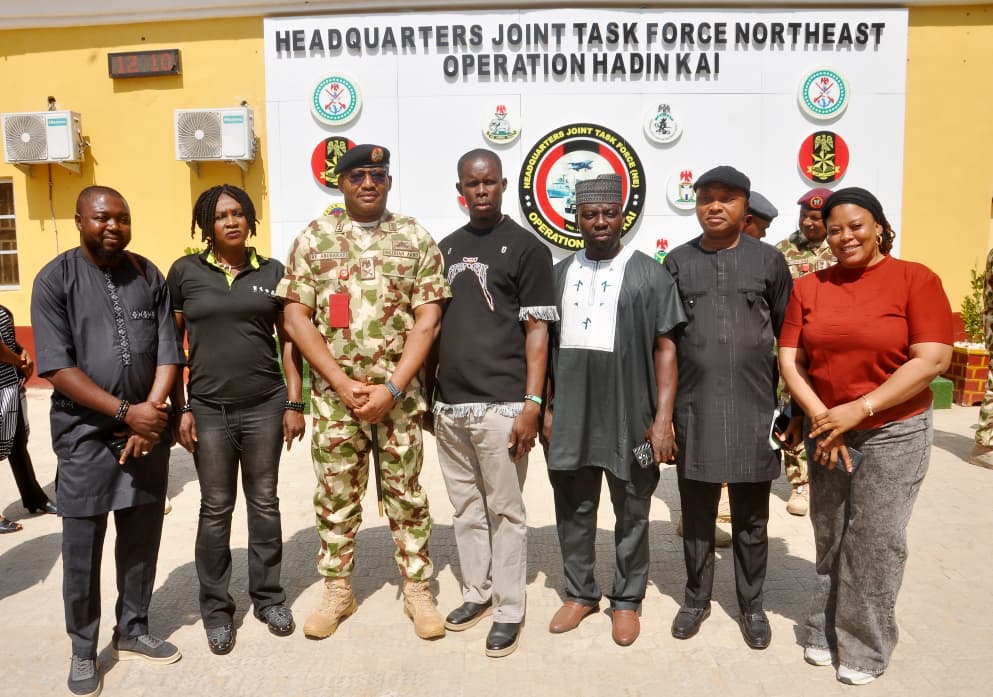
This trust is crucial. A journalist who respects the military perspective is more likely to seek clarification rather than speculate when confronted with ambiguous developments. Likewise, military public information officers come to understand how to better present information in ways that support accurate reporting without compromising critical security concerns.
The exposure offered by Defence Media Tours encourages journalists to go beyond short news briefs. Many reporters return from these tours with the inspiration and material necessary for in-depth features, investigative pieces, and contextual analyses that explore:
’The evolution of insurgent tactics
”The socio-economic impact of military operations on communities
”Policy debates on defence strategy
”The psychological well-being of returning soldiers

Such long-form journalism enriches public discourse on national security. Audiences gain insights not just into what is happening, but why it matters and what broader implications it holds for national unity, governance, and peace-building.
Militaries engaged in counter-terrorism are not only combat entities; they often play essential roles in humanitarian assistance, civic action programmes, and community reconstruction. Defence Media Tours expose journalists to these dimensions, medical outreach, rehabilitation of liberated communities, and infrastructure support.
When reporters document these initiatives, the narrative of the military expands beyond conflict to include peace-enabling roles. This helps audiences appreciate the multifaceted contributions of the armed forces and fosters a deeper understanding of security as a blend of force and service.
While Defence Media Tours are impactful, they are not without critique. Some observers worry about the potential for staged events or overly controlled narratives that serve institutional messaging more than objective reporting.
However, responsible tours address these concerns by ensuring:
”Transparency: Journalists have access to diverse operational sites and not just curated locations.
”Independent engagement: Media are given opportunities to speak with lower-ranking personnel, analysts, and local stakeholders.
”Balanced briefings: Military hosts acknowledge constraints, setbacks, and lessons learned rather than offering only success stories.
By designing tours that prioritise authenticity over spectacle, militaries demonstrate respect for journalistic integrity and avoid accusations of propaganda.
Ultimately, Defence Media Tours enhance the media’s capacity to educate the public on complex security matters. Audiences benefit from reporting that is better informed, more context-rich, and rooted in observation rather than speculation.
For societies navigating terrorist threats and violent extremism, this informed media plays an essential role, shaping public understanding, influencing policy debates, and nurturing a sober recognition of the sacrifices and strategies needed to secure peace.
Defence Media Tours are not just PR exercises, they are transformative platforms that expand journalists’ perspectives, sharpen their analytical skills, and deepen public appreciation of the military’s anti-terror commitments. As such programmes continue to evolve, they hold significant promise in strengthening the interplay between credible journalism and effective security communication.
About the Author